1015–1016
Cnut and Edmund Ironside
In September 1015 Cnut comes to Sandwich with an army of perhaps 10,000 men in 200 ships, sails round Kent to the mouth of the Frome and harries Dorset, Wiltshire and Somerset. Eadric Streona, ealdorman of Mercia, goes over to him with 40 ships, and Wessex submits. Æthelred’s son Edmund raises armies in the north, but his ally Uhtred of Northumbria submits to Cnut and is killed.
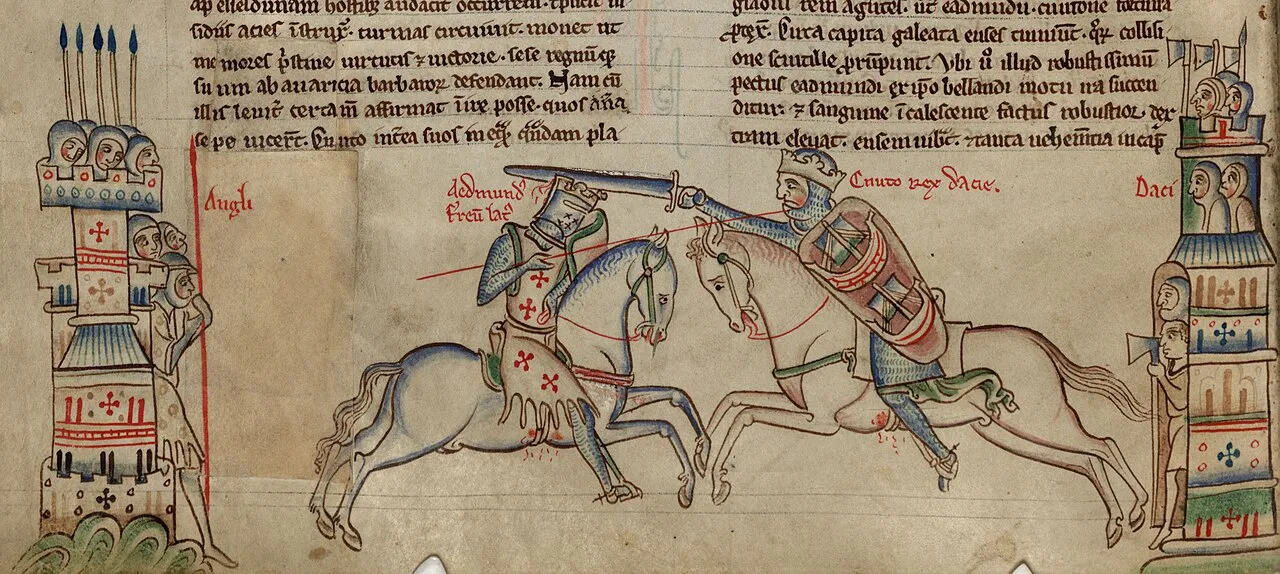 Edmund Ironside (left) and Cnut fighting, in Matthew Paris’s Chronica Majora, 13th centuryWikimedia Commons, Matthew Paris, Public domain (EdmundIronside Canutethe Dane1.jpg)
Æthelred dies on 23 April 1016. The Londoners choose Edmund as king, while a larger assembly at Southampton chooses Cnut. Cnut besieges London from May, and Edmund, called Ironside, fights him at Penselwood and at Sherston in late June, relieves London, defeats the Danes at Brentford and routs them at Otford. At Aylesford Edmund takes Eadric back into his service.
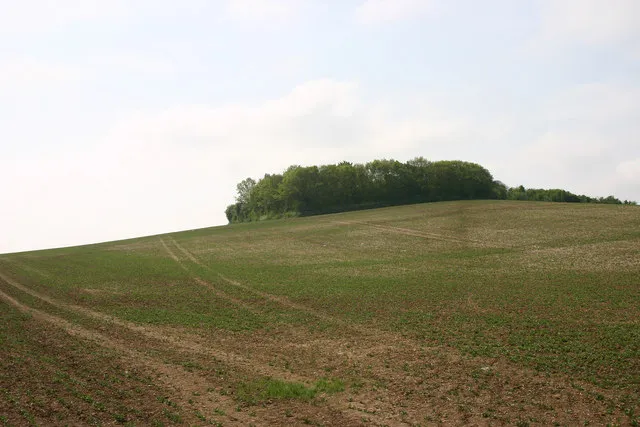 The hilltop at Ashingdon in south-east Essex, long taken to be Assandun, with St Andrew’s church beyond the treesWikimedia Commons, David Kemp, CC BY-SA 2.0 (Ashingdon Hilltop.jpg)
On 18 October Edmund overtakes Cnut’s army in Essex as it returns from a raid into Mercia, at a place called Assandun. Edmund draws up his men in three lines and charges downhill, but Eadric leaves the field with his men and the Danes win. The fighting lasts from after noon until near midnight, and Ulfcytel and Bishop Eadnoth of Dorchester are among the English dead. Assandun is usually taken to be Ashingdon near Rochford, though Ashdon near Saffron Walden has also been proposed.
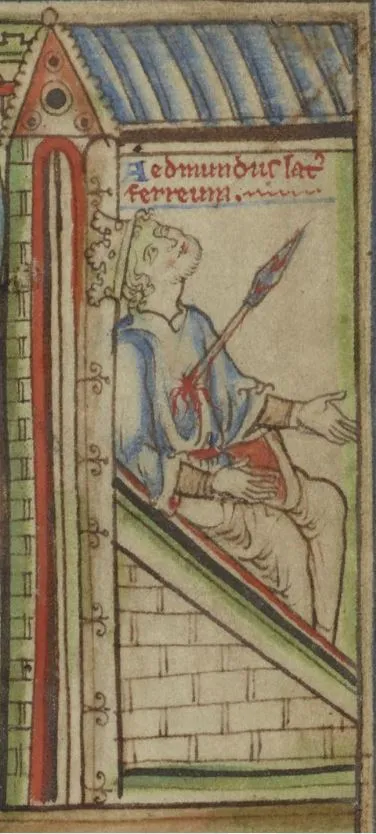 The death of Edmund Ironside, drawn by Matthew Paris in the later 1230s or early 1240sWikimedia Commons, Matthew Paris, Public domain (The Death of Edmund Ironside in the Cambridge University Library.jpg)
Edmund withdraws to Gloucestershire, and the two kings meet on Alney, an island in the Severn near Deerhurst. They swear friendship, Edmund keeps Wessex and Cnut takes Mercia and the north. Edmund dies on 30 November 1016, and Cnut becomes king of all England.
Sources
- Anglo-Saxon Chronicle, version C, 1015 and 1016.
- Alistair Campbell (ed.), Encomium Emmae Reginae (1949).
- M. K. Lawson, Cnut: England’s Viking King (2nd ed. 2004).
Prev: Sweyn Forkbeard takes EnglandNext: Cnut’s North Sea empire