225 BC
The Gallic invasion of 225 BC
In 232 BC Rome divides former Gallic land in Picenum among its poorer citizens, which alarms the Boii and Insubres of the Po valley. In 225 BC these two peoples hire Gaesatae, warriors from beyond the Alps, under the kings Concolitanus and Aneroëstes. Polybius writes that Rome’s fear of this war led it to make the Ebro Treaty with Hasdrubal.
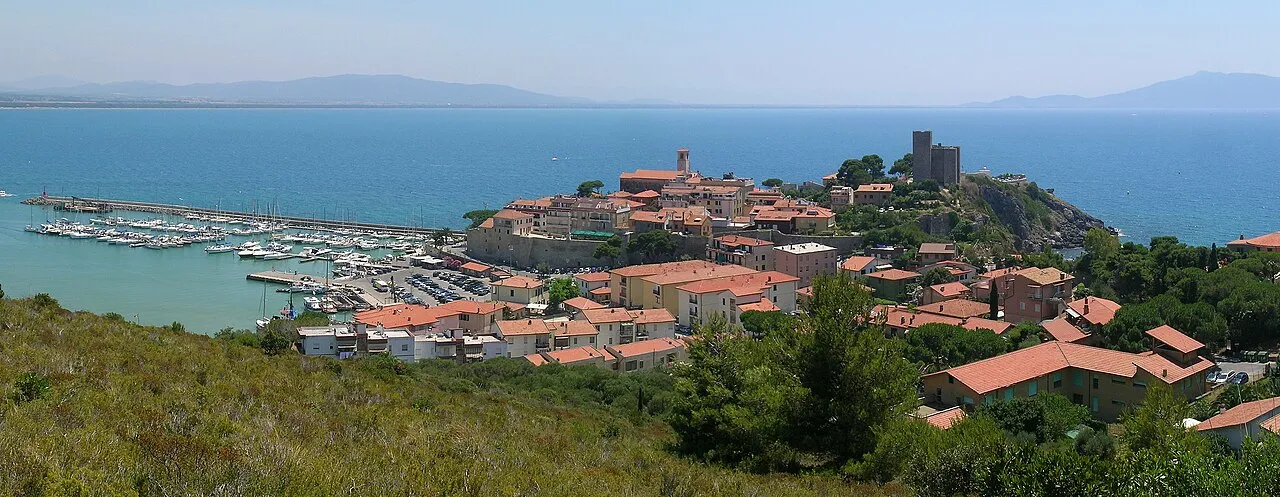 Talamone on the coast of Tuscany, the ancient Telamon, near the site of the battleWikimedia Commons, Alessio Damato, CC BY-SA 3.0 (Talamone panorama top.jpg)
Rome calls up its Italian allies. The consul Lucius Aemilius Papus stands at Ariminum with four legions and 32,000 allies, and a force of Sabines and Etruscans guards the border of Etruria. The other consul, Gaius Atilius Regulus, is in Sardinia with an army of the same size.
The Gauls cross the Apennines into Etruria and march towards Rome. Near Clusium they slip away at night to Faesulae and defeat the Roman army that follows them, killing 6,000. When Papus arrives they turn back along the coast with their plunder, and he follows without risking a battle. Regulus lands at Pisae and marches south, and near Telamon his scouts meet the Gallic vanguard head on.
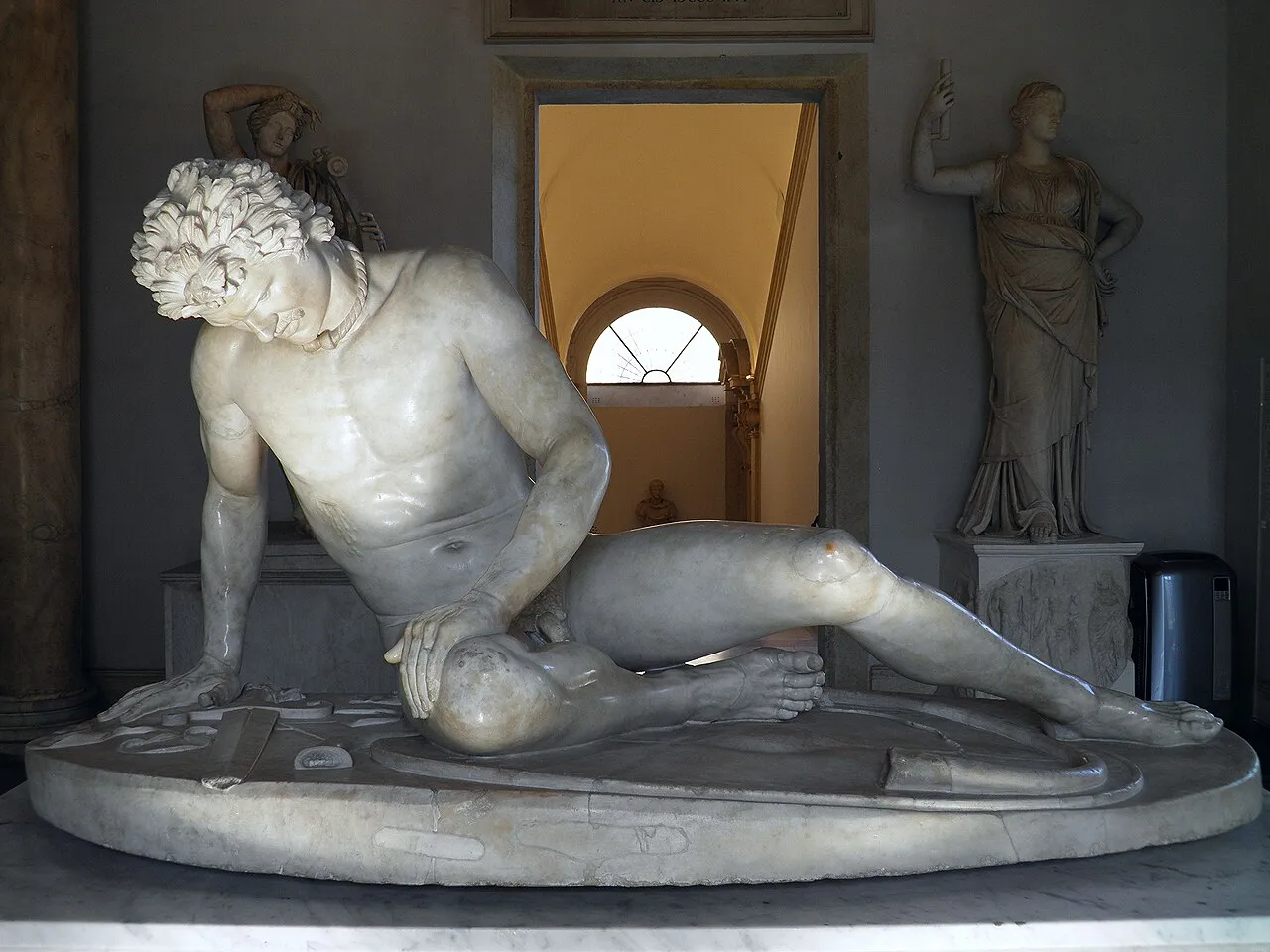 The Dying Gaul, a Roman marble copy of a Greek bronze of the 3rd century BC, Capitoline MuseumsWikimedia Commons, Carole Raddato, CC BY-SA 2.0 (The Dying Gaul, second-century AD Roman copy of a third-century BC Hellenistic bronze, Capitoline Museums (11340775816).jpg)
Sources
- Polybius, Histories, book 2, 22 to 31.
- Adrian Goldsworthy, The Fall of Carthage (2006).
Prev: The Barcids in IberiaNext: The fight for the hill