256 – 255 BC
Regulus in Africa
After their victory off Cape Ecnomus in 256 BC the Romans land near Aspis on the Cape Bon peninsula, take the town after a short siege and plunder the countryside. They capture 20,000 slaves and large herds of cattle. The Senate then orders most of the fleet and army back to Sicily for the winter, and Marcus Atilius Regulus stays in Africa with 40 ships, 15,000 infantry and 500 cavalry.
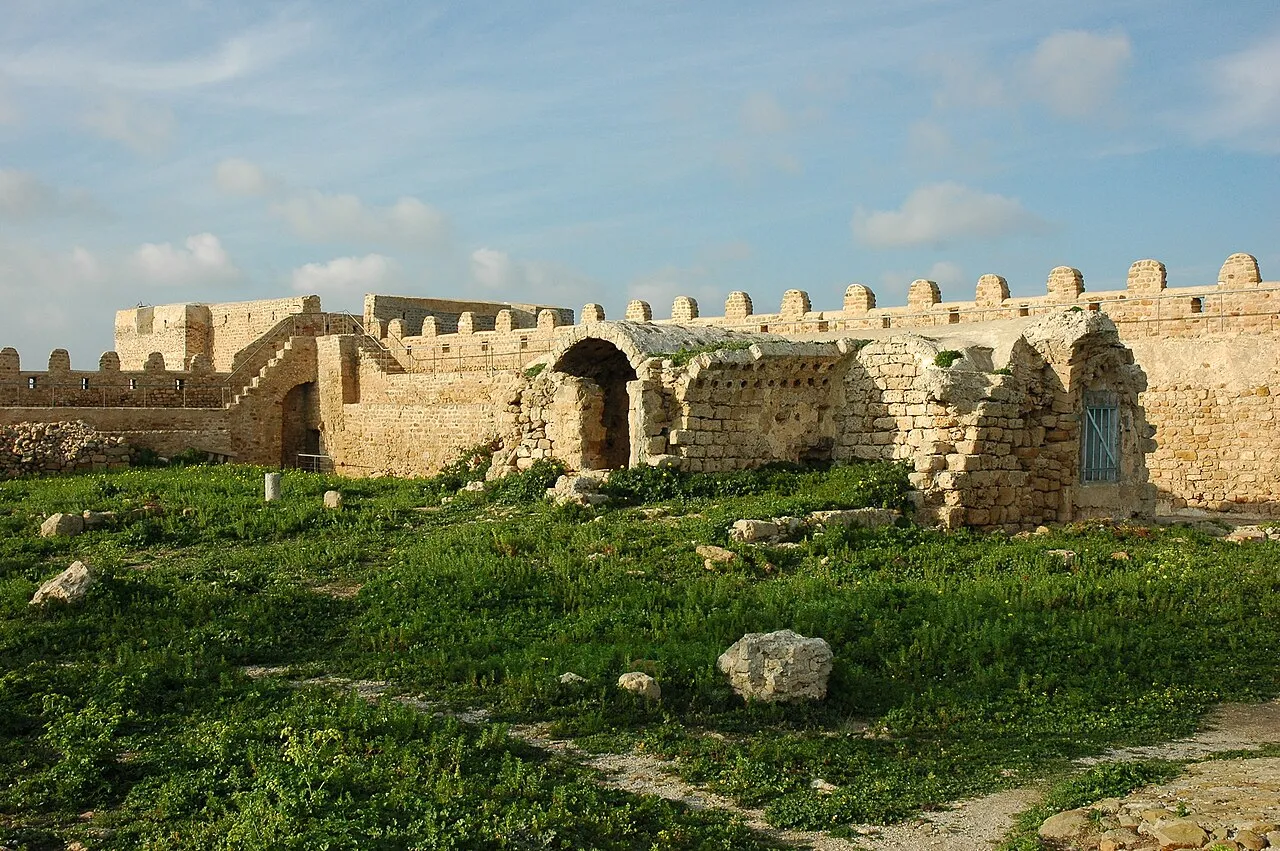 The fort of Kelibia on the Cape Bon peninsula, on the site of ancient AspisWikimedia Commons, Calips, CC BY 3.0 (KELIBIA Fort 02.JPG)
Regulus marches inland and besieges Adys. A Carthaginian army strong in cavalry and elephants camps on a hill nearby, where neither can be used. The Romans march by night, attack the camp at dawn from two directions and drive the Carthaginians off, though their cavalry and elephants escape. Regulus then takes Tunis, 16 km from Carthage, and many of Carthage’s African subjects revolt.
Carthage, crowded with refugees and short of food, opens talks. Regulus demands Sicily, Sardinia and Corsica, the costs of the war and a yearly tribute, and would leave Carthage only one warship. Carthage decides to fight on. A Spartan mercenary officer, Xanthippus, persuades the Carthaginians that their cavalry and elephants must fight on open, level ground. He trains the army over the winter and is given the command in the spring.
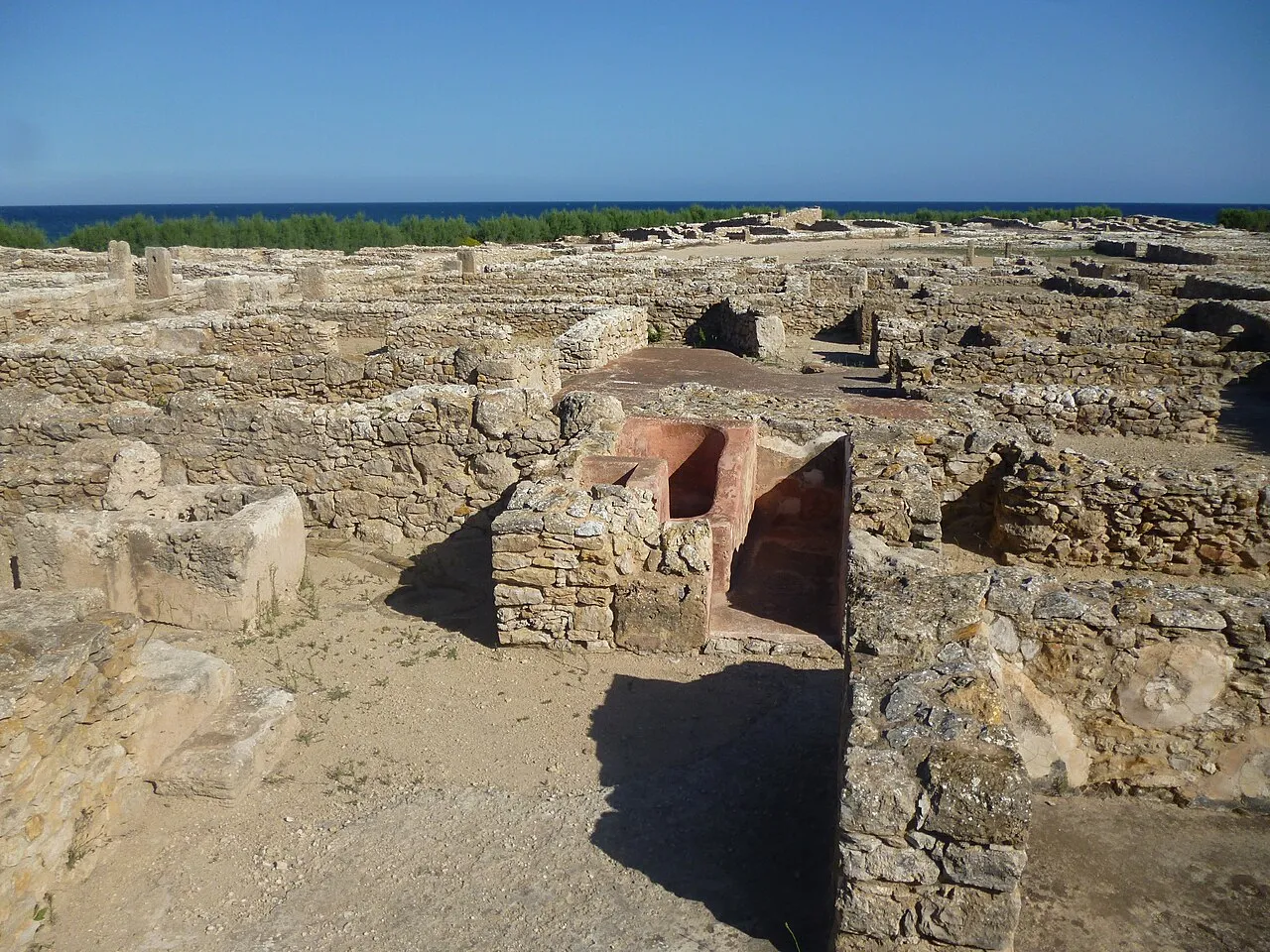 The Punic town of Kerkouane on Cape Bon, abandoned in the 3rd century BCWikimedia Commons, Christian Manhart, CC BY-SA 3.0 IGO (Punic Town of Kerkuane and its Necropolis-130314.jpg)
Sources
- Polybius, Histories, book 1, 29 to 33.
- John Lazenby, The First Punic War (1996).
- Adrian Goldsworthy, The Fall of Carthage (2006).
Prev: The Roman centre returnsNext: The armies deploy