260 BC
The Roman fleet
The Carthaginian fleet controls the sea around Sicily and supplies the coastal towns. In 260 BC Rome builds its first large war fleet, 100 quinqueremes and 20 triremes, copying a stranded Carthaginian quinquereme. The Roman ships are heavier and slower than their model.
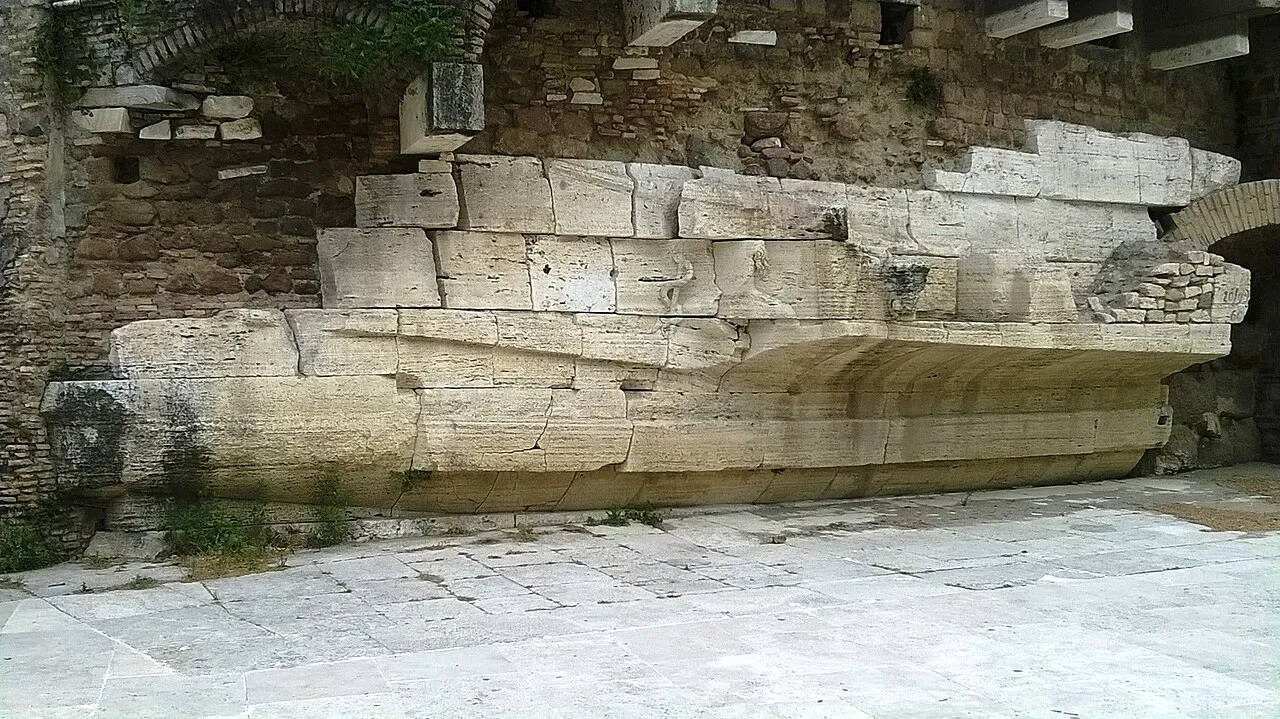 The stone prow of a Roman warship on the Tiber Island in Rome, by its size a five or a sixWikimedia Commons, Artreve, CC BY-SA 4.0 (Roman ship on Isola Tiberina.jpg)
The consul Gnaeus Cornelius Scipio sails ahead with the first 17 ships to Lipara, where a Carthaginian squadron traps him in the harbour and he is taken prisoner. The Romans then fit their ships with the corvus, a boarding bridge 11 metres long with a heavy spike at its end that holds an enemy ship fast.
The other consul, Gaius Duilius, leaves the army to his tribunes, takes command of the fleet and goes looking for battle. Hannibal Gisco, commander of the Carthaginian fleet at Panormus, comes out to meet him with 130 ships off Mylae on the north coast of Sicily.
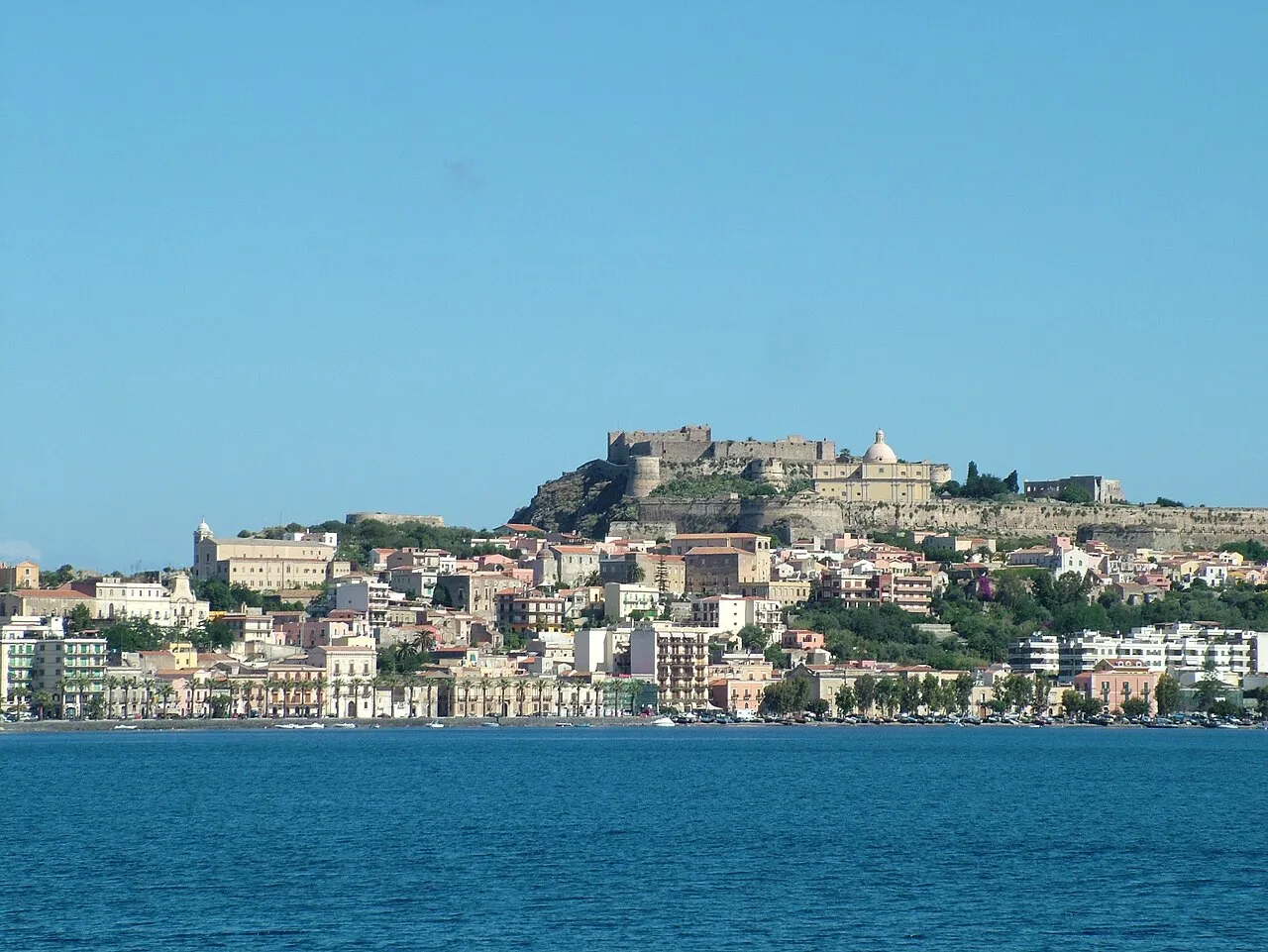 Milazzo, ancient Mylae, on its peninsula on the north coast of SicilyWikimedia Commons, Clemensfranz, CC BY 2.5 (Milazzo Stadtansicht.jpg)
Sources
- Polybius, Histories, book 1, 20 to 23.
- John Lazenby, The First Punic War (1996).
- Adrian Goldsworthy, The Fall of Carthage (2006).
Prev: The battle and the fall of the cityNext: The corvus