201 – 150 BC
Masinissa and Cato
The treaty of 201 BC leaves Carthage its African land but forbids it to make war without Rome’s permission. Masinissa, Rome’s ally, unites the Numidians in a kingdom west of Carthage with its capital at Cirta. Over the next fifty years he takes Carthaginian territory piece by piece: by 158 BC the coast of the Emporia as far as Lepcis Magna, and in 152 BC the Great Plains. Each time Carthage appeals to Rome, Rome backs Masinissa.
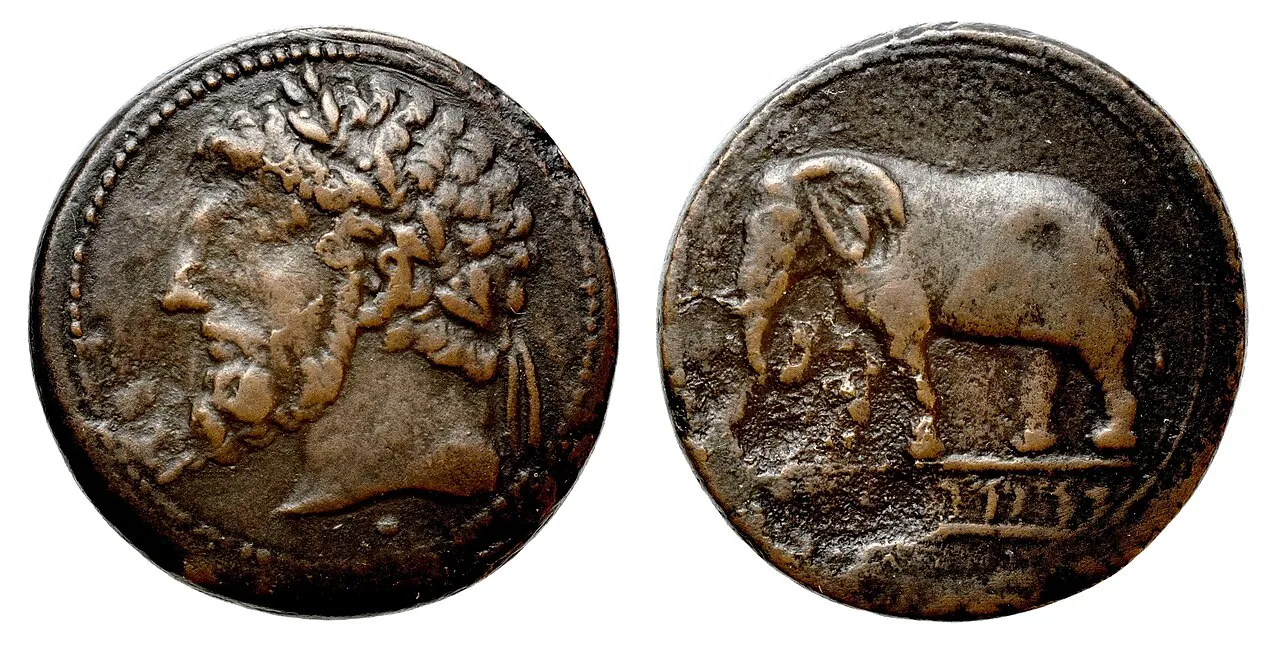 Bronze coin of Masinissa with his portrait and an elephant, Museum of CirtaWikimedia Commons, BnF, CC0 (Massinissa musée de Cirta.jpg)
Carthage prospers on trade and farming and pays the last instalment of its indemnity in 151 BC. A Roman embassy that includes Cato the Elder visits the city in 153 or 152 BC to settle a dispute with Masinissa, and Cato is struck by its wealth. According to Plutarch he then ends every speech in the Senate with the opinion that Carthage should no longer exist. The phrase is known today as "Carthago delenda est", Carthage must be destroyed.
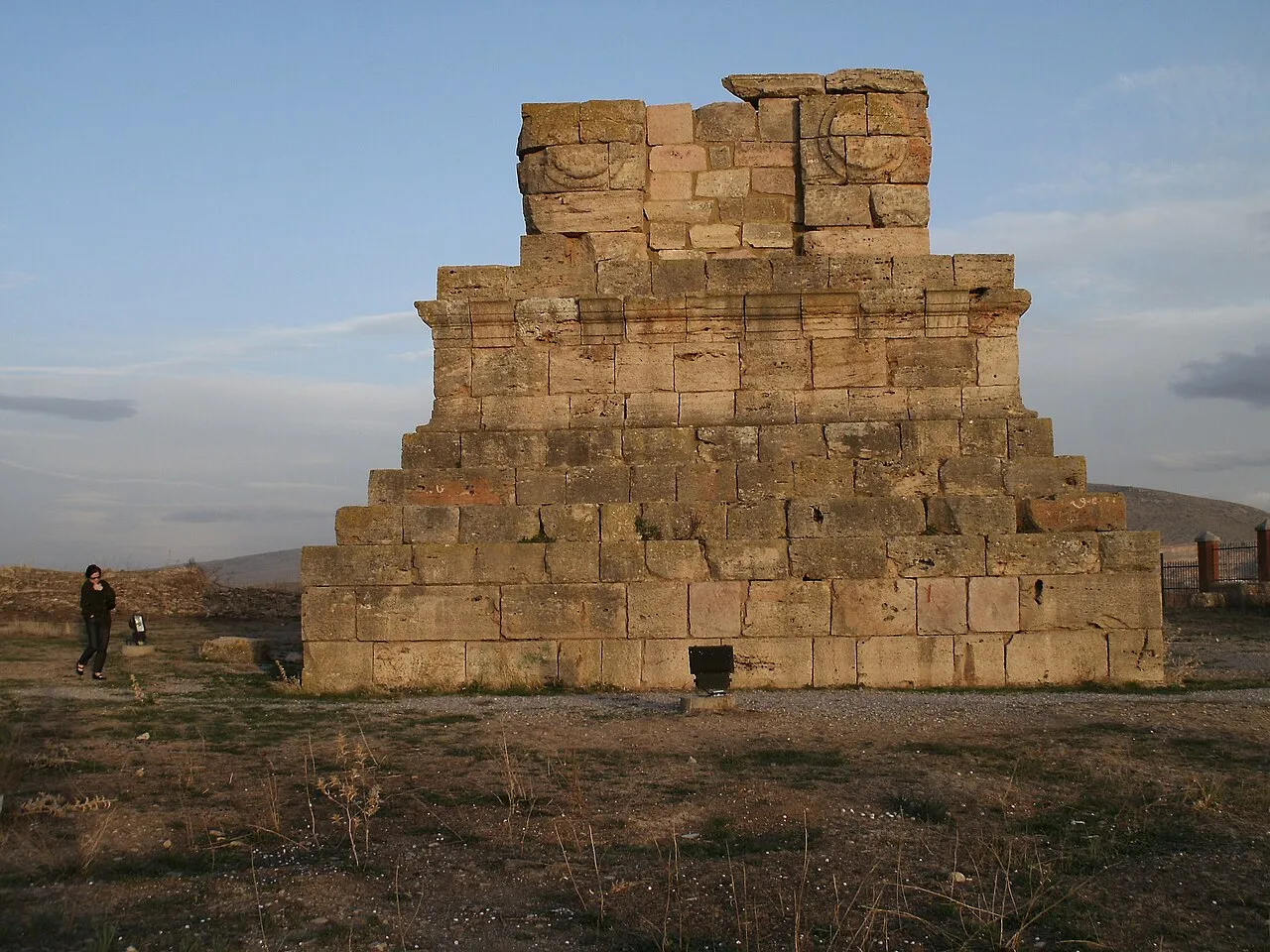 The royal tower tomb at El Khroub near Cirta, often attributed to MasinissaWikimedia Commons, Yelles, CC BY-SA 3.0 (Massinissa el khroub.JPG)
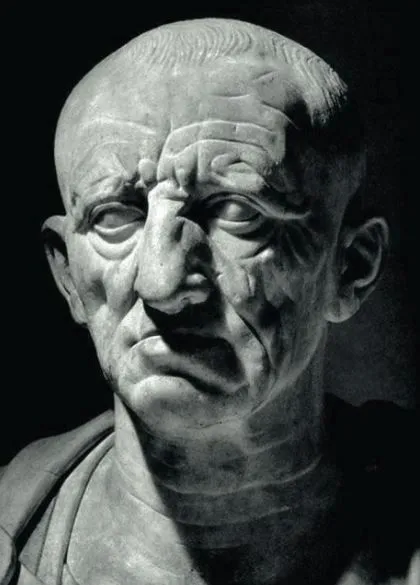 The marble head known as the Patrician Torlonia, often shown as a portrait of Cato the ElderWikimedia Commons, Public domain (Marco Porcio Caton Major.jpg)
In 151 BC Carthage raises an army under a general named Hasdrubal and fights Masinissa without Rome’s consent. The army is defeated at Oroscopa and surrenders, and the Numidians kill many of the prisoners. Rome treats the war as a breach of the treaty and prepares an expedition to Africa.
Sources
- Appian, The Punic Wars.
- Plutarch, Life of Cato the Elder.
- Adrian Goldsworthy, The Fall of Carthage (2006).
Prev: Hannibal in exileNext: Rome lands at Utica