237 – 220 BC
The Barcids in Iberia
In 237 BC Hamilcar Barca takes the army of the Mercenary War to Iberia and probably lands at Gades. Carthage at this time holds only a few towns on the southern coast. Before he leaves, by the account Polybius gives, Hamilcar makes his nine-year-old son Hannibal swear never to be a friend of Rome.
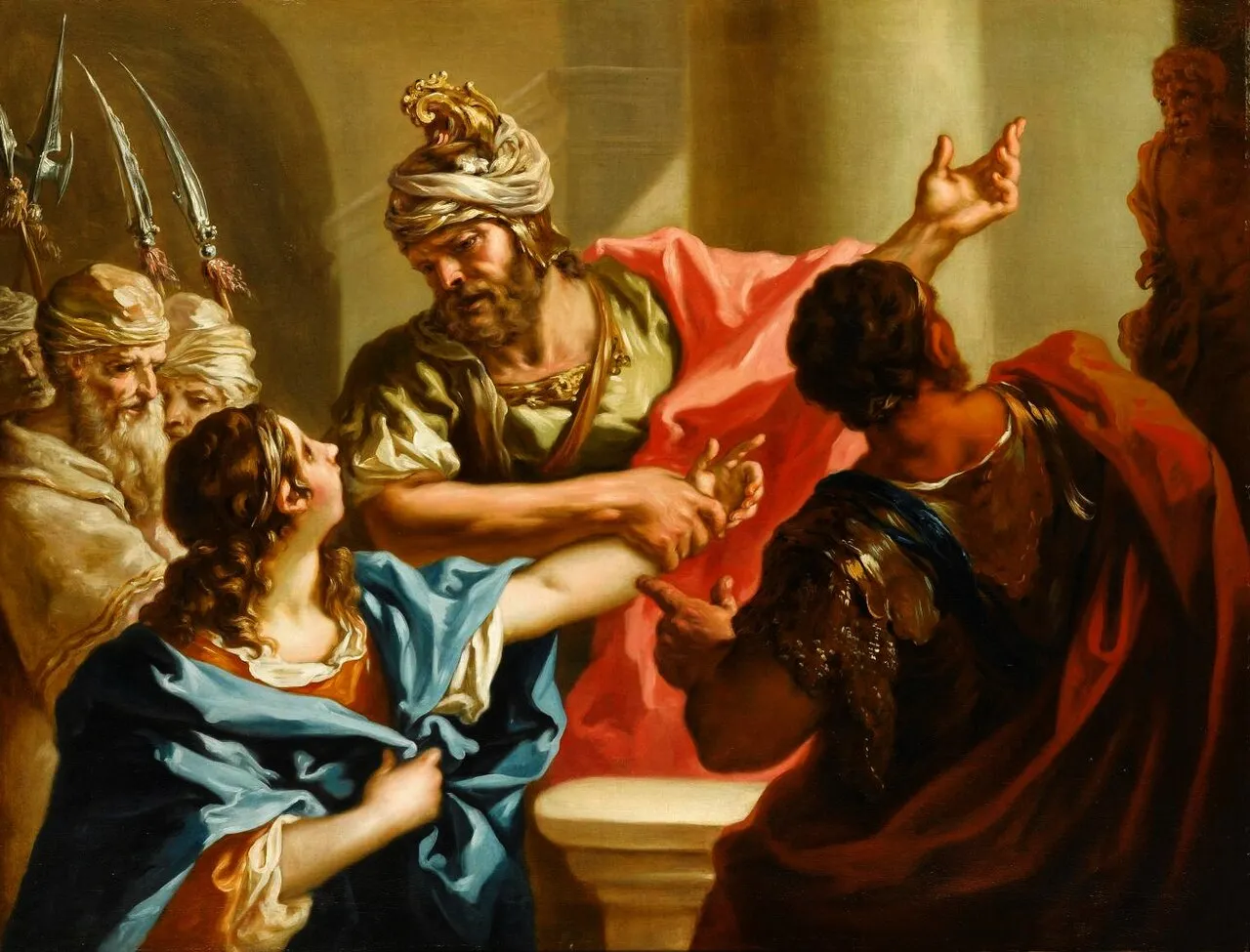 Young Hannibal swears enmity to Rome before his father Hamilcar, painting by Giovanni Antonio Pellegrini, 1731Wikimedia Commons, Giovanni Antonio Pellegrini, Public domain (Young Hannibal Swears Enmity to Rome.jpg)
In eight years of war and diplomacy Hamilcar wins the south and east of the peninsula, with the silver mines of the Sierra Morena, and founds Akra Leuke. He dies fighting an Iberian tribe in 228 BC, and his son-in-law Hasdrubal the Fair takes command. Hasdrubal extends Carthaginian rule mostly by diplomacy and founds Qart Hadasht, New Carthage, as its capital and naval base. In 226 BC a treaty with Rome makes the river Ebro the northern limit of Carthaginian expansion.
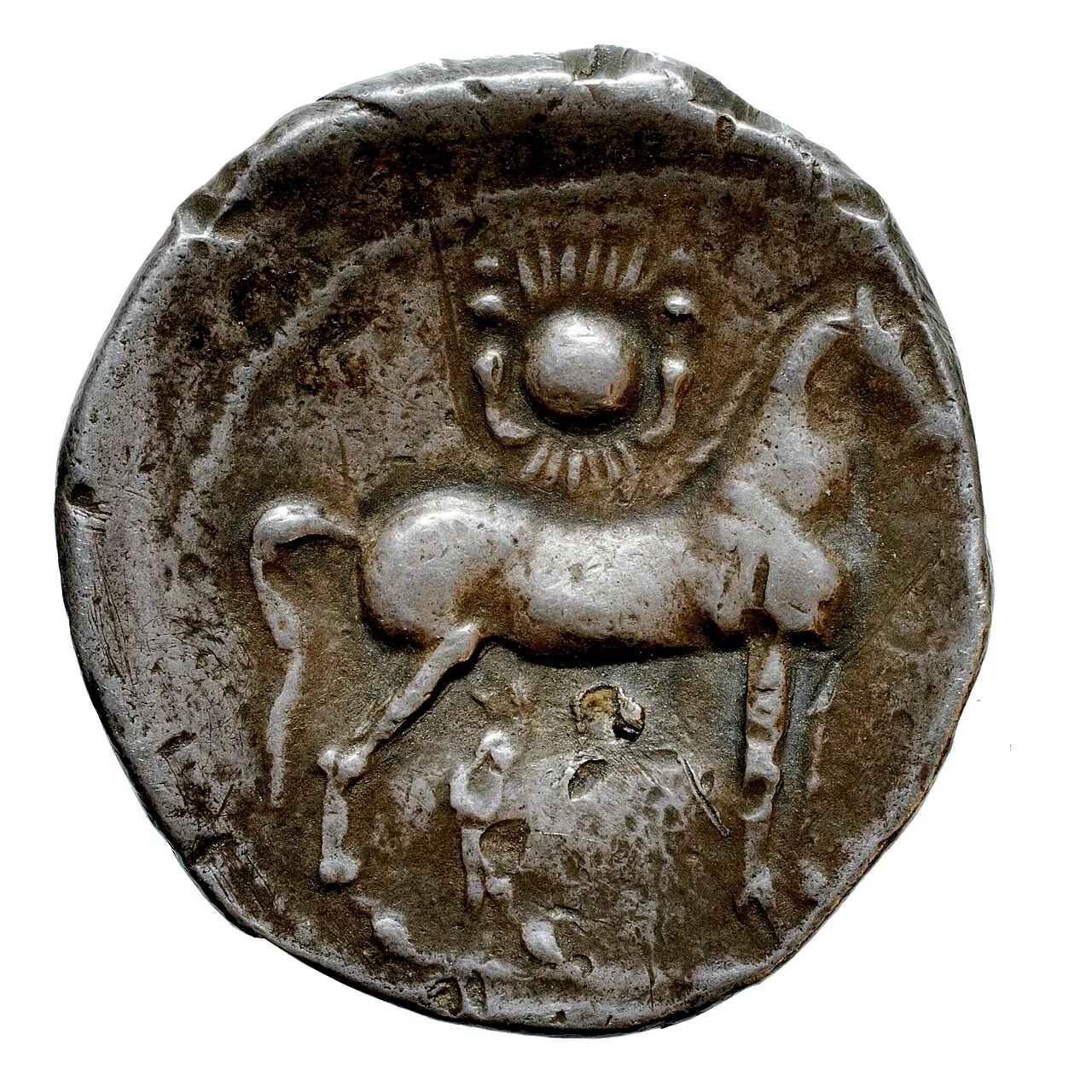 A silver shekel minted by the Barcids in Iberia, 237 – 209 BC, Bibliothèque nationale de FranceWikimedia Commons, Bibliothèque nationale de France, Public domain (Monnaie - Shekel, argent, atelier incertain, Ibérie. - btv1b8483577g (2 of 2).jpg)
In 221 BC Hasdrubal is killed by a slave avenging his Celtic master. The army chooses Hannibal, then 26 years old, as its commander, and Carthage confirms him. In 221 and 220 BC Hannibal campaigns on the Meseta against the Olcades and the Vaccaei, and on the way back defeats a coalition led by the Carpetani at the Tagus. At some date after 226 BC Rome takes the town of Saguntum, south of the Ebro, under its protection.
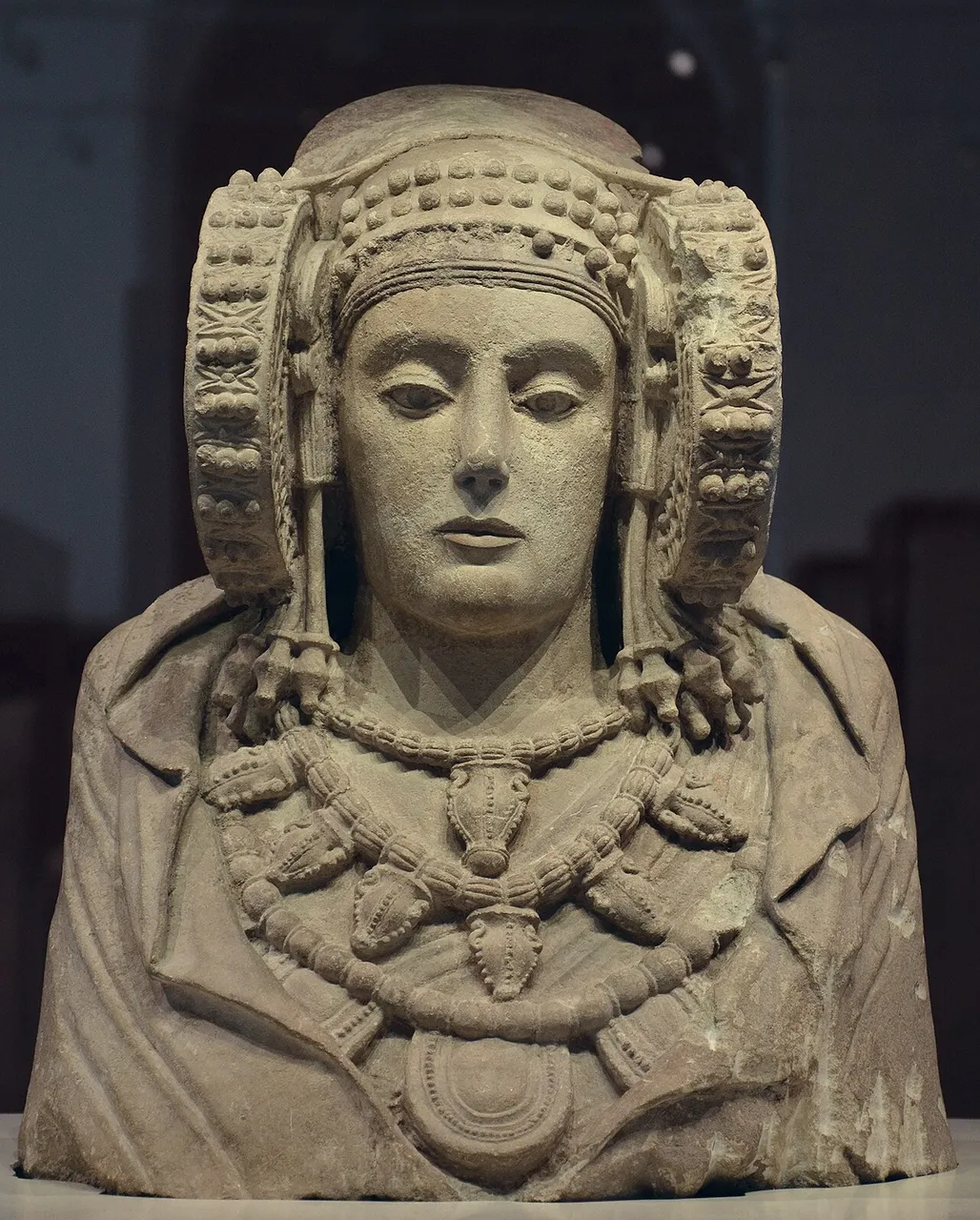 The Lady of Elche, an Iberian stone bust of the 4th century BC found at L’Alcúdia near Elche, National Archaeological Museum of SpainWikimedia Commons, Carole Raddato, CC BY-SA 2.0 (The Lady of Elche, once polychrome stone bust discovered by chance in 1897 at L'Alcúdia, believed to be a piece of Iberian sculpture from the 4th century BC, National Archaeological Museum of Spain, Madrid (20098349590).jpg)
Sources
- Polybius, Histories, books 2 and 3.
- Dexter Hoyos, Hannibal’s Dynasty (2003).
- Richard Miles, Carthage Must Be Destroyed (2010).
Prev: Rome takes Sardinia and CorsicaNext: The Gallic invasion of 225 BC