196 – 183 BC
Hannibal in exile
After the war Hannibal is elected suffete of Carthage, probably in 196 BC. He has the state finances audited, recovers embezzled funds and shows that the indemnity to Rome can be paid without new taxes. He also has the members of the Hundred and Four, the city’s court of judges, elected for one year instead of for life. These reforms make him enemies among the Carthaginian oligarchs.
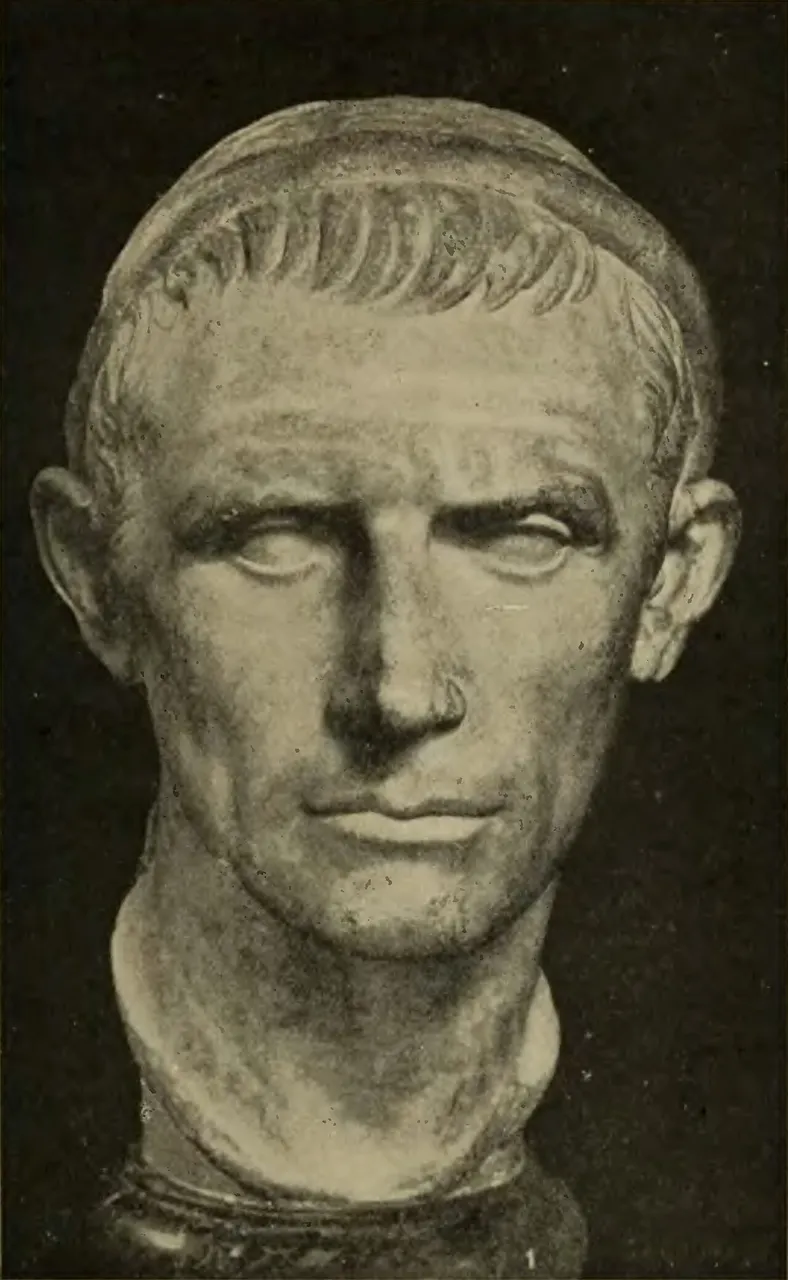 Marble head in the Louvre identified as Antiochus III, king of the Seleucid EmpireWikimedia Commons, photo Bruckmann, CC0 (Greece from the Coming of the Hellenes to AD. 14, page 287, Antiochus III.jpg)
In 195 BC a Roman embassy accuses him of dealings with Antiochus III, king of the Seleucid Empire. Hannibal leaves Carthage before he can be handed over and travels by way of Tyre and Antioch to Antiochus at Ephesus. In the Roman–Seleucid War he commands a Seleucid fleet, which the Rhodians defeat off Side in 190 BC. After the Roman victory at Magnesia, the peace terms require Antiochus to surrender him.
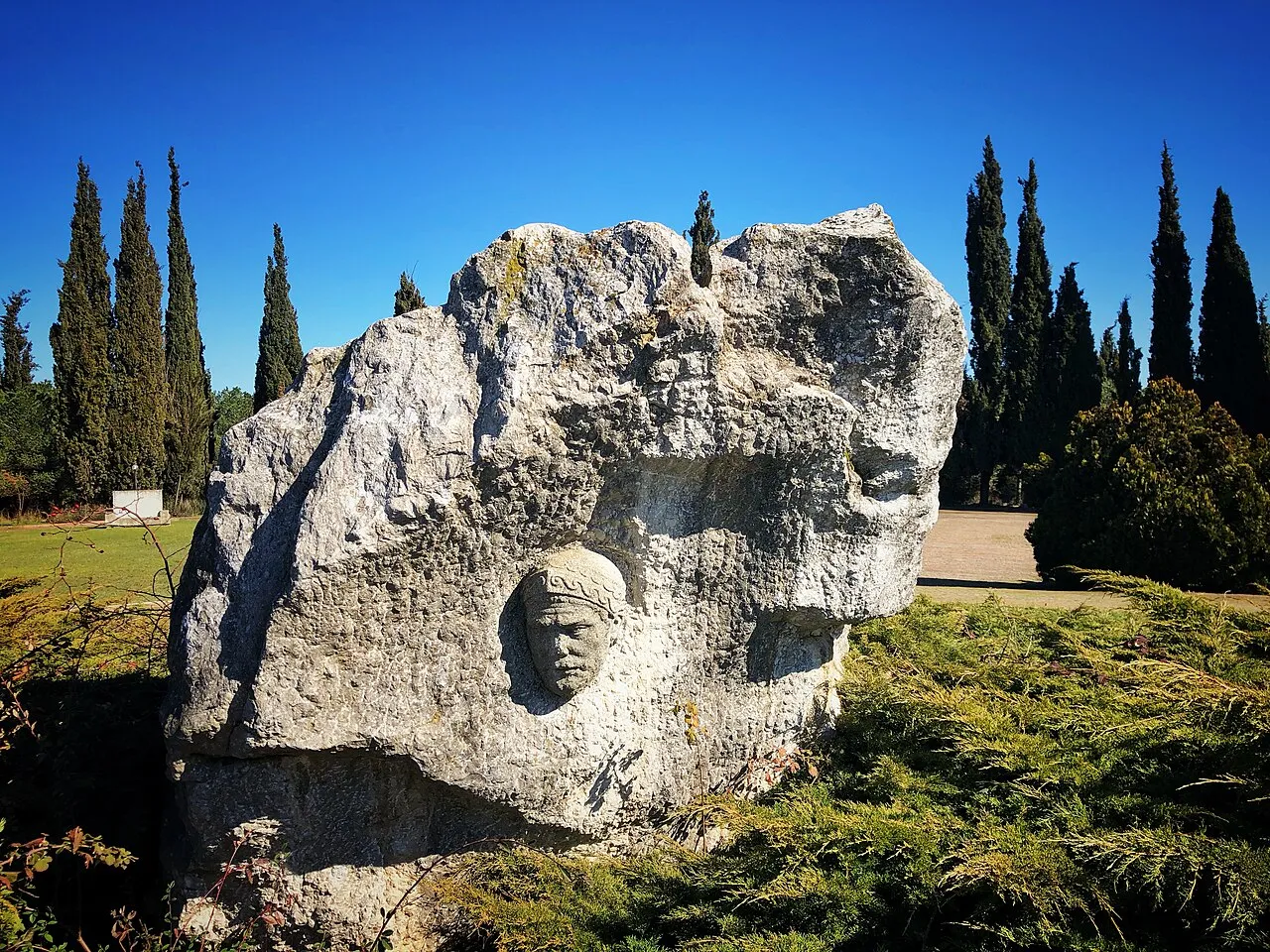 The memorial to Hannibal at Gebze, near the site of ancient LibyssaWikimedia Commons, Yamen, CC BY-SA 4.0 (Hanibal's Tomb Gebze 19022022 01.jpg)
Hannibal escapes to Crete and from there to King Prusias I of Bithynia, whom he serves in a war against Eumenes II of Pergamon. When Rome demands his surrender, he takes poison at Libyssa on the Sea of Marmara, near present-day Gebze, according to Livy and Nepos. The year of his death is given as 183, 182 or 181 BC.
Sources
- Livy, History of Rome, books 33 to 39.
- Dexter Hoyos, Hannibal’s Dynasty (2003).
Prev: The peace of 201 BCNext: Masinissa and Cato