216 – 212 BC
Capua
After Cannae several cities of southern Italy go over to Hannibal. The largest is Capua in Campania, the second city of Italy, which joins him in 216 BC. Its citizens hold a limited Roman citizenship, but the chance to become the leading city of Italy outweighs the old ties.
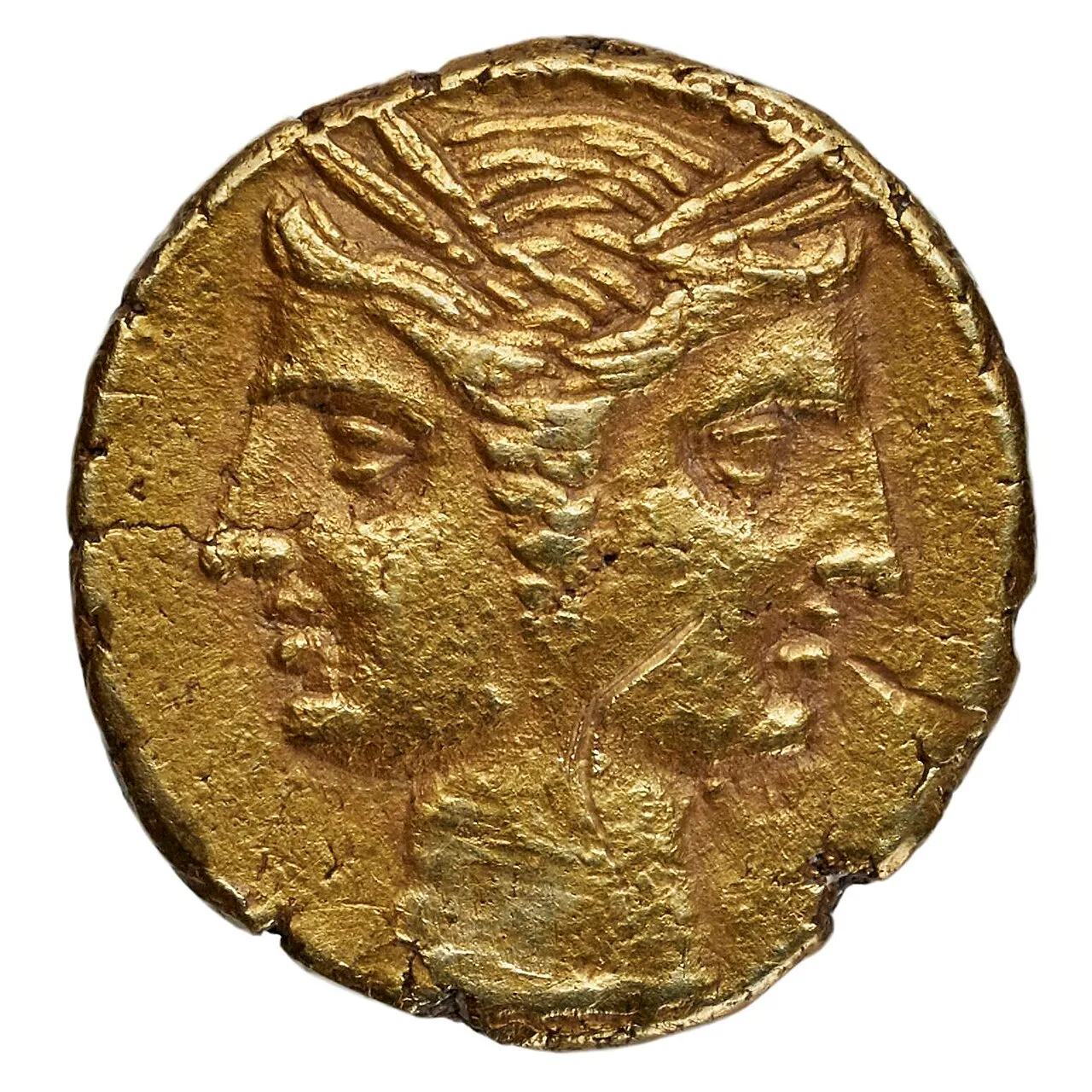 Electrum coin of three eighths of a shekel struck at Capua for Hannibal, with a two-headed head of Janus, 216 to 211 BC, Bibliothèque nationale de FranceWikimedia Commons, Bibliothèque nationale de France, Public domain (Monnaie - 3-8 de shekel, électrum, Capoue, Campanie, Hannibal - btv1b11315254c (1 of 2).jpg)
Hannibal winters at Capua in 215 BC and campaigns from there against Nola and Casilinum. The Romans march on Capua several times, and each time Hannibal’s army returns to defend it. In 212 BC, after losing some 16,000 men at Herdonia, Rome sends both consular armies against the city.
Hannibal comes to its relief and drives both armies off. They withdraw in opposite directions, knowing that he can follow only one. Unable to bring either to battle, he marches away to try to take Brundisium by treachery, and the consuls return to Capua.
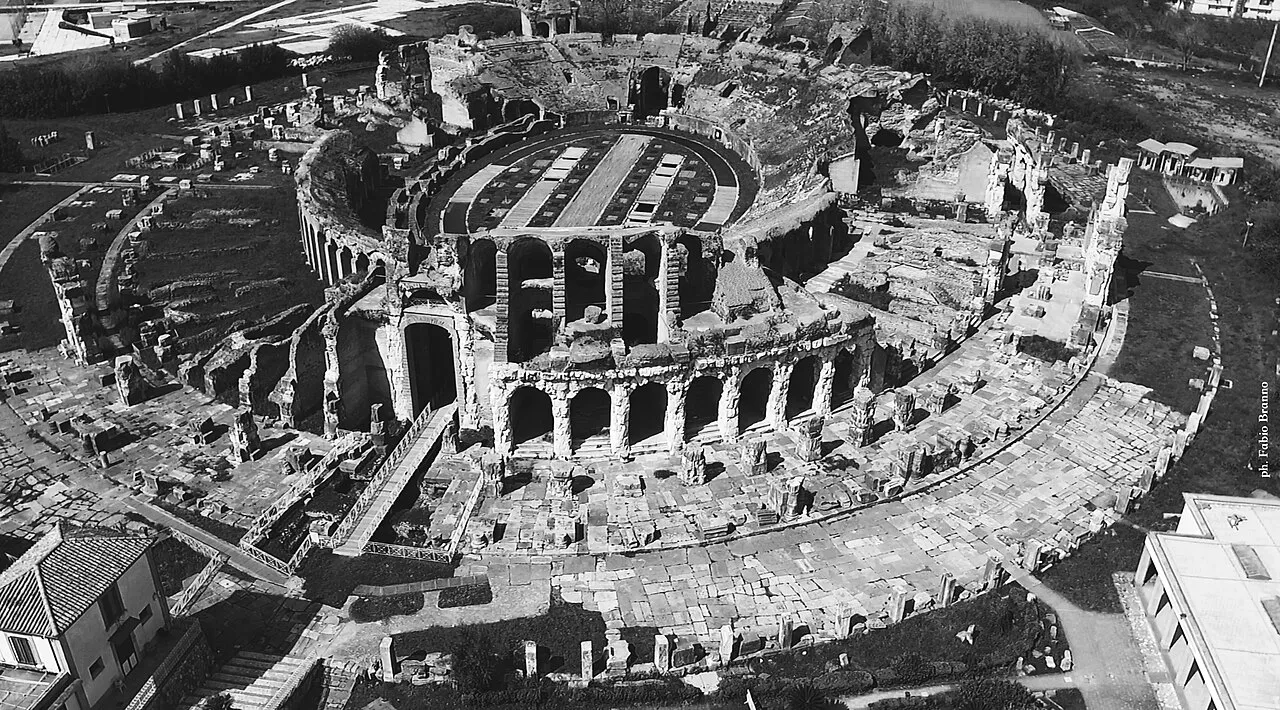 The amphitheatre at Santa Maria Capua Vetere, built in the Roman imperial period on the site of ancient CapuaWikimedia Commons, Fabiobranno, CC BY-SA 4.0 (Amphitheatre Santa Maria di Capua Vetere - EyeSky.jpg)
Sources
- Polybius, Histories, book 9, 3 to 9.
- Livy, History of Rome, books 23 to 26.
- Adrian Goldsworthy, The Fall of Carthage (2006).
Prev: The Upper BaetisNext: The siege lines