247 – 241 BC
Hamilcar at Eryx and the new Roman fleet
From 247 BC Hamilcar Barca commands the Carthaginians on Sicily with a small army, and Carthage gradually withdraws its fleet. From a base on the mountain of Eryx above Drepana he keeps the Roman legions tied down with raids, while Drepana and Lilybaeum, the last Carthaginian cities on the island, hold out under siege. By 243 BC both states are near exhaustion, and Ptolemaic Egypt refuses Carthage a loan of 2,000 talents.
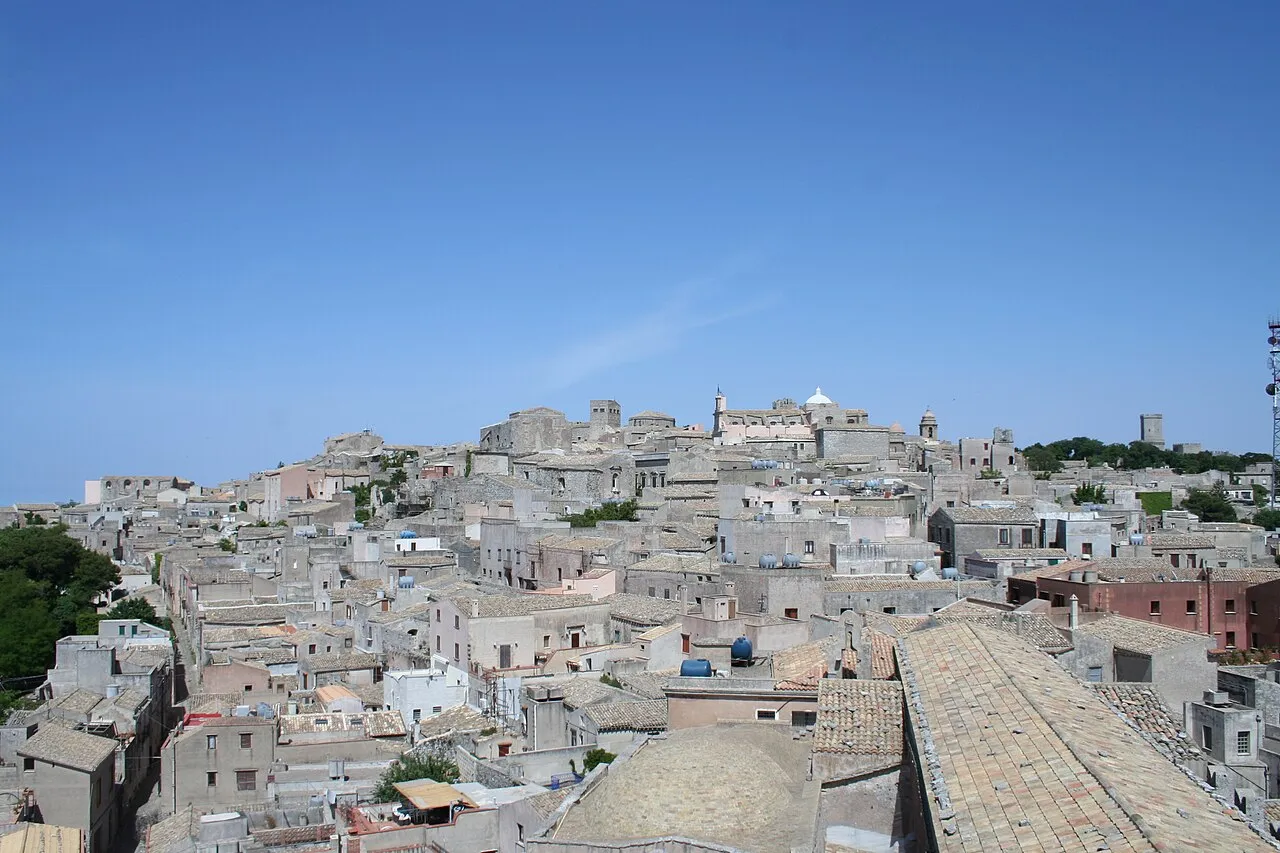 Erice on the summit of Mount Eryx, where Hamilcar Barca held out against the Romans from 244 BCWikimedia Commons, b.roveran, CC BY 2.0 (Erice.jpg)
In late 243 BC the Roman Senate asks the wealthiest citizens to pay for one ship each, to be repaid from the indemnity once the war is won. The result is a fleet of about 200 quinqueremes, built on the model of Hannibal the Rhodian’s captured ship and without the corvus. In 242 BC the consul Gaius Lutatius Catulus and the praetor Quintus Valerius Falto bring it to Sicily, occupy the harbour of Drepana and the anchorages off Lilybaeum, and drill the crews through the winter.
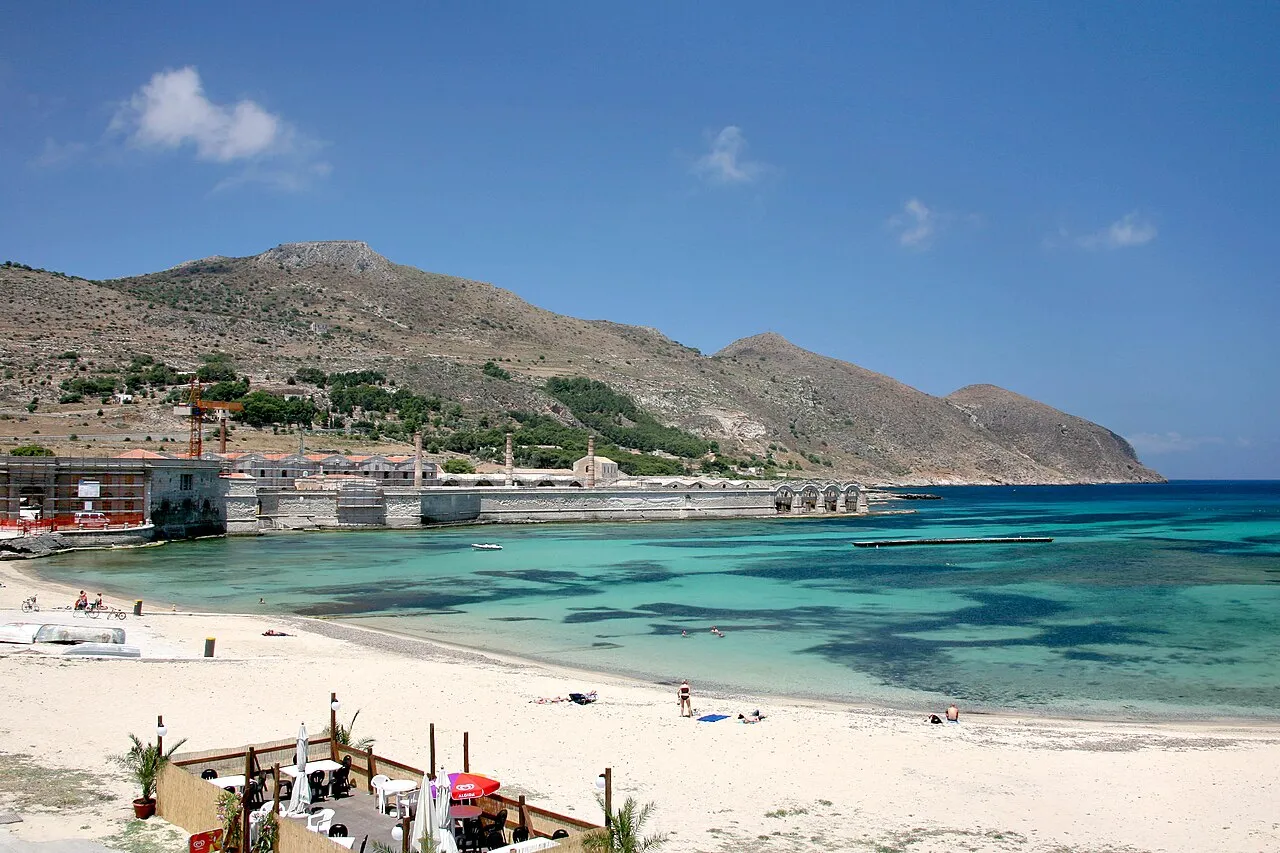 Favignana, ancient Aegusa, the largest of the Aegates IslandsWikimedia Commons, fab., CC BY 2.0 (Favignana 12.jpg)
Carthage needs nine months to ready 250 warships and a large number of transports loaded with grain for its garrisons and for Hamilcar. It struggles to find the 100,000 men the warships need, and has no time to train them together. The plan is to gather the fleet off Hiera, the westernmost of the islands, and run for Lilybaeum on a following wind before the Romans can concentrate.
Sources
- Polybius, Histories, book 1, 56 to 59.
- John Lazenby, The First Punic War (1996).
- Adrian Goldsworthy, The Fall of Carthage (2006).
Prev: Carthalo and the stormNext: The Romans intercept