1363–1365
Philippopolis and Sırpsındığı, 1363–1365
Ottoman troops take Philippopolis (Plovdiv), the chief town of the upper Maritsa valley, in 1363 or 1364, and Stara Zagora, which the Bulgarians call Boruy. Accounts of the time describe the enslavement of many of the inhabitants, and by the reading of the Bulgarian historian Dimitar Angelov the captives are taken to Murad’s camp in Anatolia and shared out among his soldiers.
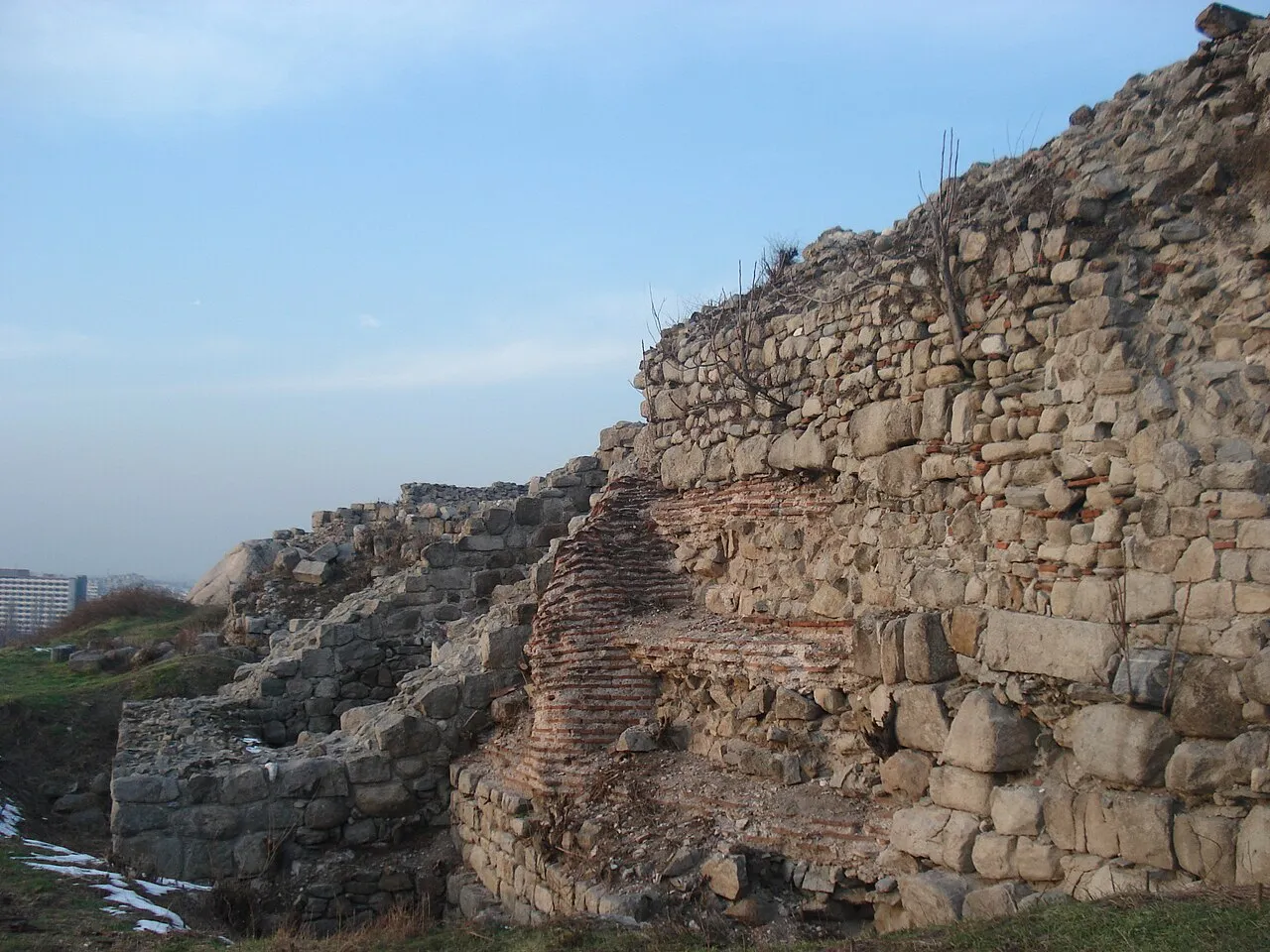 The walls of the fortress on Nebet Tepe, the citadel hill of PlovdivWikimedia Commons, Realsteel007, CC BY-SA 4.0 (Nebet tepe 6.jpg)
The Ottoman chronicles tell that in 1364 an army of Serbs, Hungarians, Bosnians and Wallachians, raised at the call of Pope Urban V, marches down the Maritsa against Edirne while Murad is in Anatolia. Hacı İlbey, sent by Lala Şahin to watch it, falls on its camp at night about 15 km from Edirne, and many drown in the Maritsa as they flee. The Ottomans call the battle Sırpsındığı, the rout of the Serbs.
No Serbian, Hungarian, papal or other European source records this battle, and King Louis I of Hungary, whom the chronicles place in the army, attends a congress at Kraków in September 1364. Some historians hold that Sırpsındığı and the battle on the Maritsa in 1371 are one and the same. In the spring of 1365 Louis I takes Vidin and carries off its ruler, Ivan Sratsimir, to Hungary.
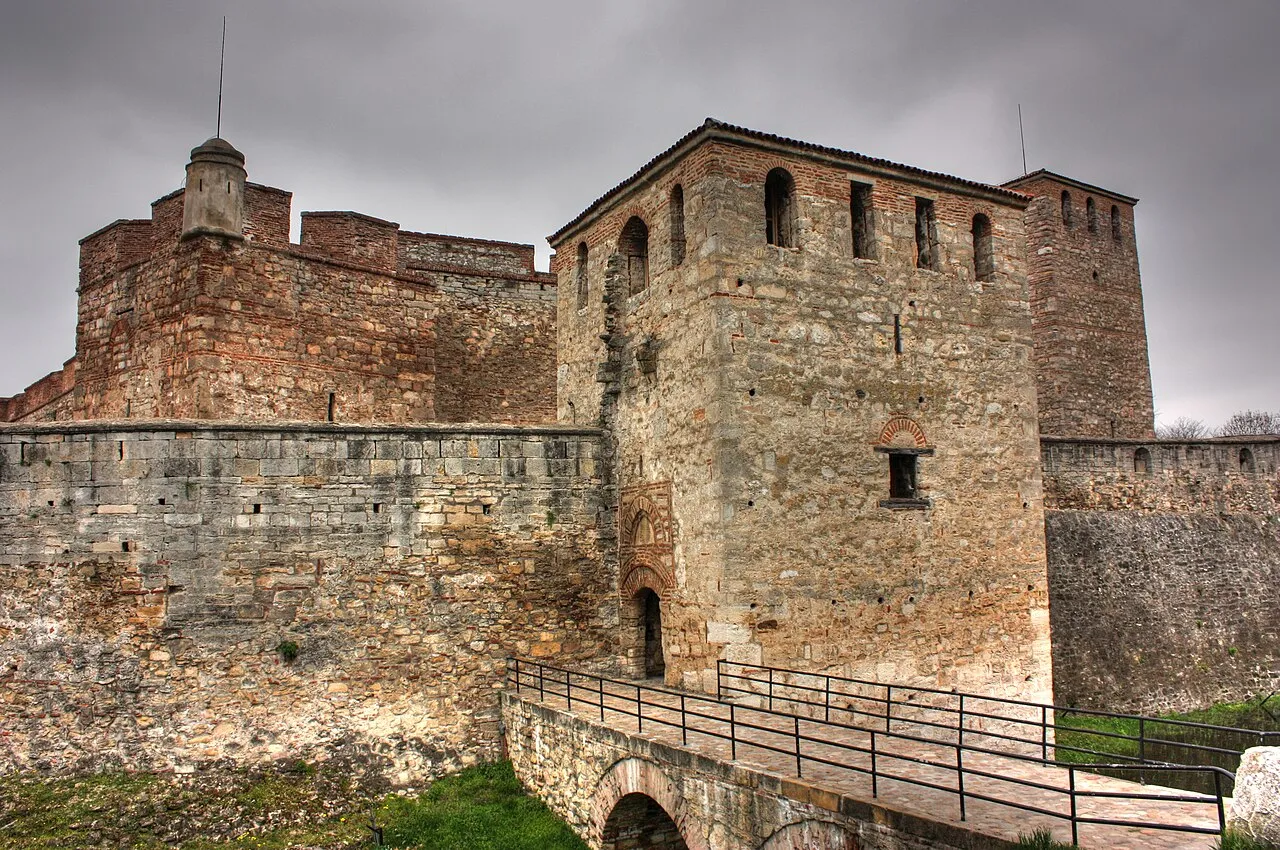 The fortress of Baba Vida at Vidin on the DanubeWikimedia Commons, Klearchos Kapoutsis from Wrocław, Poland, CC BY 2.0 (Baba Vida Klearchos 4.jpg)
Sources
- Mehmed Neşri, Kitâb-ı Cihan-nümâ (late 15th century).
- John V. A. Fine, The Late Medieval Balkans (1987).
- Abdülkadir Özcan, “Sırpsındığı Savaşı”, in TDV İslâm Ansiklopedisi.
- Kenneth M. Setton, The Papacy and the Levant (1204–1571), vol. 1 (1976).
Prev: Adrianople, 1361 or 1369Next: The Savoyard crusade, 1366