2 March 1331
Nicaea, 1331
Nicaea has been blockaded at intervals since 1301, and in 1328 Orhan begins a close siege. The Ottomans cannot control the harbour on the lake, and the city holds out for three years. After the defeat at Pelekanon no relief comes, and on 2 March 1331 the city surrenders. The inhabitants who wish to leave may go, and few do.
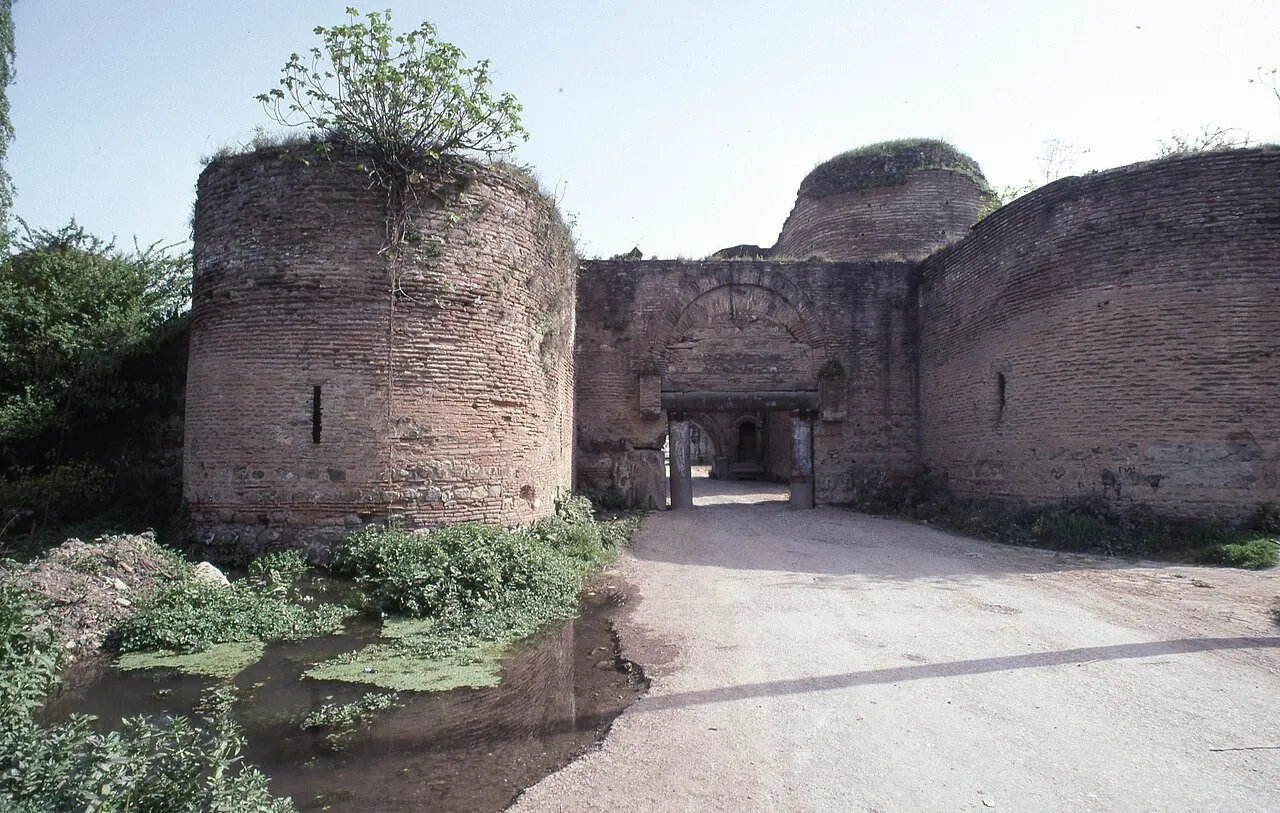 The Istanbul Gate in the walls of İznik, the northern gate of NicaeaWikimedia Commons, Dosseman, CC BY-SA 4.0 (Iznik Wall at Istanbul Gate 016.jpg)
Orhan turns the cathedral of Hagia Sophia into a mosque and founds a medrese, the first Ottoman school of religious learning, with a bath nearby. Some accounts make Nicaea his capital for a short time.
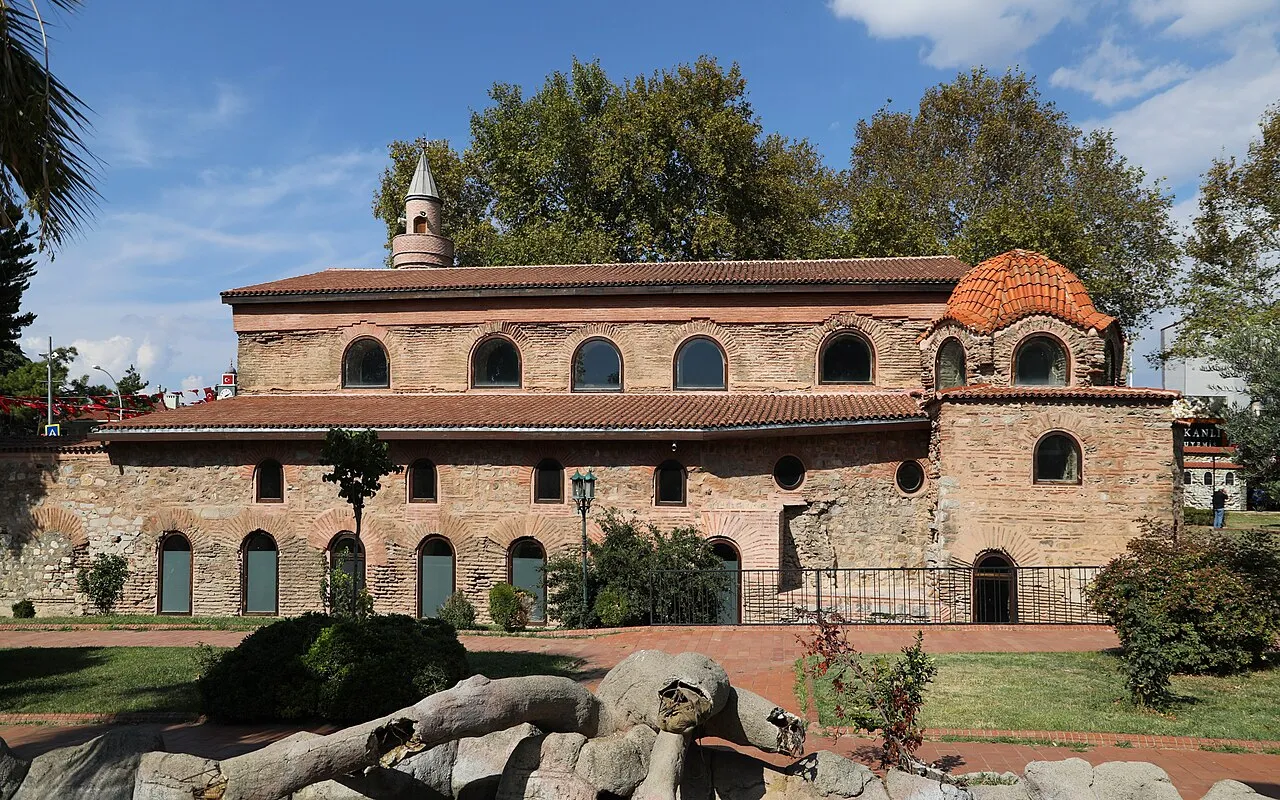 The church of Hagia Sophia in İznik, which Orhan turned into a mosque in 1331Wikimedia Commons, Francesco Bini, CC BY-SA 4.0 (Iznik, aya sofia, esterno 01.jpg)
Soon after the surrender Patriarch John XIV writes to the Christians of Nicaea and urges them to keep their faith, as many are turning to Islam. By 1340 many of the townspeople are Muslims. Nicaea, the imperial seat from 1204 to 1261 and the city of the church councils of 325 and 787, is the most important Byzantine city in Asia at its fall.
Sources
- Nikephoros Gregoras, Roman History.
- Donald M. Nicol, The Last Centuries of Byzantium, 1261–1453 (2nd ed., 1993), 171.
- Clive Foss, Nicaea: A Byzantine Capital and Its Praises (1996).
Prev: The retreat to PhilokreneNext: Nicomedia and Kocaeli, 1333–1337