c. 1300 – 1360s
Gazis, dervishes and akhis
The chronicles call the warriors of Osman and Orhan gazis or alps, horsemen of the frontier, the uç, who raid Byzantine lands for booty and fame. Aşıkpaşazade, writing in the late 15th century, counts four groups among the Turks of Anatolia: the gazis, the akhis, the abdals, who are wandering dervishes, and the bacıs, the sisters. In 1938 Paul Wittek argued that holy war against the Christians, gaza, built the Ottoman state. Since the 1980s most historians have rejected this view, as the early Ottomans also fought Muslim neighbours, took Christians into their service and used gaza for any raid.
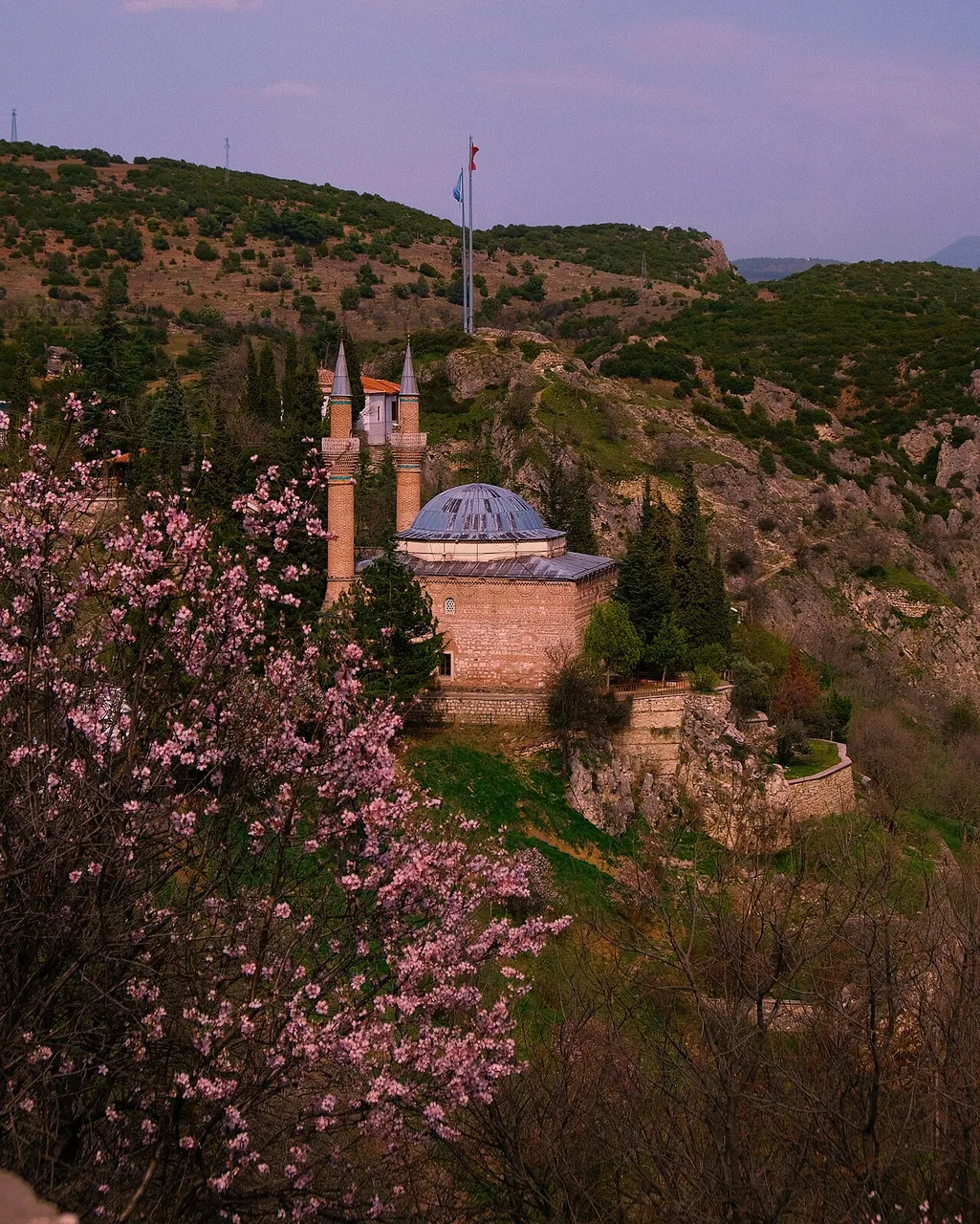 The tomb of Sheikh Edebali at BilecikWikimedia Commons, Samet Berber, CC BY-SA 4.0 (Bilecik - Şeyh Edebali türbesi.jpg)
By tradition Osman gives İnegöl to Turgut Alp, and Orhan’s commanders keep the lands they take: Kocaeli is the land of Akça Koca, who is buried at Kandıra, Konuralp is named after Konur Alp, and Abdurrahman Gazi holds Aydos. Dervishes settle among the warriors. Sheikh Edebali keeps a lodge at Bilecik, and Geyikli Baba, a dervish said to ride a deer, joins the siege of Bursa and receives from Orhan the site of a lodge at Babasultan below Uludağ. The chronicles name other dervishes of Orhan’s time, among them Abdal Musa, whose lodge at Elmalı in the south later becomes a centre of the Bektaşi order.
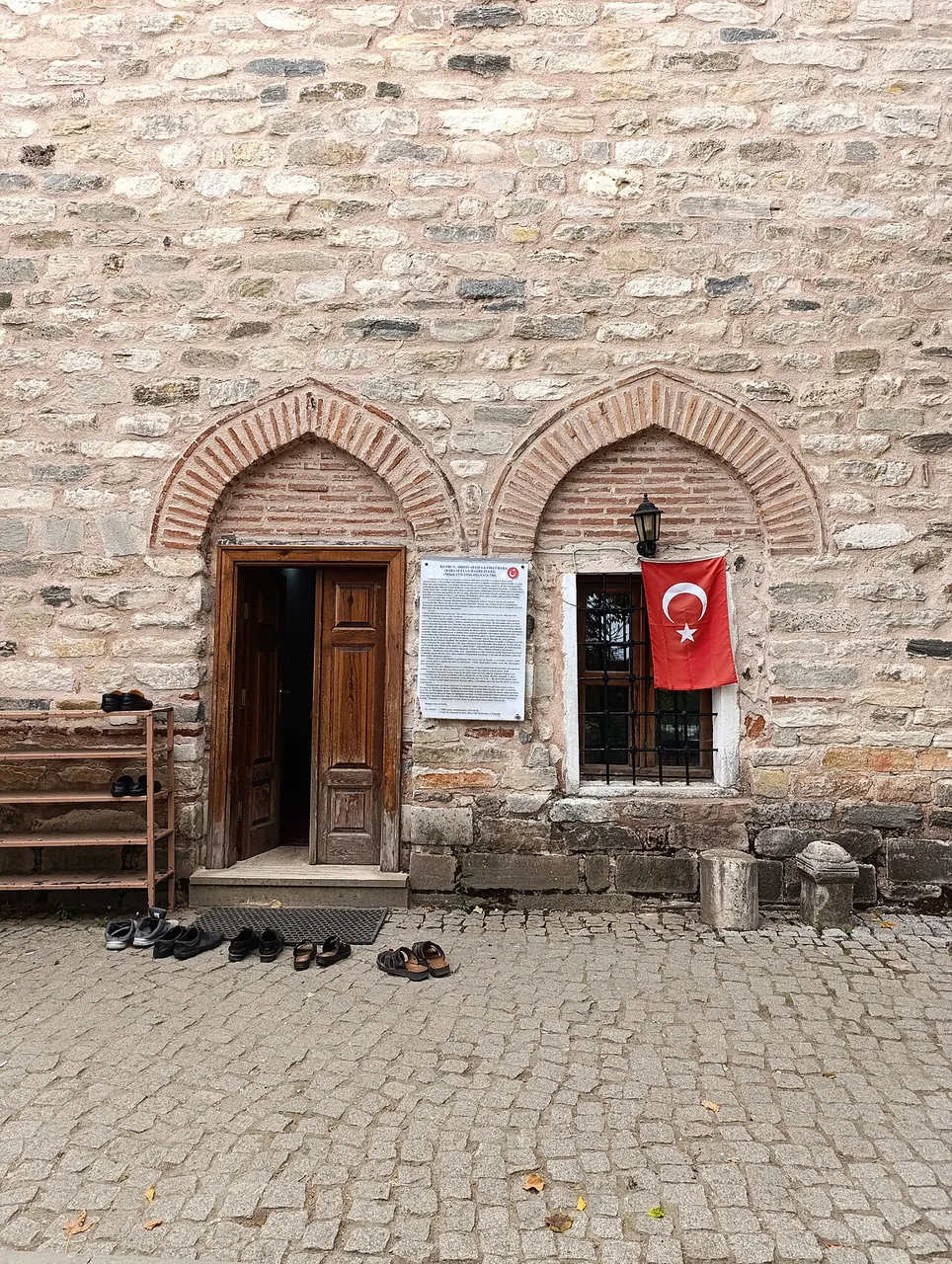 The tomb of Geyikli Baba at Babasultan below UludağWikimedia Commons, İsosfer, CC BY-SA 4.0 (Geyikli Baba Türbesi 2.jpg)
The akhis are brotherhoods of craftsmen, each led by a master called the akhi, who keep lodges and feed travellers. Ibn Battuta travels through Anatolia in the early 1330s and stays in akhi lodges in more than 25 towns. He visits Bursa and İznik, newly taken by Orhan, and goes on by Mudurnu and Bolu toward Kastamonu. In towns without a prince, such as Ankara, the akhis keep order.
Sources
- Aşıkpaşazade, Tevârîh-i Âl-i Osmân (late 15th century).
- Ibn Battuta, The Travels of Ibn Battuta, A.D. 1325–1354, translated by H. A. R. Gibb, vol. 2 (1962).
- Paul Wittek, The Rise of the Ottoman Empire (1938).
- Cemal Kafadar, Between Two Worlds: The Construction of the Ottoman State (1995).
Prev: Süleyman in Thrace, 1355–1357Next: Bey, vizier and kadı