1388
Ali Pasha in Bulgaria, 1388
After Pločnik, Tsar Ivan Shishman of Tarnovo renounces his vassalage and refuses to send troops to Murad. In 1388 the grand vizier Çandarlı Ali Pasha, Hayreddin Pasha’s son, crosses the eastern Balkan mountains with about 30,000 men and takes the Bulgarians by surprise. Ovech (Provadia), Shumen, Madara and other towns fall, but Varna holds out, and Ali Pasha gives up its siege and turns north.
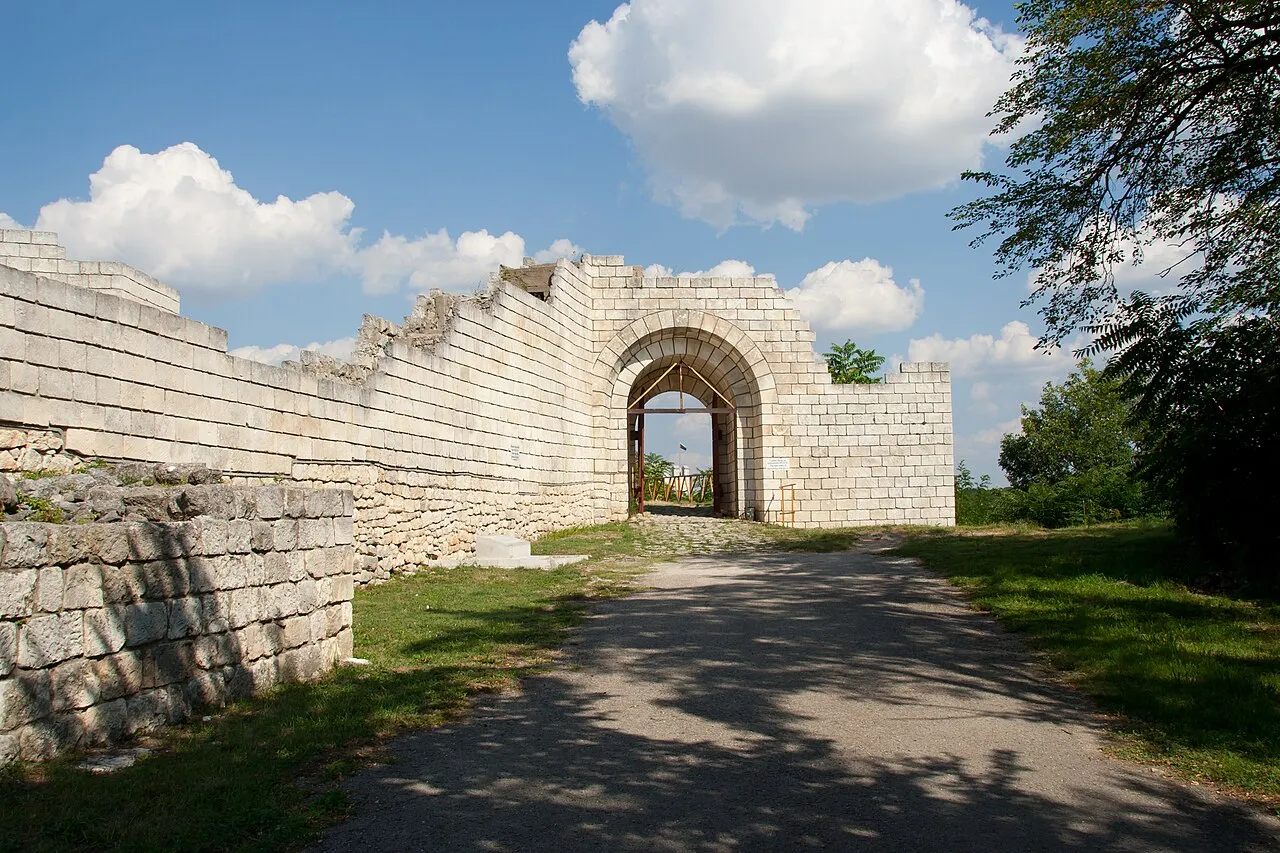 The gate of the medieval fortress of ShumenWikimedia Commons, Feradz, CC BY 3.0 (Shumen Fortress Gate.jpg)
Tutrakan on the Danube surrenders after Ali Pasha burns its fields. Shishman holds Nikopol, and when Ali Pasha cannot take it, Murad comes with more troops, by the account of the Ottoman chronicler Sadeddin. Shishman asks for a truce and promises Silistra, but then refuses to hand it over and strengthens its walls. Ali Pasha crosses the mountains a second time, takes Shumen, Cherven and Svishtov and besieges Shishman in Nikopol again. Shishman submits on harder terms: he hands over Silistra and accepts Ottoman garrisons in Shumen and Ovech.
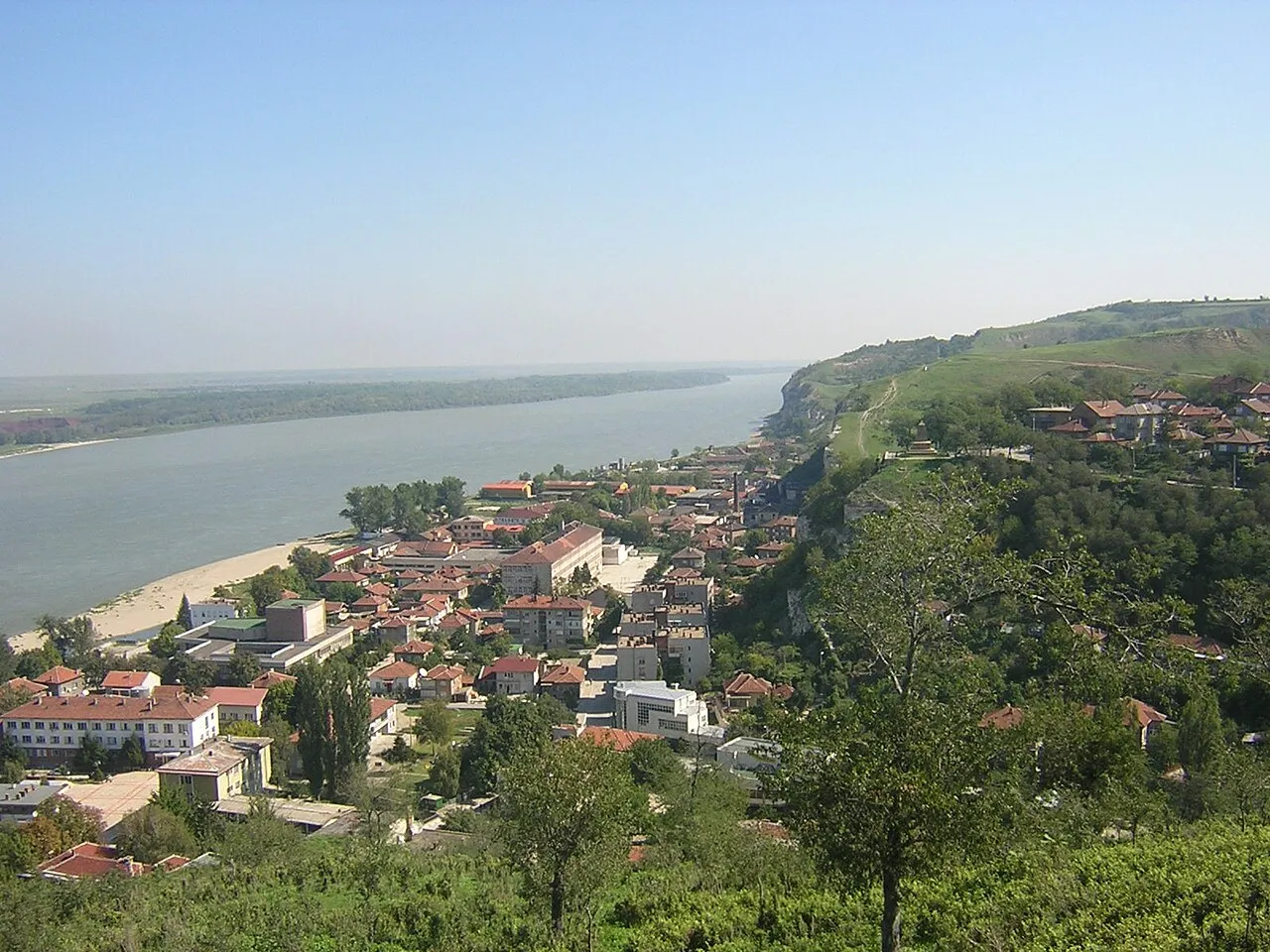 Nikopol and the Danube seen from the fortress hillWikimedia Commons, unknown author, Public domain (Nikopolview.JPG)
Shishman keeps Tarnovo, the lands west of it and some castles on the Danube, and Varna and Kaliakra stay Bulgarian. Ivan Sratsimir of Vidin probably becomes an Ottoman vassal at this time and takes an Ottoman garrison.
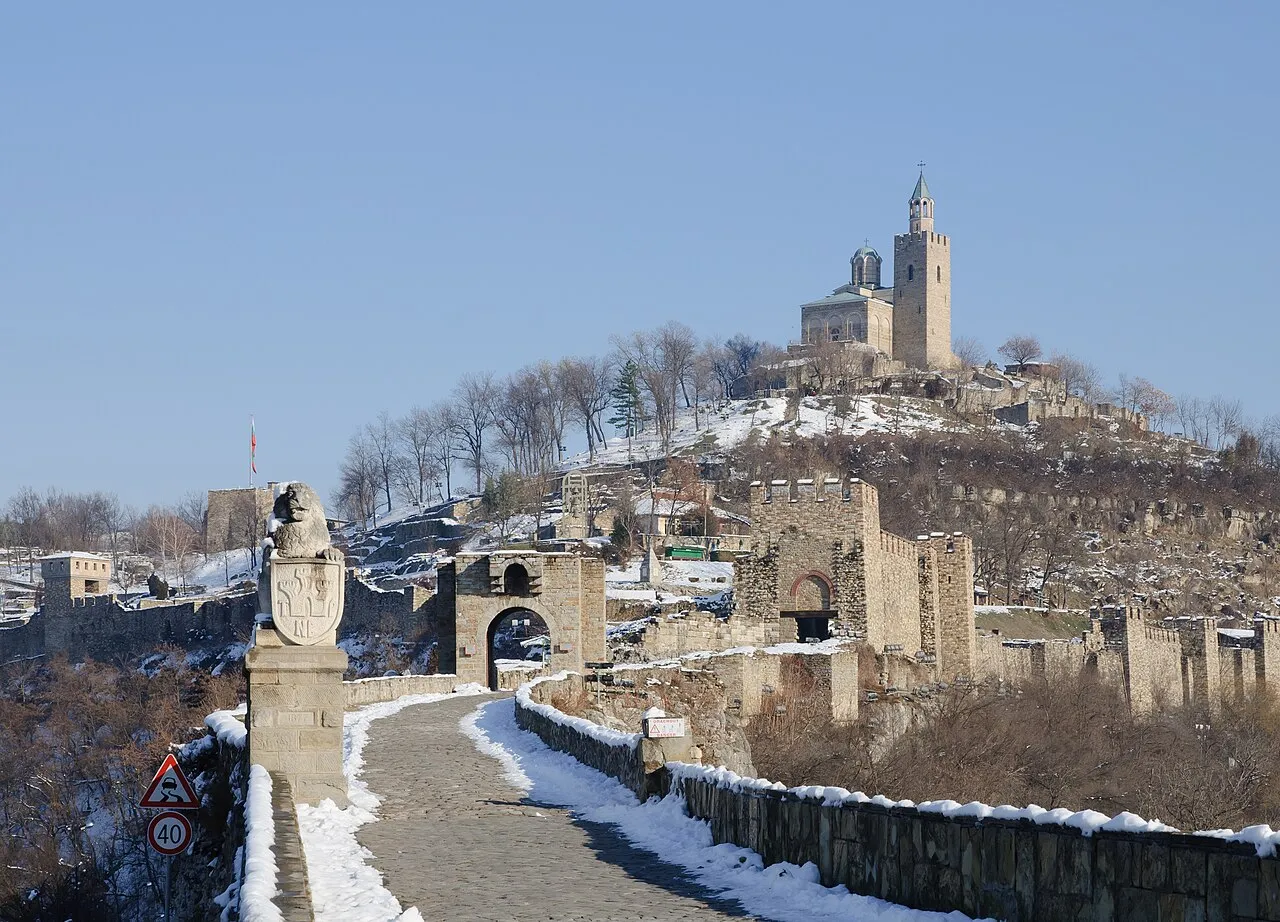 The Tsarevets hill at Tarnovo, the citadel of the Bulgarian tsarsWikimedia Commons, MrPanyGoff, CC BY-SA 3.0 (Tsarevets - Veliko Tarnovo - 2.jpg)
Sources
- Ivan Božilov and Vasil Gjuzelev, Istorija na srednovekovna Bălgarija VII–XIV vek (1999).
- John V. A. Fine, The Late Medieval Balkans (1987).
- Colin Imber, The Ottoman Empire, 1300–1481 (1990).
Prev: Bileća, 1388Next: The march to Kosovo, 1389