August 1388
Bileća, 1388
Đurađ II Balšić of Zeta, by now an Ottoman vassal, is at odds with King Tvrtko I of Bosnia and opens the way for Ottoman raids into Bosnia: a first one in October 1386, of which little is known, and a second in 1388. Murad sends Lala Şahin Pasha, then fighting in Epirus, to help Đurađ. In early August 1388 the Ottomans break into Hum, the southern part of Tvrtko’s kingdom, close to Ragusa (Dubrovnik).
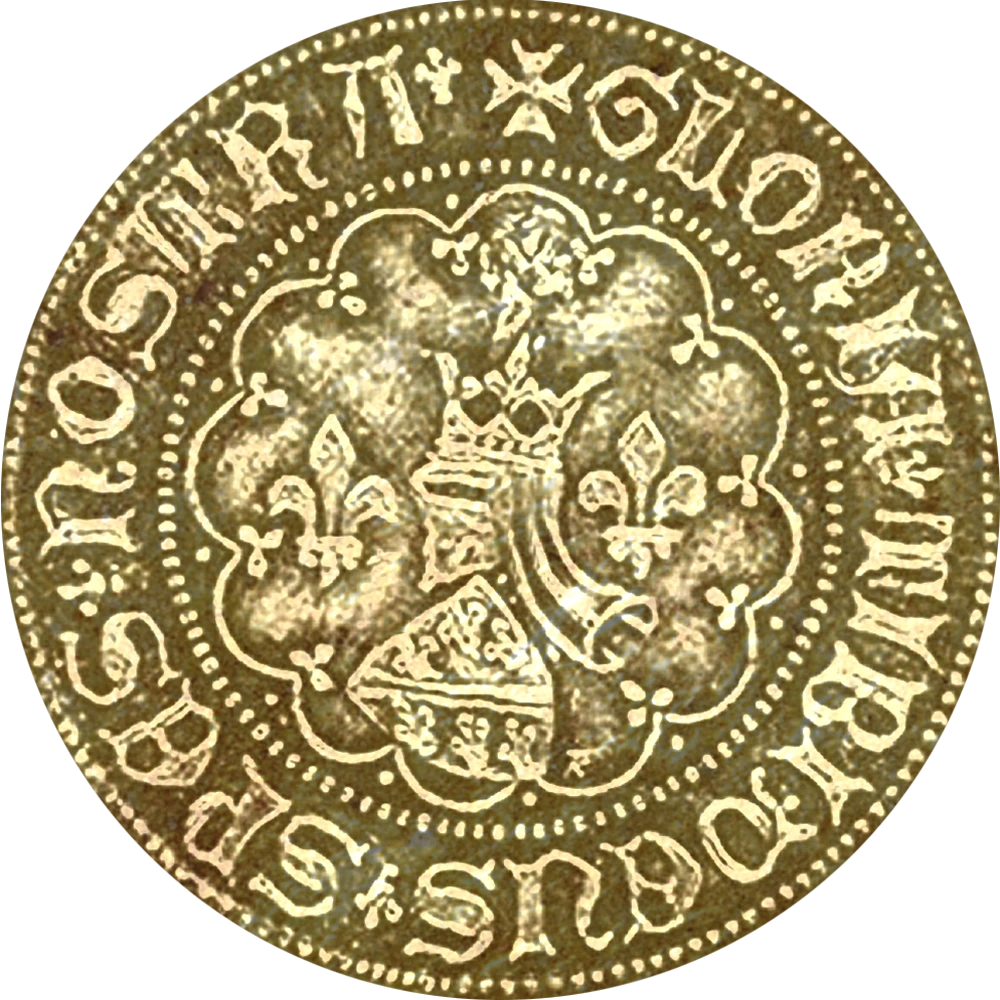 A gold coin of King Tvrtko I of BosniaWikimedia Commons, Alenmahovic, CC BY-SA 3.0 (TvrtkoIRevers.png)
On 15 August Ragusa offers refuge to Tvrtko’s subjects, the nobles in the city and the common people on the Pelješac peninsula, and the walls of Ston are made ready. Tvrtko sends 1,000 men to help defend the peninsula. The size of the Ottoman army is not known, though it may have been up to 18,000 strong.
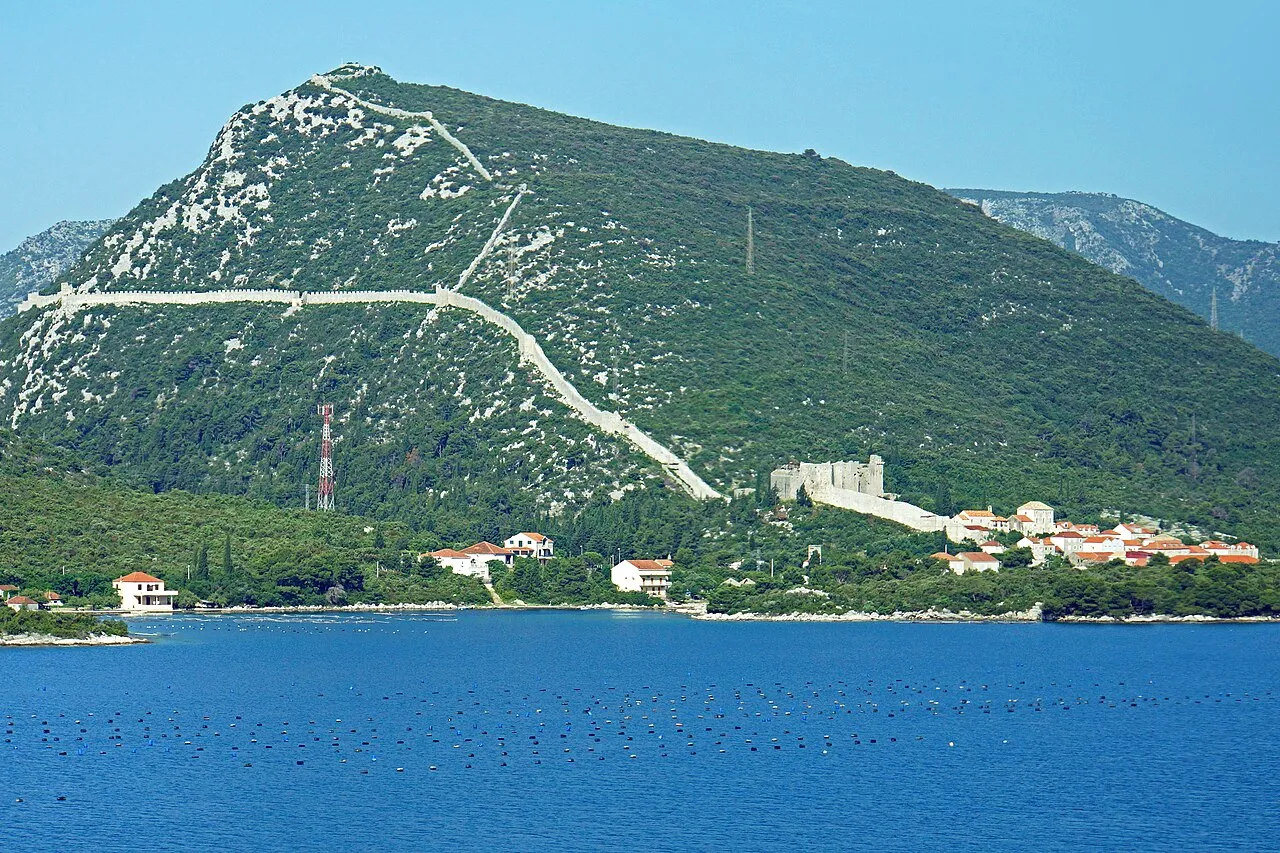 The walls of Ston on the Pelješac peninsula, which Ragusa made ready in August 1388Wikimedia Commons, Dennis G. Jarvis, CC BY-SA 2.0 (Croatia-02138 - Walls of Ston (10091668384).jpg)
Tvrtko’s commander, Grand Duke Vlatko Vuković, lets the Ottomans advance as far as Bileća and attacks them in the steep, rocky country of Hum. The Ottomans are routed, and Lala Şahin barely escapes. A later chronicle dates the battle to 27 August, but on 26 August Ragusa already reports the result to King Sigismund of Hungary and frees the Zetans and Albanians captured in the Ottoman army.
Sources
- Sima Ćirković, Istorija srednjovekovne bosanske države (1964).
- John V. A. Fine, The Late Medieval Balkans (1987).
- Colin Imber, The Ottoman Empire, 1300–1650 (2002).
Prev: Niš and Pločnik, 1386Next: Ali Pasha in Bulgaria, 1388