May – 14 August 1448
Svetigrad and Oranik, 1448
In spring 1448 Murad II and his son Mehmed lead an army into Albania, about 15,000 men by modern estimates. Murad marches by Bitola (Monastir) and Ohrid into the valley of the Black Drin to Svetigrad, a fortress on the road from Macedonia into Albania. Skanderbeg’s men had taken it with the help of Moisi Arianit Golemi soon after the rising of 1443. The siege begins on 14 May 1448.
The garrison under Pjetër Perlati beats off the assaults, and Skanderbeg, who is also at war with Venice in the north, harasses the besiegers from the hills around the camp. On 31 July 1448 the garrison surrenders for lack of water. Barleti writes that a dead dog was thrown into the castle’s well and the defenders would not drink from it, an Ottoman chronicler that the besiegers cut off the water, and most recent historians follow the Ottoman account. Murad lets the garrison go to Skanderbeg and puts janissaries in the fortress, and graves found at Kodžadžik hold about 900 Muslim and 300 Christian dead of the siege.
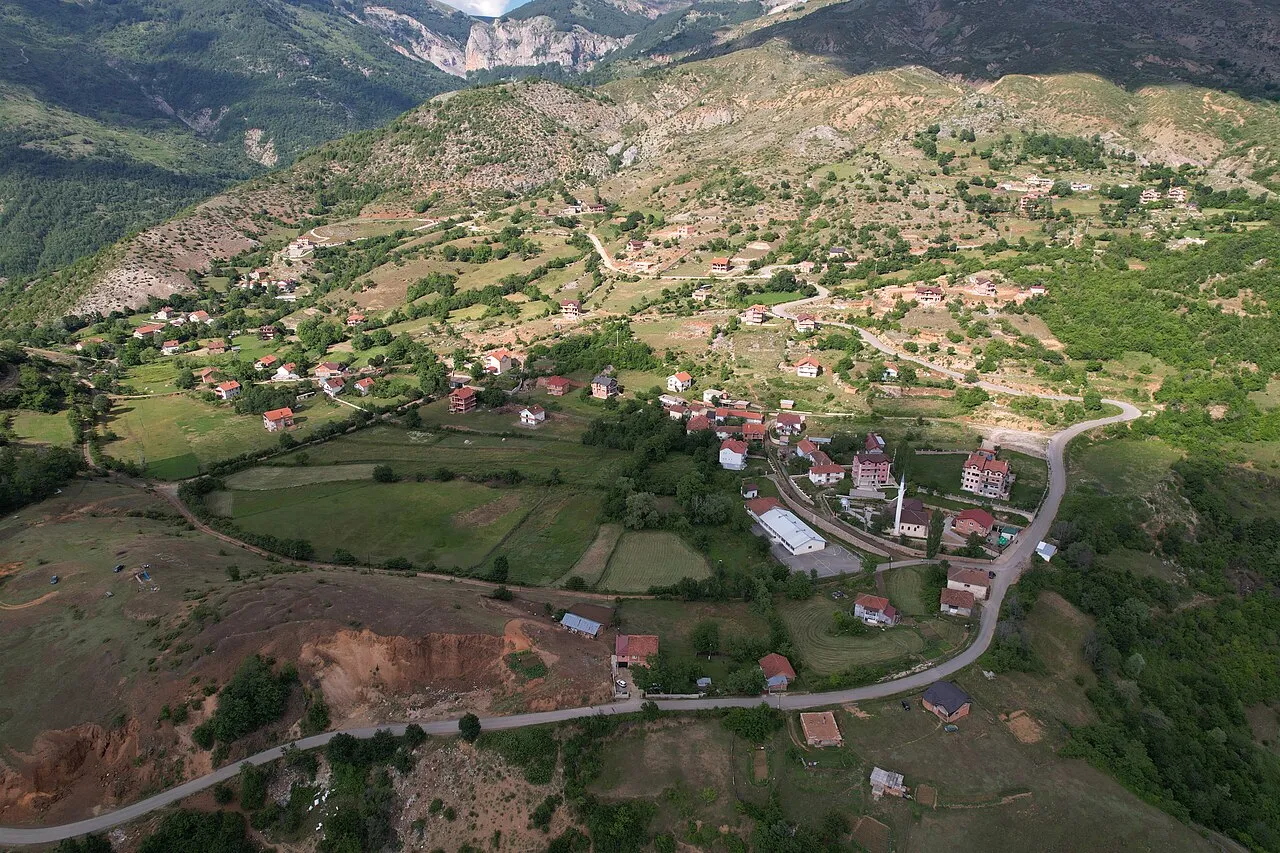 Kodžadžik, near the site of SvetigradWikimedia Commons, Dean Lazarevski, CC BY-SA 4.0 (Поглед на Коџаџик.jpg)
In August 1448 Mustafa Pasha leads 15,000 men into Upper Dibra at the request of Venice, which had agreed with the Ottomans to attack Skanderbeg from two sides. Skanderbeg leaves 5,000 men under Marin Spani and his nephew Hamza Kastrioti before Dagnum and marches south with the rest of his army. On 14 August 1448 he surprises the Ottomans near Oranik with 6,000 men, and Mustafa Pasha, who believed that Skanderbeg was still at Dagnum, loses 3,000 men and is taken prisoner with twelve high officers. Mustafa is later ransomed for 25,000 ducats.
Sources
- Marin Barleti, Historia de vita et gestis Scanderbegi Epirotarum principis (about 1508).
- Aşıkpaşazade, Tevârîh-i Âl-i Osmân (late 15th century).
- Laonikos Chalkokondyles, Histories (c. 1464).
- Fan S. Noli, George Castrioti Scanderbeg (1405–1468) (1947).
- Harry Hodgkinson, Scanderbeg: From Ottoman Captive to Albanian Hero (1999).
- Kristo Frashëri, Gjergj Kastrioti Skënderbeu: jeta dhe vepra, 1405–1468 (2002).
- Oliver Jens Schmitt, Skanderbeg: Der neue Alexander auf dem Balkan (2009).
Prev: Skanderbeg and Venice, 1447–1448Next: Hunyadi’s march, 1448