September – 17 October 1448
Hunyadi’s march, 1448
John Hunyadi has ruled Hungary as governor for the child king Ladislaus V since 6 June 1446. In December 1447 he invaded Wallachia and deposed Vlad II, who was killed in the marshes of Bălteni, and set up a new voivode. Historians disagree whether the new voivode was Vladislav II or Dan, a son of Basarab II. In February 1448 Hunyadi’s troops put Peter III on the throne of Moldavia, and in September he writes to Pope Nicholas V that he means to defeat the Ottomans in one battle and drive them out of Europe.
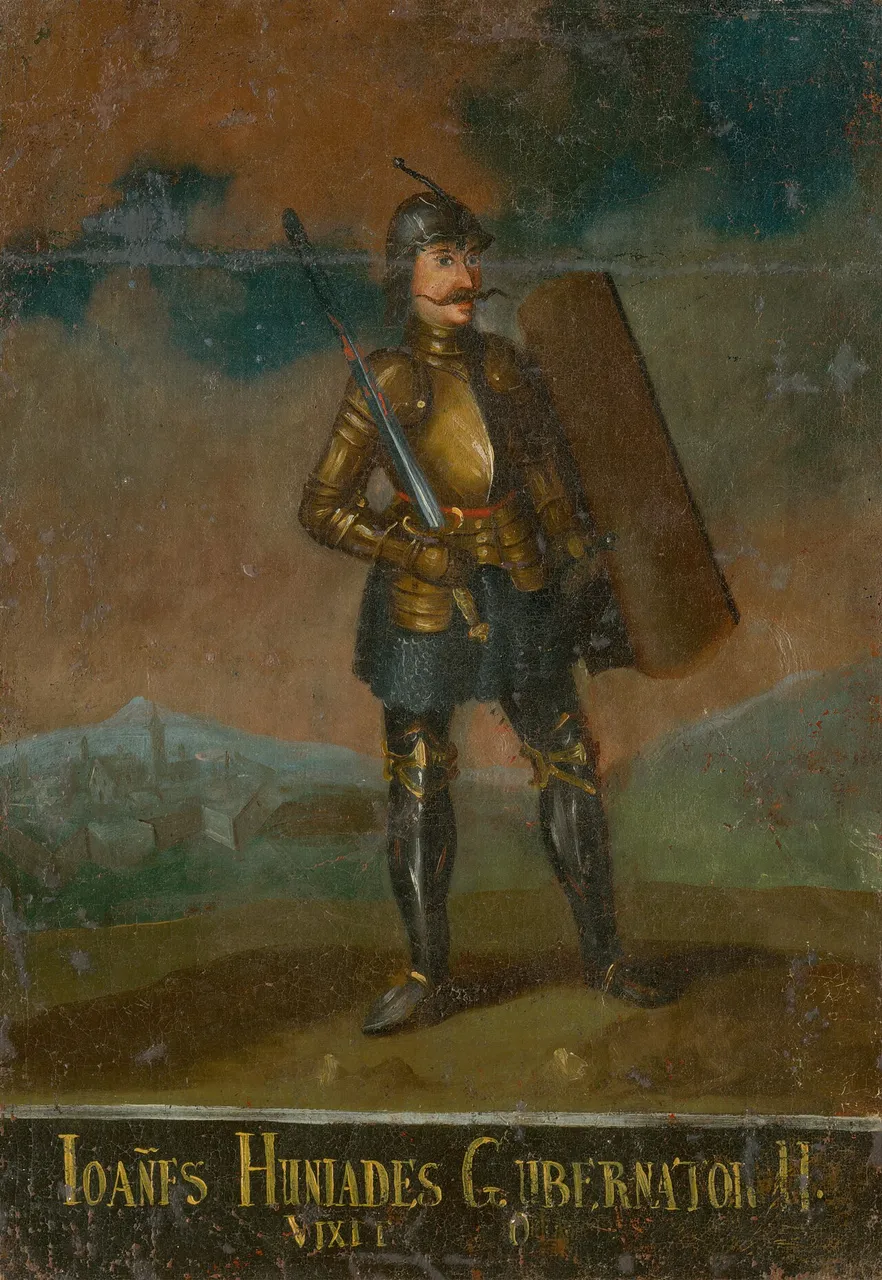 John Hunyadi as governor of Hungary in a portrait of about 1700, Slovak National GalleryWikimedia Commons, unknown painter, Public domain (Slovenský maliar z 18. storočia - John Hunyadi - O 5365 - Slovak National Gallery.jpg)
Hunyadi gathers about 16,000 men at Kovin, on the Danube opposite Smederevo, and about 8,000 Wallachians join him. Modern estimates of the whole army run from 22,000 to 30,000 men: Hungarian horsemen, German and Bohemian mercenaries on foot, and war wagons with guns. Đurađ Branković refuses to join because of his truce with the Ottomans, and he will not let the army cross his land. Hunyadi waits at Kovin for his allies, then crosses into Serbia in late September and marches up the Morava valley, plundering the land of the despot, whom he now treats as an Ottoman ally.
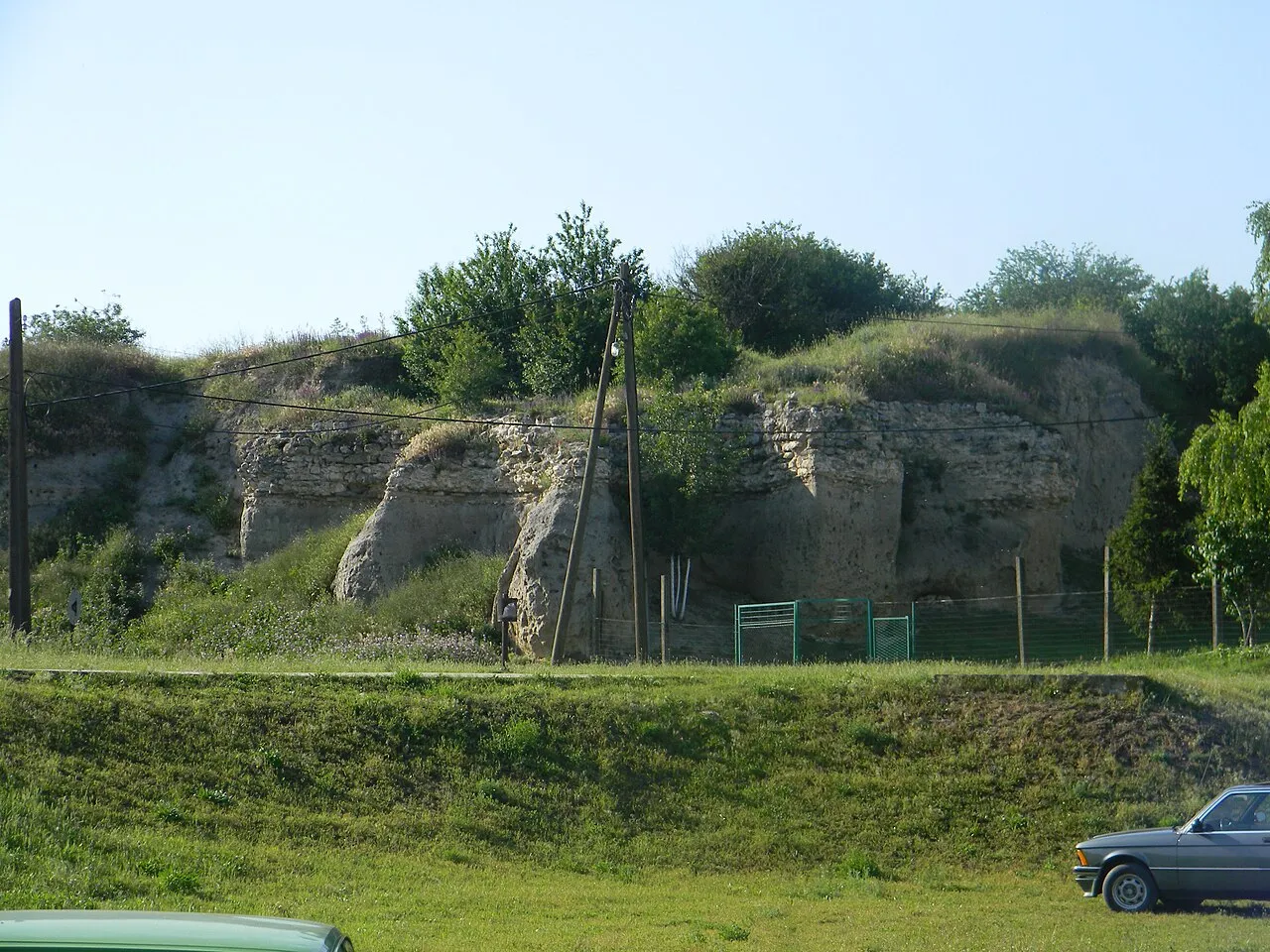 The remains of the fortress of Kovin on the DanubeWikimedia Commons, Laslovarga, CC BY-SA 3.0 (Kovin, ostaci tvrđave.JPG)
The news makes Murad break off his campaign in Albania and fall back to Sofia to gather supplies and reinforcements. There he hears that a Wallachian force has crossed the Danube into the sanjak of Nikopol, and akıncıs sent against it ambush it and bring many prisoners back to Sofia. Skanderbeg makes peace with Venice at Lezhë on 4 October and marches to join Hunyadi, but he is held up on the way, by most accounts by Đurađ’s troops in the passes on the border, although Đurađ’s part is disputed. Murad marches from Sofia, and on 17 October his army appears before the crusaders on Kosovo field.
Sources
- Laonikos Chalkokondyles, Histories (c. 1464).
- Aşıkpaşazade, Tevârîh-i Âl-i Osmân (late 15th century).
- Johannes de Thurocz, Chronica Hungarorum (1488).
- Franz Babinger, Mehmed the Conqueror and His Time (1978).
- John V. A. Fine, The Late Medieval Balkans (1994).
- Camil Mureșanu, John Hunyadi: Defender of Christendom (2001).
- Pál Engel, The Realm of St Stephen: A History of Medieval Hungary, 895–1526 (2001).
- Emanuel Constantin Antoche, “Hunyadi’s Campaign of 1448 and the Second Battle of Kosovo Polje (October 17–20)”, in Norman Housley (ed.), Reconfiguring the Fifteenth-Century Crusade (2017), 245–284.
Prev: Svetigrad and Oranik, 1448Next: The armies on Kosovo field