20 October 1448 – 1449
After Kosovo, 1448–1449
Hunyadi flees north from Kosovo field, and on his way home Đurađ Branković’s men capture him and hold him in the fortress of Smederevo. Đurađ first thinks of handing him over to the Ottomans, but the Hungarian barons and prelates gathered at Szeged persuade him to make peace. Hunyadi agrees to pay a ransom of 100,000 gold florins, to give back the lands that he had taken from Đurađ and to send his eldest son Ladislaus to Smederevo as a hostage, and in late December 1448 he is back in Hungary. Skanderbeg, who had been kept from the battle, raids Đurađ’s land and returns to Krujë towards the end of November.
John VIII Palaiologos dies in Constantinople on 31 October 1448, without children, and is buried in the Pantokrator monastery. His brothers Demetrios and Thomas hurry to the capital, but their mother Helena Dragaš keeps the regency for Constantine, despot at Mistra, whom John had wanted as his successor. Murad accepts Constantine on 6 December 1448, and on 6 January 1449 Constantine is proclaimed emperor at Mistra in a small civil ceremony, without a crown.
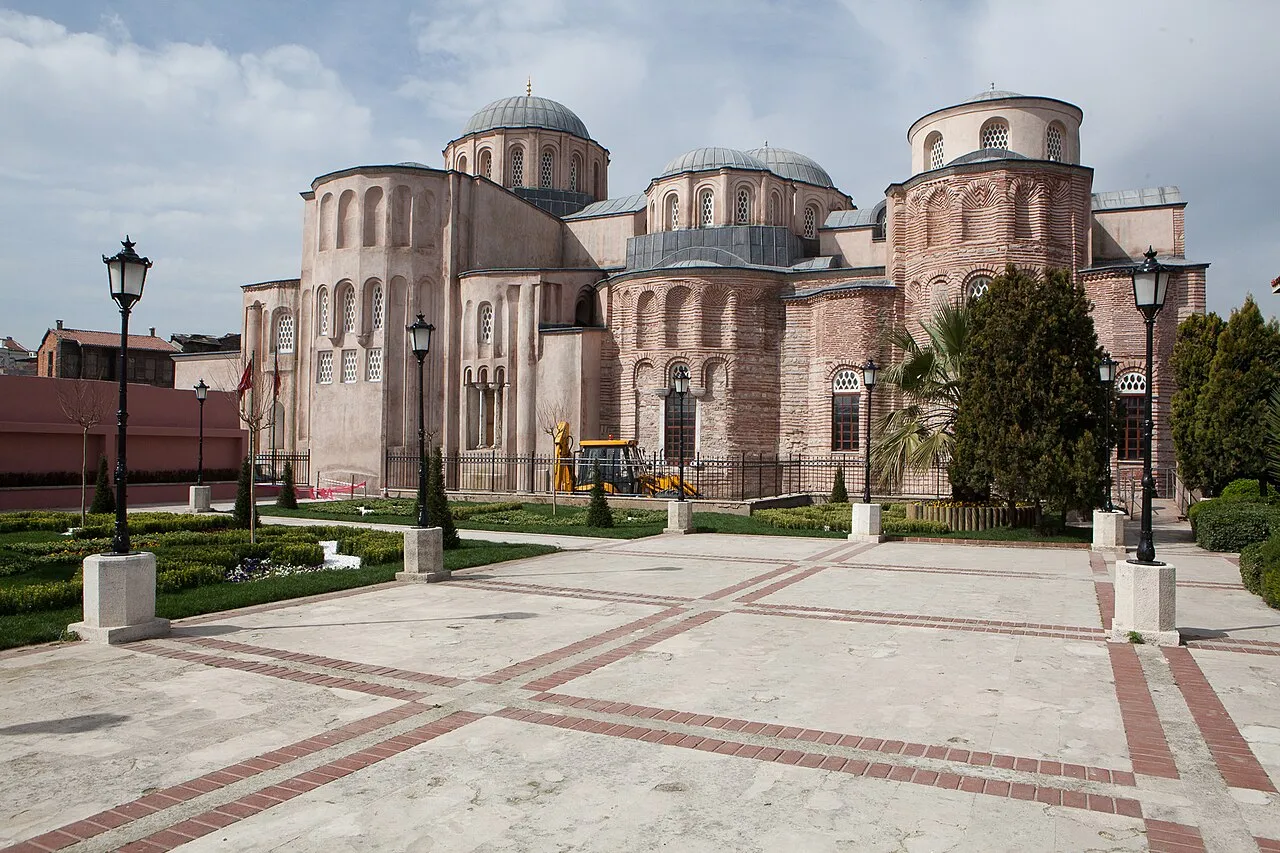 The church of the Pantokrator monastery in Constantinople, where John VIII is buried, now the Zeyrek MosqueWikimedia Commons, Sharon Nathan, CC BY-SA 4.0 (Molla Zeyrek Camii.jpg)
Constantine XI reaches Constantinople on a Catalan ship on 12 March 1449. Two weeks later he sends Andronikos Iagaris to Murad and obtains a truce that also covers the Morea. He gives Mistra and the south and east of the Morea to Demetrios and leaves the north-west with Patras to Thomas. In 1449 Murad’s raiders strike Wallachia, which had sent its troops with Hunyadi.
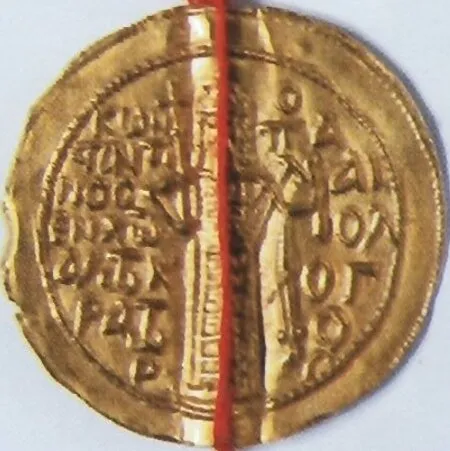 The gold seal of Constantine XI on a charter for Ragusa of 1451, Dumbarton OaksWikimedia Commons, Dumbarton Oaks, Public domain (Gold seal of Constantine XI (cropped).jpg)
Sources
- George Sphrantzes, Chronicon minus (about 1477).
- Doukas, Historia Turco-Byzantina (about 1462).
- Laonikos Chalkokondyles, Histories (c. 1464).
- Zsuzsa Teke, Hunyadi János és kora (1980).
- Donald M. Nicol, The Immortal Emperor: The Life and Legend of Constantine Palaiologos (1992).
- Camil Mureșanu, John Hunyadi: Defender of Christendom (2001).
- Bryan Cartledge, The Will to Survive: A History of Hungary (2011).
Prev: The fall of the campNext: Bursa and Edirne under Murad II