April – November 1454
Serbia, 1454
Despot Đurađ Branković refuses to give Mehmed the keys of Serbian castles that the Ottomans held before 1444, and he talks with Hungary about a new crusade. Mehmed sets out from Edirne after 18 April 1454. Serbian historians date the invasion to July. He takes Sivricehisar, which may be the fortress of Ostrvica where the despot keeps his treasure, and Omolhisar, drives off 9,000 Serbian horsemen and lays siege to Smederevo. When news comes that Hunyadi is gathering an army at Belgrade, Mehmed lifts the siege, and he is back in Sofia by August.
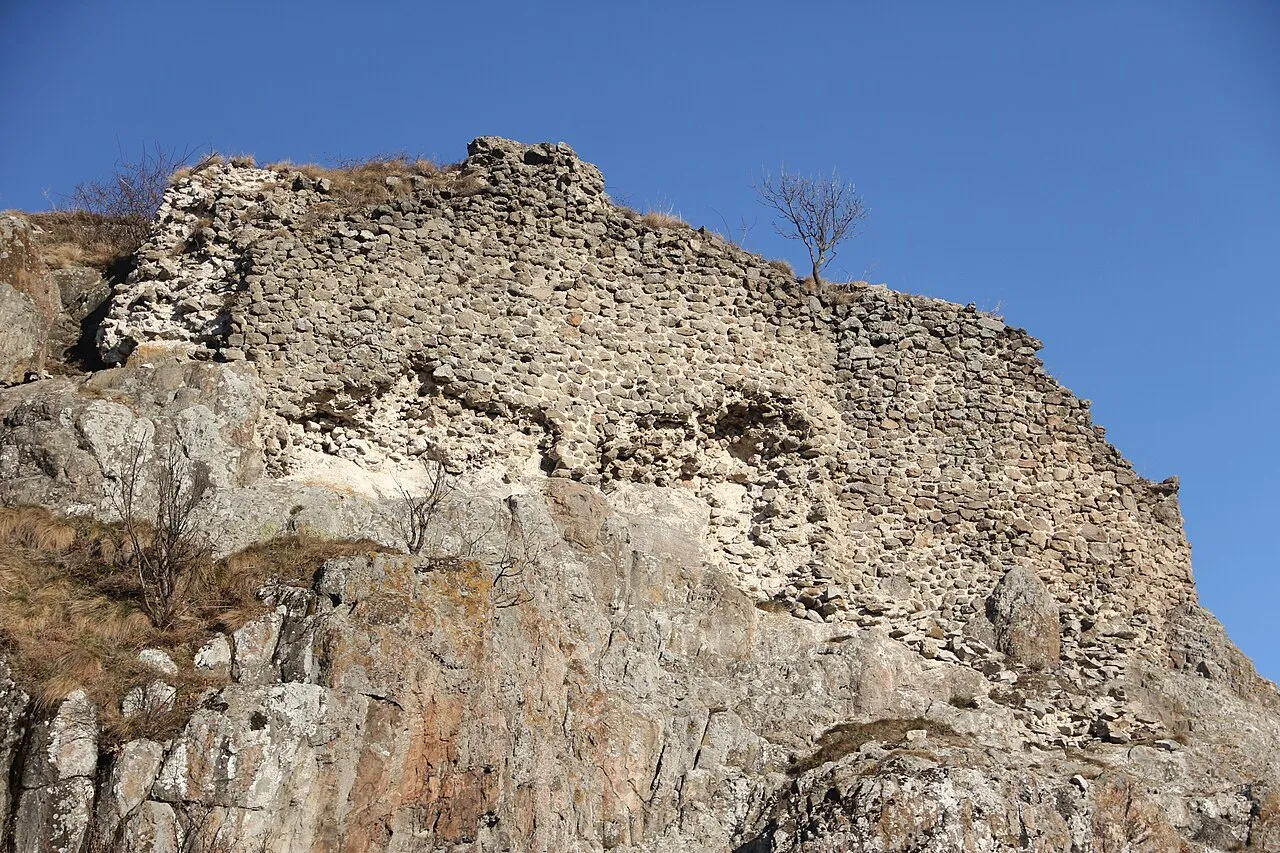 The ruins of the fortress of Ostrvica on its rockWikimedia Commons, BrankaVV, CC BY-SA 4.0 (Srednjovekovni grad Ostrvica kod Gornjeg Milanovca 02.jpg)
Mehmed leaves Firuz Bey in the Morava valley with an army of 32,000 men. Two Serbian armies are still in the field, one in Dubočica under the young voivode Nikola Skobaljić and the other on the Sitnica in Kosovo. On 24 September Skobaljić defeats an Ottoman force near Leskovac. Hunyadi and Đurađ then attack Firuz Bey at Kruševac on 2 October, or on 29 September in another account, destroy his army and take him prisoner. Hunyadi goes on to plunder Niš and Pirot and burns Vidin on the Danube before he returns to Belgrade.
On 16 November 1454 an Ottoman army defeats Skobaljić at Tripolje near Novo Brdo, and he and his uncle are impaled. Đurađ makes a new treaty: he accepts the forts that Mehmed has taken as Ottoman land, pays 30,000 florins a year and sends troops when the sultan goes to war. The campaign carries off about 50,000 people from Serbia, and 4,000 of them are settled in villages near Constantinople.
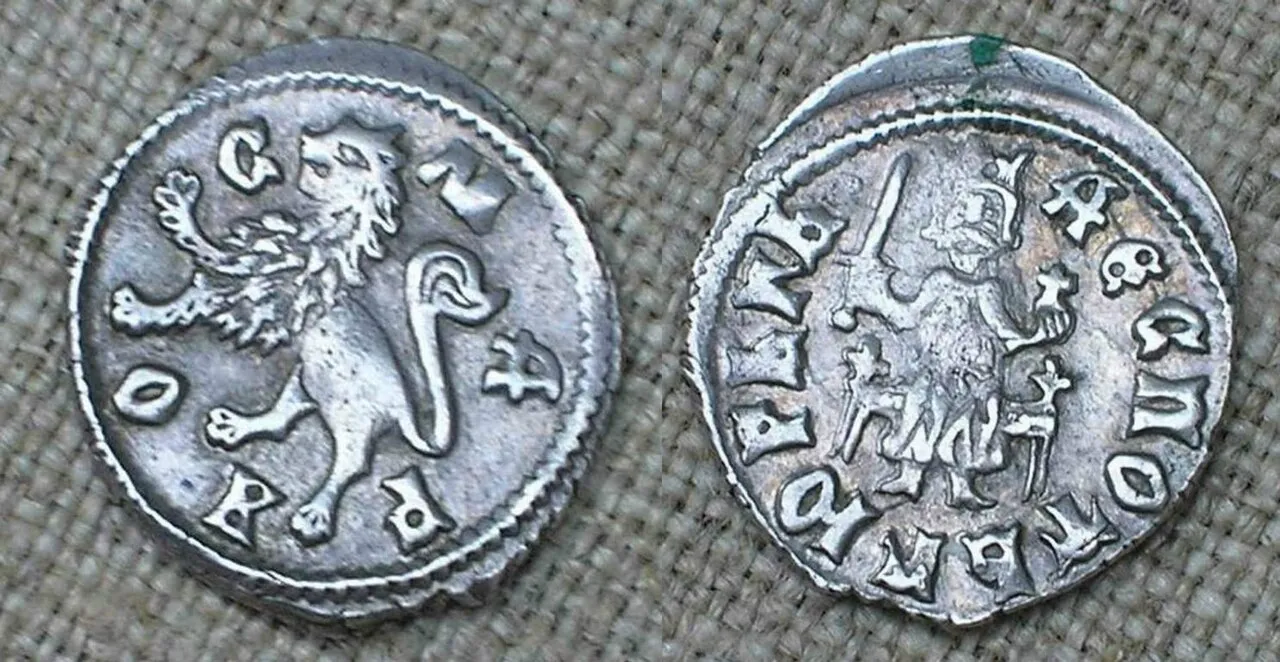 A silver coin of Despot Đurađ Branković struck at Smederevo, Museum of SmederevoWikimedia Commons, unknown author, CC BY-SA 3.0 (Srebrni novac despota Đurđa Brankovića.jpg)
Sources
- Laonikos Chalkokondyles, Histories (c. 1464).
- Michael Kritovoulos, History of Mehmed the Conqueror (about 1467).
- Aşıkpaşazade, Tevârîh-i Âl-i Osmân (late 15th century).
- Konstantin Mihailović, Memoirs of a Janissary (about 1500).
- János Thuróczy, Chronica Hungarorum (1488).
- Franz Babinger, Mehmed the Conqueror and His Time (1978).
- John V. A. Fine, The Late Medieval Balkans (1987).
- Momčilo Spremić, Despot Đurađ Branković i njegovo doba (1994).
- Pál Engel, The Realm of St Stephen: A History of Medieval Hungary, 895–1526 (2001).
Prev: The Morea revolt, 1453–1454Next: Novo Brdo, 1455