1471 – 1472
The Karaman coast, 1471–1472
Gedik Ahmed Pasha, now a vizier, takes Alanya (then Alaiye) on the Mediterranean coast in 1471. In 1472 he takes Silifke, Mokan and Kızkalesi (then Corycus) from the Karaman princes. Pope Sixtus IV spends more than 144,000 florins on a fleet to fight the Ottomans and to help Uzun Hasan, and in summer 1472 it gathers at Rhodes under Cardinal Oliviero Carafa: 87 galleys, 46 of them Venetian under Pietro Mocenigo, 24 papal and 17 Neapolitan, with 15 ships of the Knights and 8,000 men.
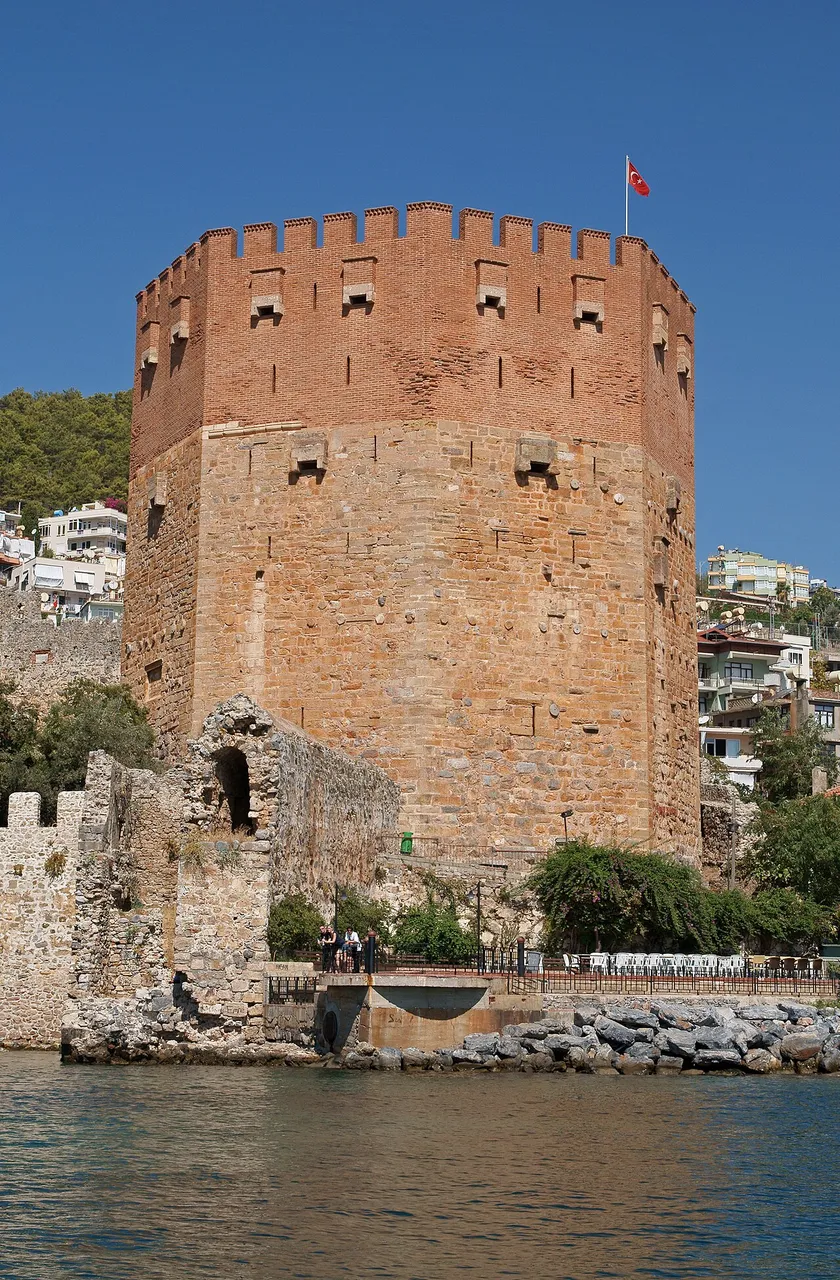 The Red Tower of Alanya, built in 1226Wikimedia Commons, kallerna, CC BY-SA 3.0 (Alanya Red Tower 2.jpg)
In August 1472 the fleet reaches Antalya. Early in the morning Vittore Soranzo’s ten galleys break the chain across the harbour, and the crews plunder the market and burn the warehouses by the quay. Stefano Malipiero leads the attack on the walls, but the ladders are too short, and in another account the attackers take the outer wall and find a second wall behind it. The fleet has no heavy guns, and the next day it withdraws after laying waste to the suburbs.
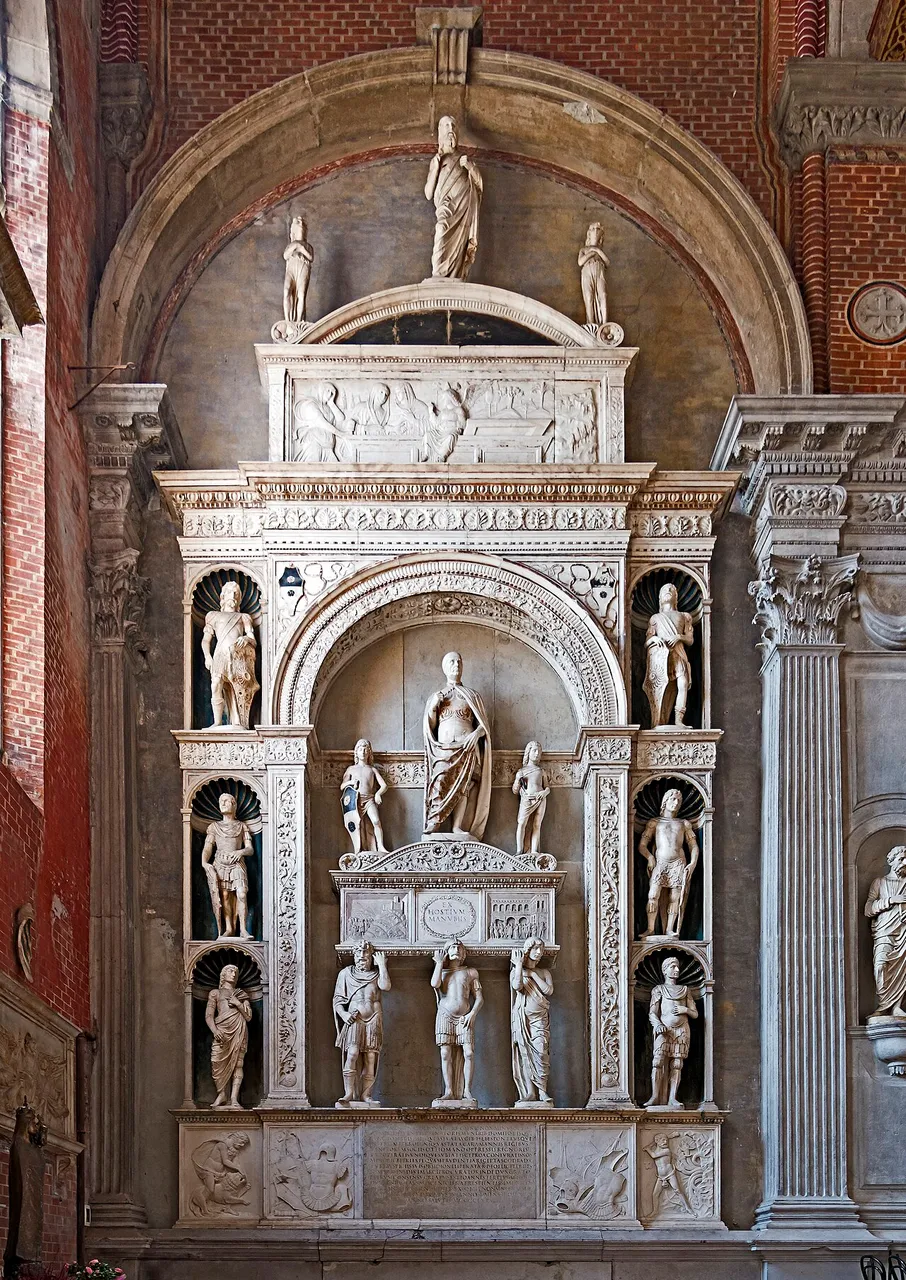 The tomb of Doge Pietro Mocenigo by Pietro Lombardo, 1476–1481, Santi Giovanni e Paolo, VeniceWikimedia Commons, Didier Descouens, CC BY-SA 4.0 (Interior of Santi Giovanni e Paolo (Venice) - Monumento del doge Pietro Mocenigo - Pietro Lombardo.jpg)
Mocenigo’s fleet then sails north and destroys İzmir (then Smyrna). With the help of the Venetian fleet, Kasım, a brother of Pir Ahmed, holds Silifke and the coast of Karaman for a while.
Sources
- Coriolano Cippico, Petri Mocenici imperatoris gestorum libri tres (1477).
- Mehmed Neşri, Kitâb-ı Cihan-nümâ (late 15th century).
- İsmail Hakkı Uzunçarşılı, Anadolu Beylikleri ve Akkoyunlu, Karakoyunlu Devletleri (1937).
- Franz Babinger, Mehmed the Conqueror and His Time (1978).
- Kenneth M. Setton, The Papacy and the Levant (1204–1571), vol. 2 (1978).
- Colin Imber, The Ottoman Empire, 1300–1481 (1990).
- Faruk Sümer, “Karamanoğulları”, in TDV İslâm Ansiklopedisi, vol. 24 (2001).
Prev: Negroponte, 1470Next: The White Sheep, 1466–1469