1463 – 1464
Jajce, 1463–1464
While Mehmed is in Bosnia in 1463, Ali Bey Mihaloğlu raids southern Hungary to draw off its forces. He is driven out of Syrmia, turns east and is beaten near Timișoara (Temesvár) by John Pongrácz, voivode of Transylvania. Matthias Corvinus makes peace with Emperor Frederick III on 19 July 1463 and turns south, and at Petrovaradin on 12 September he signs his alliance with Venice.
In autumn 1463 Matthias leads his army into northern Bosnia, takes more than 60 fortified places and the town of Jajce, and lays siege to its citadel. The Ottoman garrison surrenders on 16 December 1463, and about 400 of its men join the Hungarian army. Matthias makes northern Bosnia into two Hungarian frontier provinces, the banates of Jajce and Srebrenik, and Herceg Stjepan Vukčić Kosača accepts him as overlord.
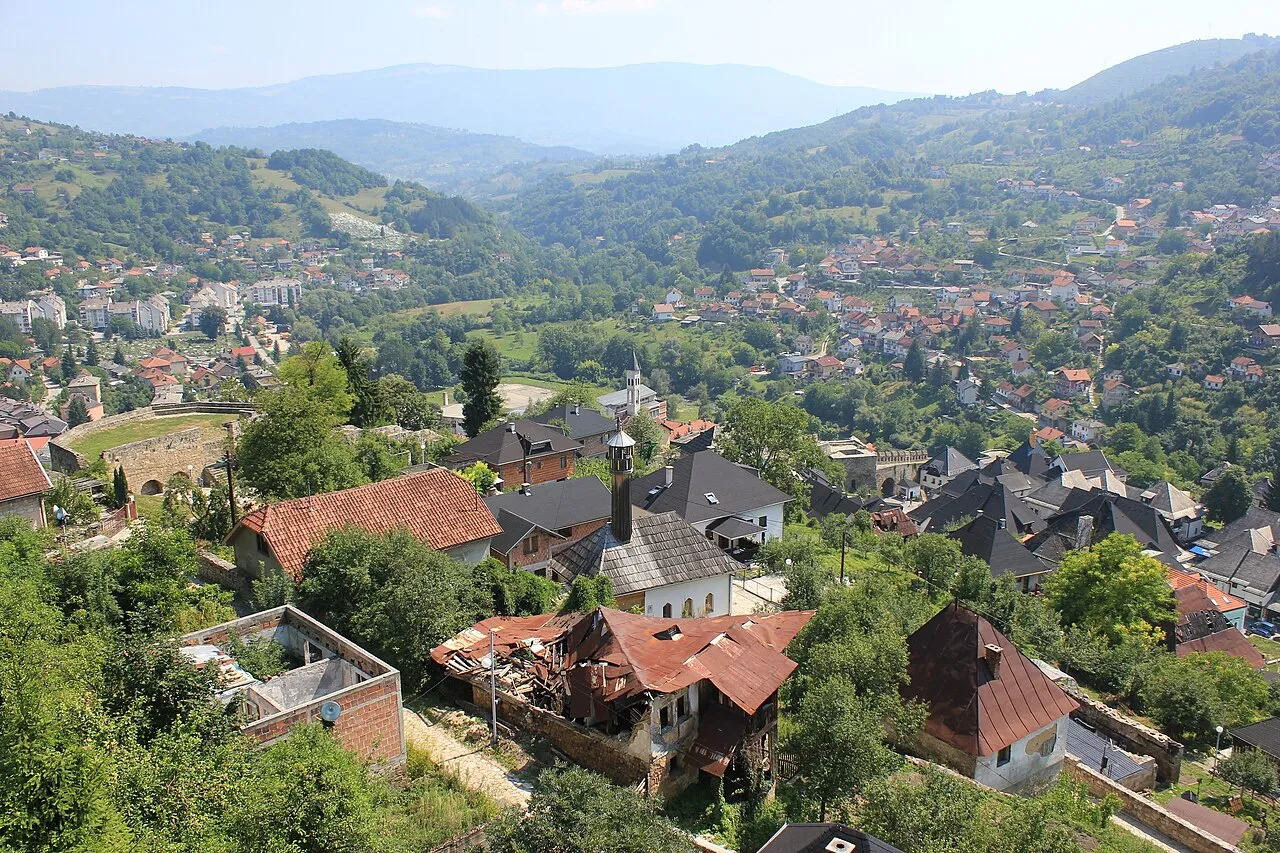 Jajce seen from its citadelWikimedia Commons, Julian Nyča, CC BY-SA 3.0 (Jajce – View from fortress 1.jpg)
In July 1464 Mehmed returns to Bosnia and lays siege to Jajce, but when Matthias gathers his army on the Sava, the sultan lifts the siege on 24 August. Matthias crosses the Sava, takes Srebrenica and lays siege to Zvornik, and he withdraws to Hungary when a large Ottoman army under Mahmud Pasha arrives. Pope Pius II, who has called a crusade and means to lead it in person, waits at Ancona for the fleet that is to carry it and dies there on 15 August 1464, and the crusade ends with his death.
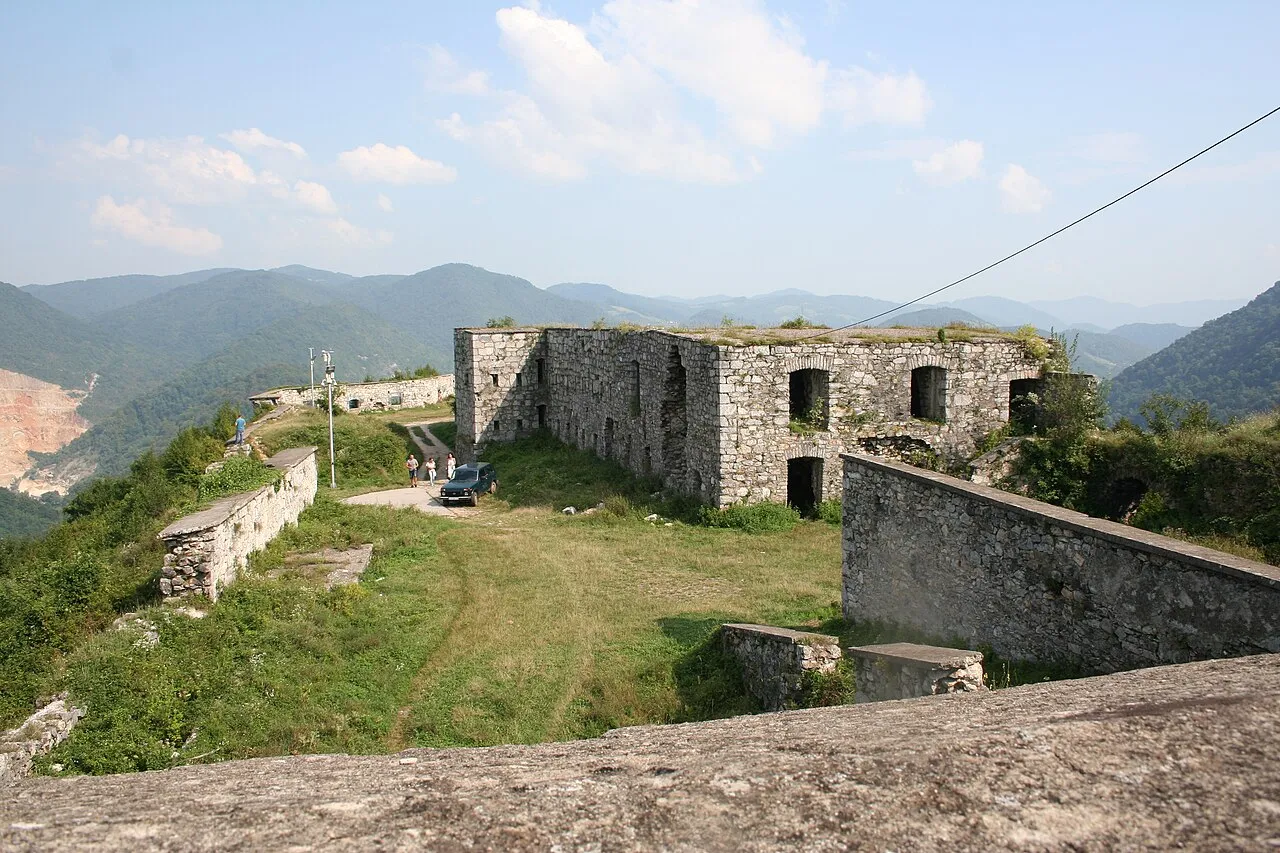 The fortress of Zvornik above the DrinaWikimedia Commons, Ванилица, CC BY-SA 4.0 (Kula grad Zvornik 210 (63).jpg)
Sources
- Pope Pius II, Commentaries (1464).
- János Thuróczy, Chronica Hungarorum (1488).
- Antonio Bonfini, Rerum Ungaricarum decades (about 1497).
- Franz Babinger, Mehmed the Conqueror and His Time (1978).
- Kenneth M. Setton, The Papacy and the Levant (1204–1571), vol. 2 (1978).
- John V. A. Fine, The Late Medieval Balkans (1987).
- Pál Engel, The Realm of St Stephen: A History of Medieval Hungary, 895–1526 (2001).
Prev: War with Venice, 1462–1465Next: Herzegovina, 1463–1466