Summer 1479 – November 1480
Breadfield, 1479
In 1479, after the peace with Venice, an Ottoman army made up mostly of akıncı gathers at Smederevo, and King Matthias orders Stephen Báthory, the voivode of Transylvania, and Pál Kinizsi to raise troops. On 9 October 1479 Ali Bey Mihaloğlu, the bey of Smederevo, leads the Ottomans into Transylvania near Câlnic, with 1,000 to 2,000 Wallachian foot soldiers of Basarab the Younger. They plunder villages and market towns, carry off Hungarians, Saxons and Vlachs and burn Orăștie (Szászváros). Báthory gathers his troops at Sibiu, and Kinizsi sets out from Timișoara to join him.
On 13 October the Ottomans camp with their booty on the Breadfield (Kenyérmező) by the Mureș, and Báthory attacks in the afternoon with 12,000 to 15,000 Hungarians, Székelys, Saxons, Serbs and Vlachs. Báthory falls from his horse and is nearly captured, and the Ottomans have the better of the first fighting. Kinizsi then charges with the heavy cavalry and 900 Serbs under Dmitar Jakšić, drives back Ali Bey’s wing and breaks the Ottoman centre, and most of the Ottomans who escape are killed in the mountains. Several thousand Ottomans die, 30,000 by the Hungarian count, and the Hungarians lose about 3,000 men.
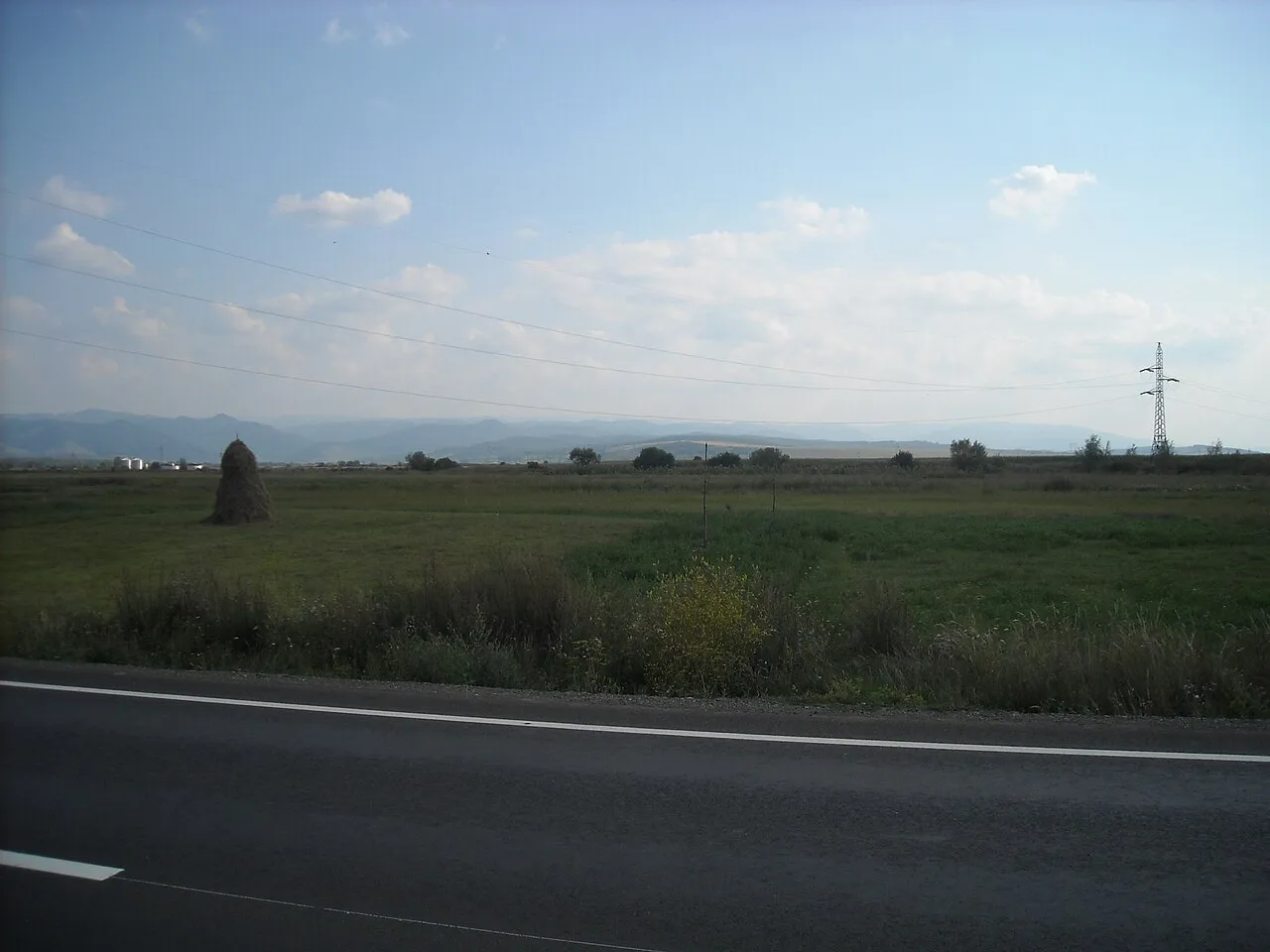 The Breadfield (Câmpul Pâinii) by the MureșWikimedia Commons, Oguszt, CC BY-SA 3.0 (Kenyermezo.jpg)
Matthias then puts all the forts on the Danube west of Belgrade under Kinizsi, who raids Serbia in 1480 and beats Ali Bey several times. In 1480 Stephen of Moldavia invades Wallachia with Hungarian troops and puts one Mircea on its throne until Basarab the Younger returns with Ottoman help. In November 1480 Matthias leads a campaign into Bosnia as far as Sarajevo.
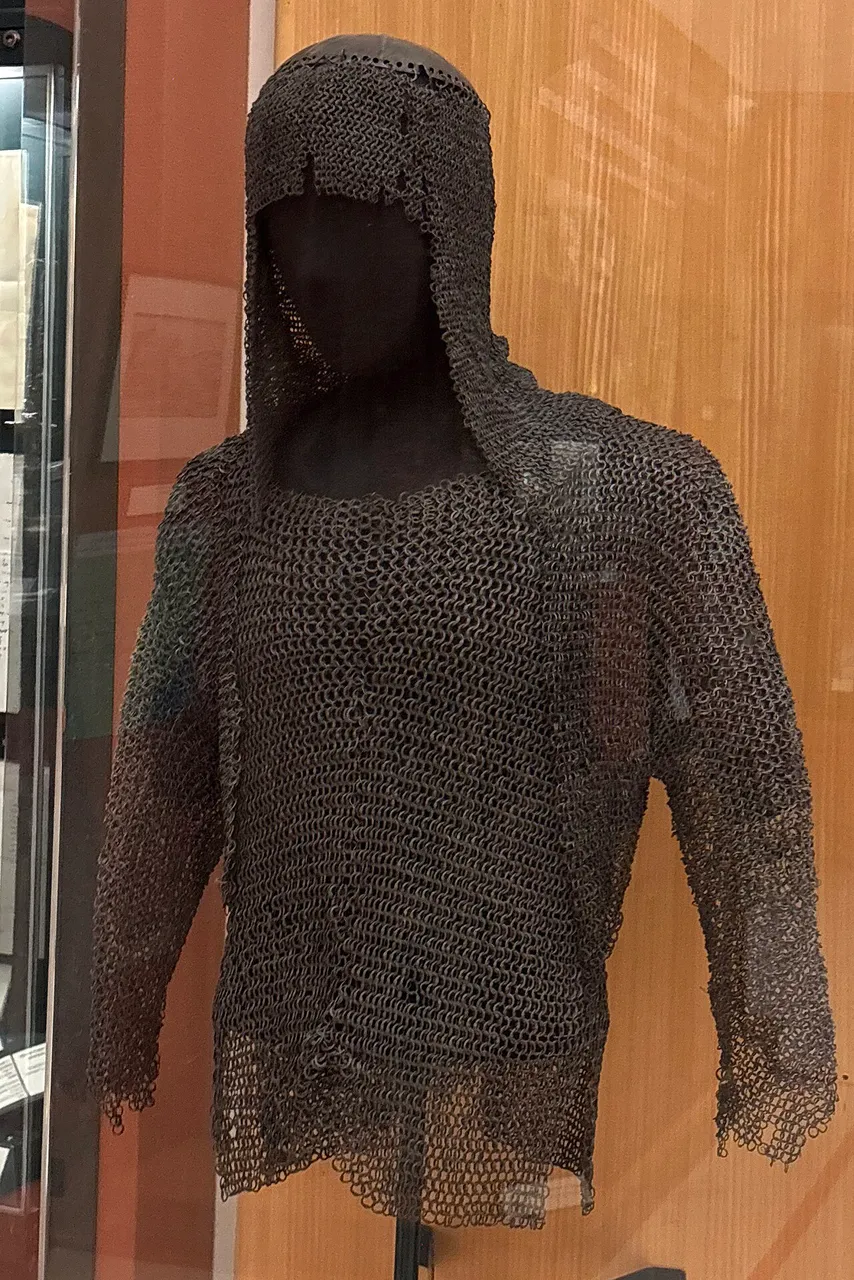 Pál Kinizsi’s mail shirt and coif from his grave at Nagyvázsony, 15th centuryWikimedia Commons, OrionNimrod, CC0 (Kinizsi Pál hadvezér sodronyinge, sodronyos vassapkája (nagyvázsonyi sírlelet, 15. század második fele).jpg)
Sources
- Jan Długosz, Annales seu cronicae incliti regni Poloniae (about 1480).
- Antonio Bonfini, Rerum Ungaricarum decades (about 1497).
- Franz Babinger, Mehmed the Conqueror and His Time (1978).
- Pál Engel, The Realm of St Stephen: A History of Medieval Hungary, 895–1526 (2001).
- Ferenc Szakály, “Phases of Turco-Hungarian Warfare before the Battle of Mohács (1365–1526)”, Acta Orientalia Academiae Scientiarum Hungaricae 33 (1979).
Prev: The sultan’s courtNext: Rhodes, 1480