August 1456 – January 1458
After Belgrade, 1456–1458
Plague breaks out in the crusader camp. Hunyadi dies of it at Zemun on 11 August 1456, and Capistrano dies at Ilok on 23 October. King Ladislaus V makes his mother’s cousin, Count Ulrich of Celje, captain general of Hungary, and the two demand from Hunyadi’s elder son Ladislaus the royal castles that his father held. Ladislaus Hunyadi lets them into Belgrade, and on 9 November 1456 his men kill Ulrich there. The king has to pardon Ladislaus Hunyadi and make him captain general. Mehmed blames Zaganos Pasha for the defeat and sends him away to Balıkesir. Mahmud Pasha, who has fought well at Belgrade, becomes grand vizier.
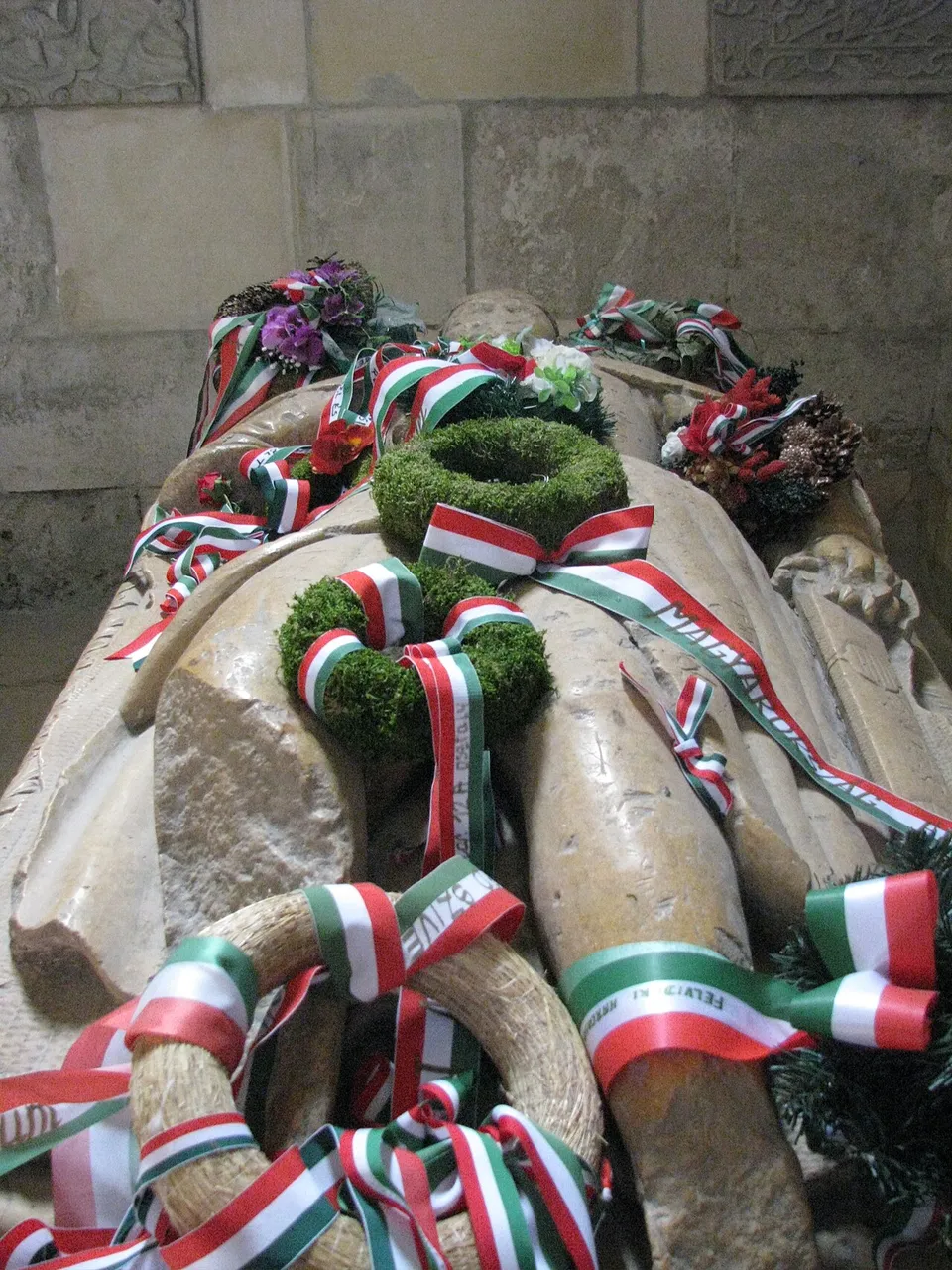 John Hunyadi’s tomb in St Michael’s Cathedral, Alba IuliaWikimedia Commons, Codrinb, CC BY-SA 3.0 ro (Alba Iulia 2011 - Roman Catholic Cathedral - Tomb of John Hunyadi.jpg)
Despot Đurađ Branković dies on 24 December 1456. His son Lazar, at Smederevo, makes a treaty with Mehmed on 15 January 1457 that gives him back most of his father’s lands. In Hungary the king has Ladislaus Hunyadi beheaded at Buda in March 1457 and takes his younger brother Matthias to Prague. King Ladislaus dies there on 23 November 1457. Michael Szilágyi comes to the diet with 15,000 men, and on 24 January 1458 the nobles gathered on the frozen Danube at Pest proclaim the 14-year-old Matthias king.
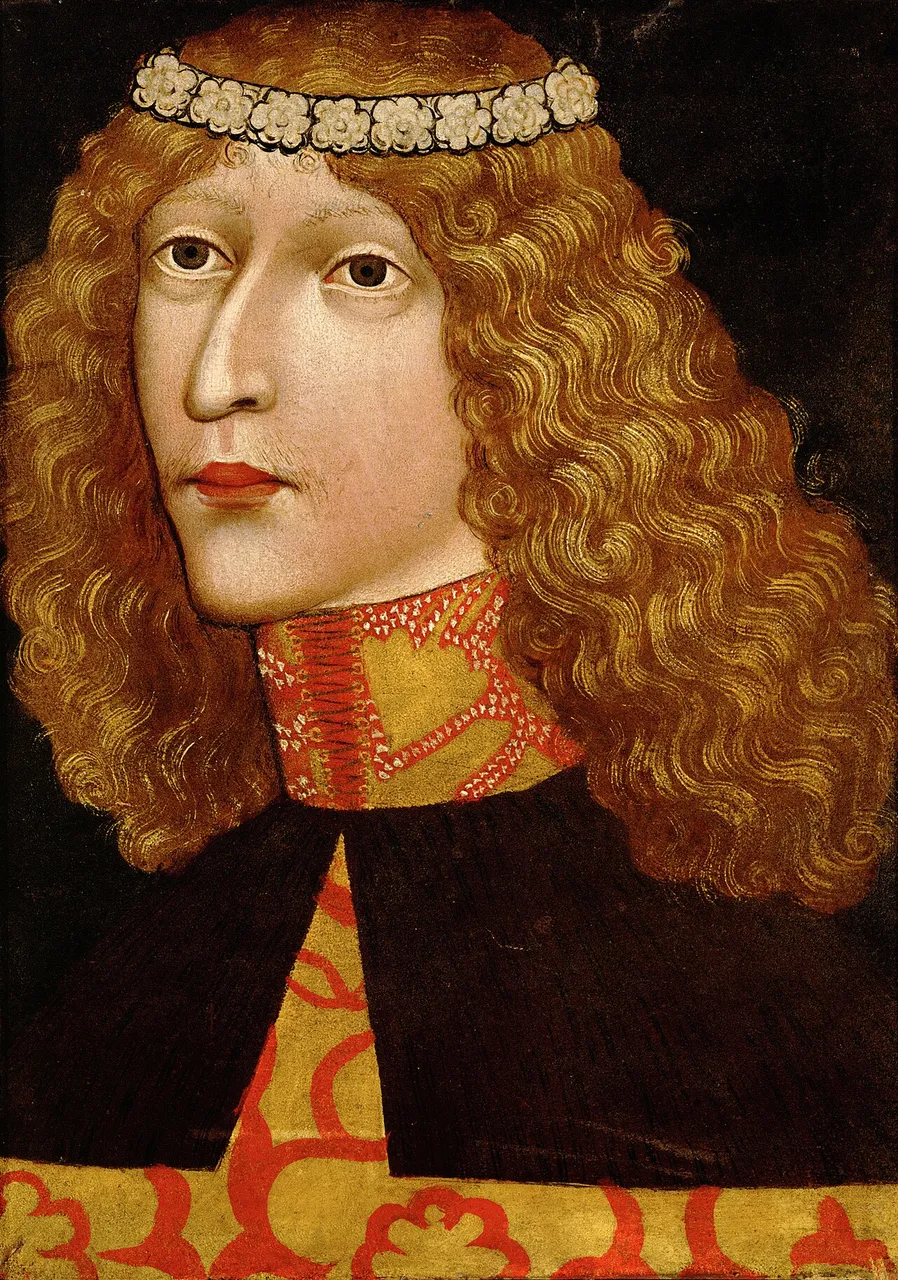 Ladislaus V, king of Hungary and Bohemia, in a portrait of about 1457Wikimedia Commons, unknown Austrian painter, Public domain (Anonymous - Ladislaus the Postumous.jpg)
Before the siege Hunyadi backed Vlad, a son of Vlad Dracul, against Vladislav II of Wallachia. Vlad invades Wallachia with Hungarian help in 1456, in April, July or August by different accounts, and Vladislav dies in the fighting. As Vlad III he rules from Târgoviște and sends the sultan his tribute. In spring 1457 his cousin Stephen marches into Moldavia with 6,000 men and Vlad’s help, drives out Peter Aaron and becomes voivode on 14 April 1457. He rules from Suceava.
Sources
- János Thuróczy, Chronica Hungarorum (1488).
- Laonikos Chalkokondyles, Histories (c. 1464).
- Franz Babinger, Mehmed the Conqueror and His Time (1978).
- Pál Engel, The Realm of St Stephen: A History of Medieval Hungary, 895–1526 (2001).
- John V. A. Fine, The Late Medieval Balkans (1987).
- Momčilo Spremić, Despot Đurađ Branković i njegovo doba (1994).
- Kurt W. Treptow, Vlad III Dracula: The Life and Times of the Historical Dracula (2000).
- Kenneth M. Setton, The Papacy and the Levant (1204–1571), vol. 2 (1978).
Prev: The sortie of 22 JulyNext: Skanderbeg and Aragon, 1451–1453