29 May 1453 – April 1454
After the fall, 1453–1454
The Genoese colony of Galata, across the Golden Horn, has stayed neutral through the siege, and after the fall of the city it surrenders. In the account of Doukas its people bring the keys to Mehmed. Chalkokondyles writes that the podestà hands them to Zaganos Pasha before the Ottoman fleet arrives. On 1 June 1453 Mehmed gives Galata a charter that lets its people keep their houses, their churches and their trade.
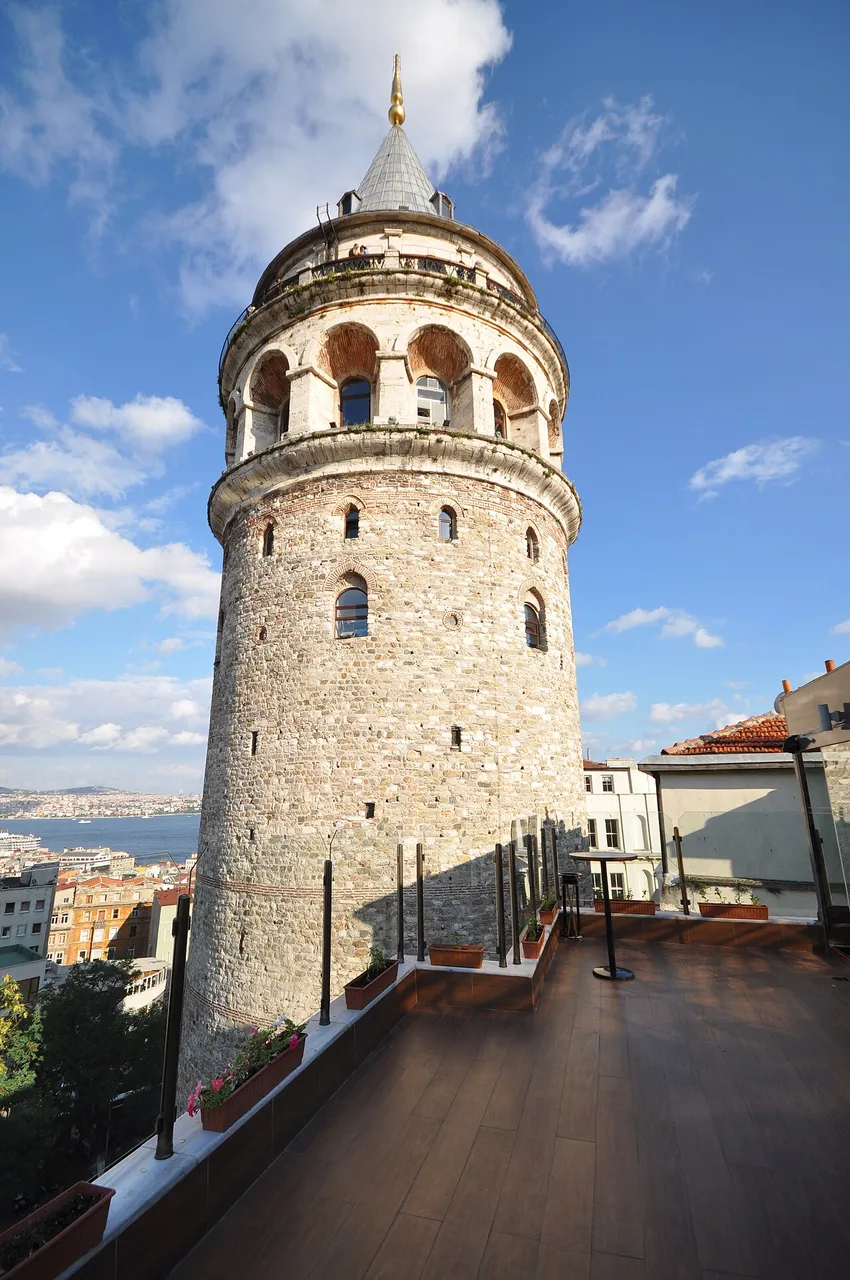 The Galata Tower, built by the Genoese in 1348Wikimedia Commons, Jorge Láscar, CC BY 2.0 (Galata Tower (67m.) (8396776708).jpg)
Mehmed has his grand vizier Çandarlı Halil Pasha, who opposed the siege from the start, arrested on 1 June and executed on 10 July 1453. Zaganos Pasha becomes grand vizier in his place. Loukas Notaras, the last chief minister of the empire, is taken prisoner and at first spared, but on 3 June he is executed with his son and his son-in-law. Mehmed makes Constantinople his capital in place of Edirne.
The monk Gennadios Scholarios, one of the leaders of those who opposed the union of the churches, becomes patriarch of the Orthodox Church on 6 January 1454. The Gattilusi of Mytilene keep Lesbos, Enez (Ainos) and their other islands under the sultan, and in April 1454 Venice makes peace with Mehmed and keeps its trade in the city. Of the Byzantine lands only the Morea remains, held by Constantine’s brothers Thomas and Demetrios, who pay tribute to the sultan.
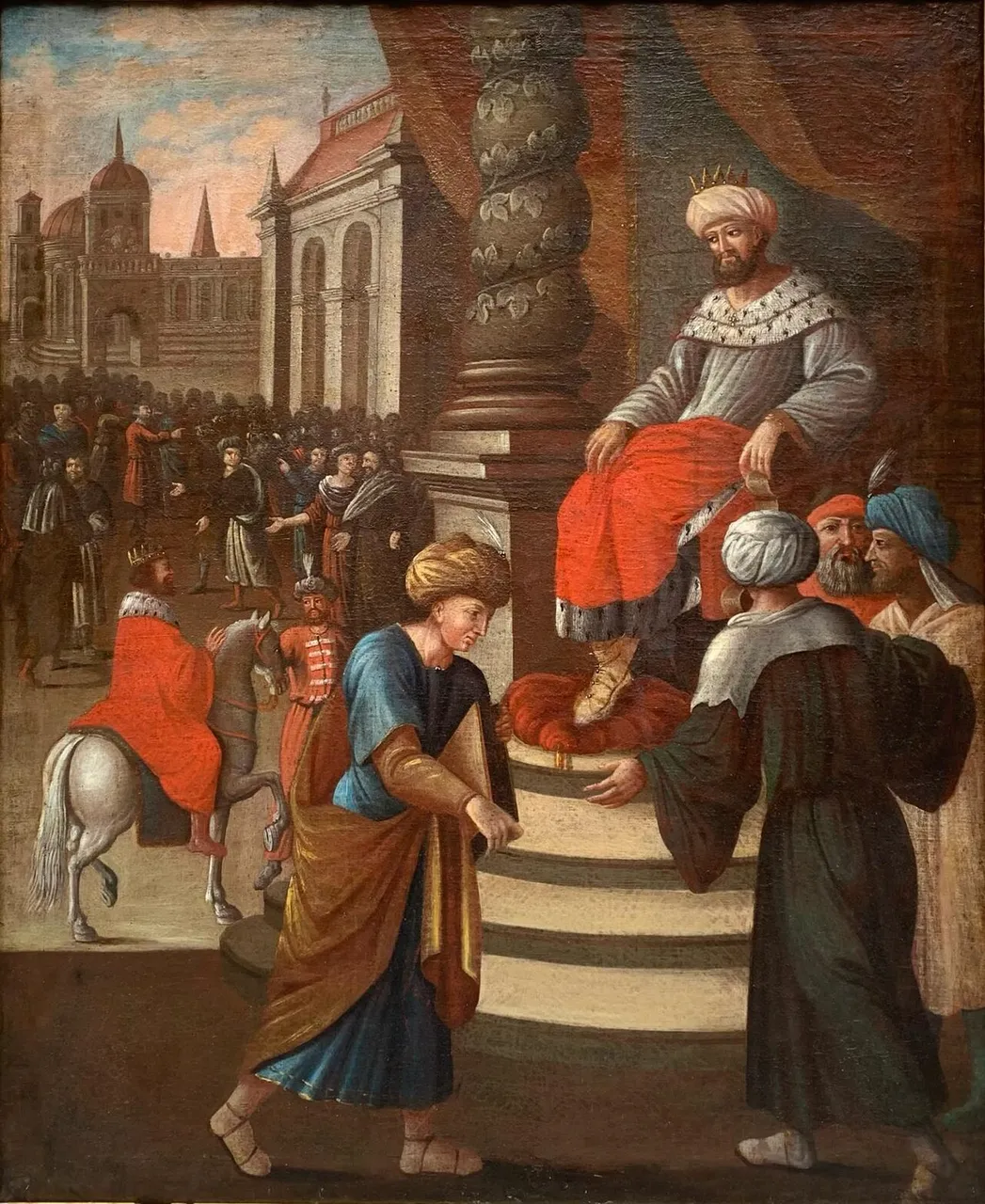 Mehmed II and the patriarch Gennadios Scholarios, an 18th-century paintingWikimedia Commons, unknown painter, CC0 (Gennadios Mehmed II.jpg)
Sources
- Doukas, Historia Turco-Byzantina (about 1462).
- Michael Kritovoulos, History of Mehmed the Conqueror (about 1467).
- Laonikos Chalkokondyles, Histories (c. 1464).
- George Sphrantzes, Chronicon minus (about 1477).
- Tursun Beg, Tarih-i Ebü’l-Feth (about 1490).
- Steven Runciman, The Fall of Constantinople 1453 (1965).
- Franz Babinger, Mehmed the Conqueror and His Time (1978).
- Halil İnalcık, Fatih Devri Üzerinde Tetkikler ve Vesikalar I (1954).
Prev: The fall of the cityNext: The Morea revolt, 1453–1454