11 June 1542
The attack on Mérida
The Cocom of Sotuta are old enemies of the Xiu of Maní. In 1536, while the Spanish are away from Yucatán, Nachi Cocom, lord of Sotuta, grants a Xiu embassy passage to the sacred cenote of Chichen Itza and has its members killed at Otzmal. After the Spanish occupy T'ho he has the envoys sent to him in peace sacrificed, and the Cocom and the Cupul gather an army against the new town.
On 11 June 1542, the feast of Saint Barnabas, the Maya attack Mérida. The bachiller Valencia, who writes an account of the conquest in 1639, gives 40,000 warriors. Montejo the Younger’s Spanish and their Xiu allies hold the town. Losses are heavy and the Maya withdraw. López de Cogolludo, following Valencia, places the battle in June 1541, before the founding of Mérida.
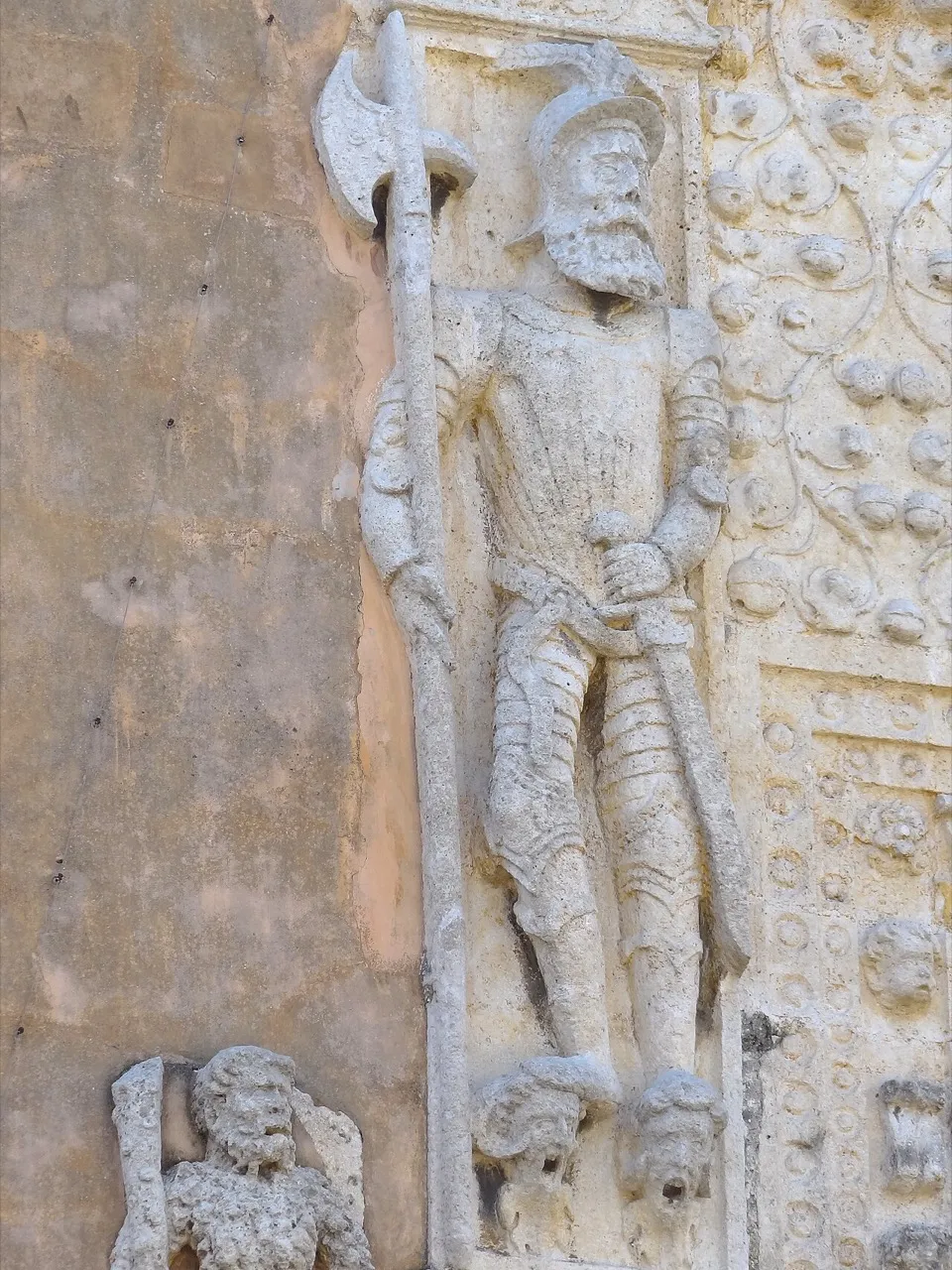 A Spanish soldier in armour with a halberd, standing on two heads, on the portal of the Casa de Montejo in MéridaWikimedia Commons, Adam Jones, Ph.D., CC BY-SA 3.0 (Relief Showing Conquistador Stamping on Mayan Heads - Facade of Casa de Montejo - 16th Century Mansion - Merida - Mexico.jpg)
Nachi Cocom survives the battle. Montejo the Younger then marches into Sotuta and beats him in a short campaign. Nachi Cocom is baptised as Juan Cocom, swears loyalty to the King of Castile and keeps his life and his rank among his people. The Maya rise again in places but no longer threaten Mérida.
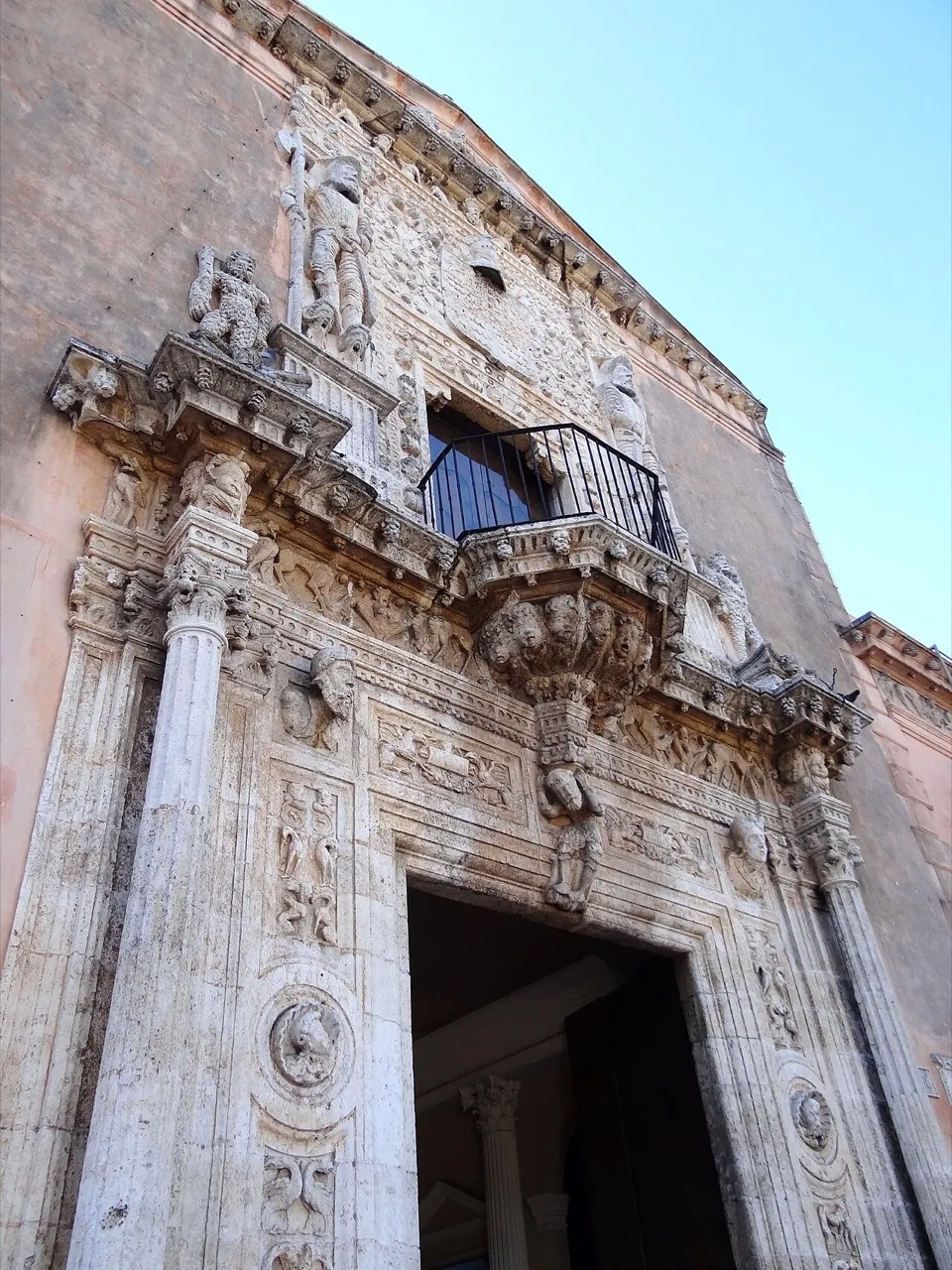 The portal of the Casa de Montejo on the main square of Mérida, the house of Francisco de Montejo the Younger, finished in 1549Wikimedia Commons, Adam Jones, Ph.D., CC BY-SA 3.0 (Facade of Casa de Montejo - 16th Century Mansion - Merida - Mexico - 01.jpg)
Sources
- Diego López de Cogolludo, Historia de Yucatán (1688), book 3, ch. 6 and 7.
- Eligio Ancona, Historia de Yucatán (1878), pp. 330 to 333.
- Robert S. Chamberlain, The Conquest and Colonization of Yucatan, 1517 – 1550 (1948), ch. 12.
Prev: Mérida on the ruins of T'hoNext: The great Maya revolt