August – December 1420
South Bohemia, 1420
Žižka leaves Prague with the Taborites on 22 August 1420 and turns on the estates of Oldřich II of Rožmberk, the greatest lord of South Bohemia and the head of the Catholic party there. He takes Vodňany, takes Lomnice nad Lužnicí together with Oldřich Vavák of Hradec, and lays waste Nová Bystřice. On 12 October he beats the lords of the Plzeň region under Oldřich at Panský Bor near Horažďovice.
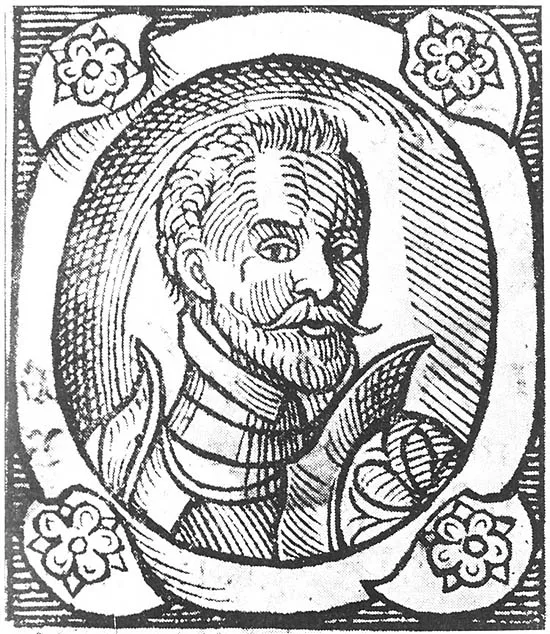 Oldřich II of Rožmberk, the greatest lord of South Bohemia, in a later woodcut portraitWikimedia Commons, unknown author, Public domain (Oldřich II. z Rožmberka.jpg)
Žižka first takes Prachatice, a German town on the salt road to Passau, on 25 April 1420. In September its Catholic burghers come back and burn two or three of the Hussites. On 12 November Žižka returns, and when the town refuses to surrender on terms, he storms it. By Laurence of Březová, 135 men are killed in the streets and 85 are shut in the sacristy of St James’s church and burned, and the women and children are sent away.
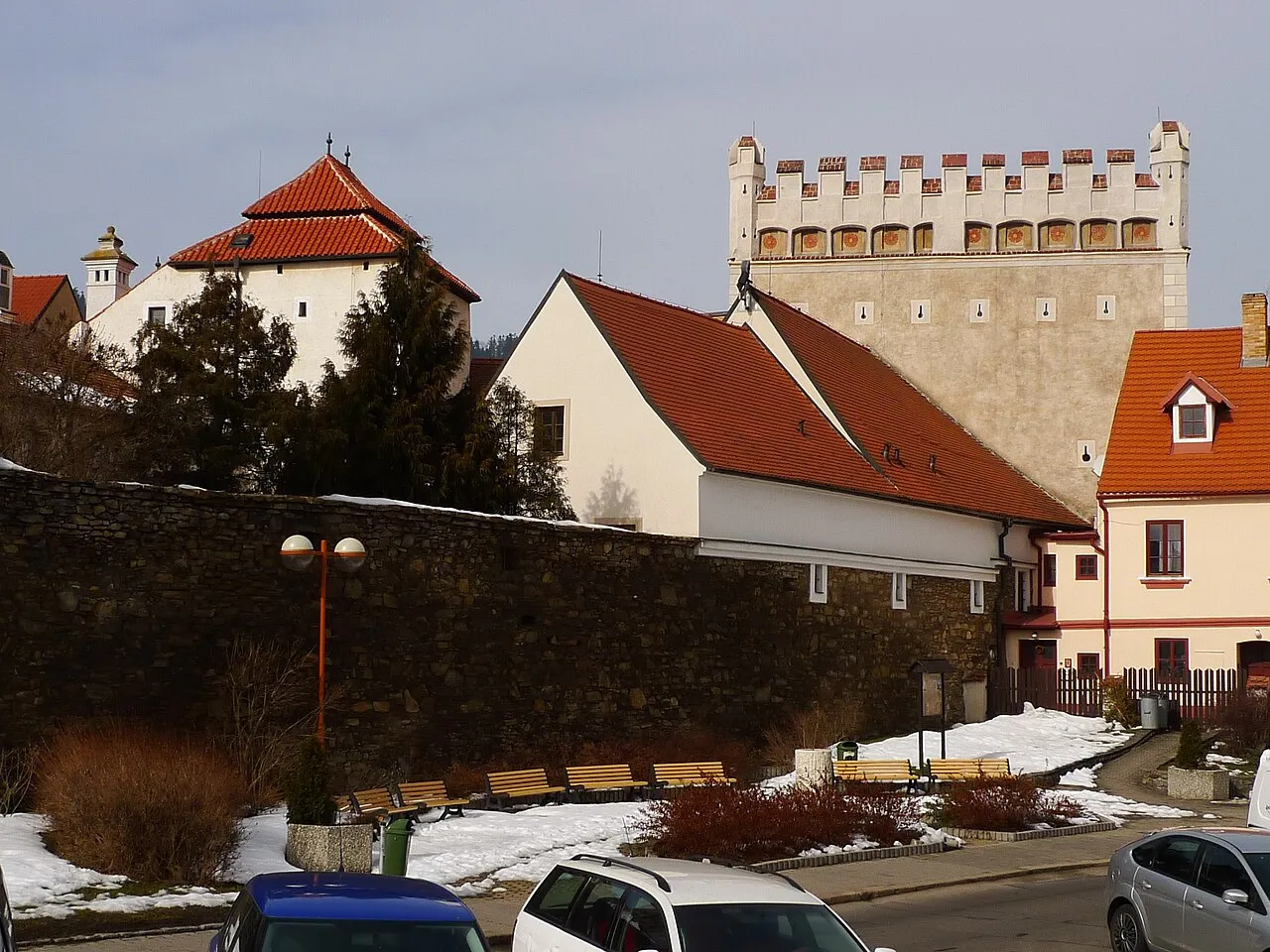 The Lower or Písek Gate in the walls of PrachaticeWikimedia Commons, H2k4, CC BY-SA 3.0 (Prachatice, městské opevnění - Písecká (Dolní) brána.JPG)
In September 1420 the Taborite priests elect Mikuláš of Pelhřimov as their bishop. On 18 November, at Písek, Žižka agrees a truce with Oldřich of Rožmberk, and the Rožmberk castles of Příběnice and Příběničky near Tábor pass to the Taborites. Nicholas of Hus, one of the four captains of Tábor, dies in December after a fall from his horse, and Žižka becomes the leader of the Taborites.
Sources
- Frederick G. Heymann, John Žižka and the Hussite Revolution (1955).
- František Šmahel, Die Hussitische Revolution (2002).
- Vavřinec z Březové, Husitská kronika, tr. František Heřmanský (1979).
Prev: Vyšehrad, 1 November 1420Next: The western towns, 1421