1410–1414
Indulgences and exile, 1410–1414
Pope Alexander V orders the Wycliffite books surrendered and preaching in private chapels stopped, and on 16 July 1410 Archbishop Zbyněk has the surrendered books of Wycliffe burned, works on philosophy and mathematics among them. Two days later he excommunicates Hus, who goes on preaching in the Bethlehem Chapel. In February 1411 the papal curia excommunicates Hus again for failing to appear before it, and Zbyněk dies that September.
In 1412 Pope John XXIII grants indulgences to all who fight or pay for his crusade against King Ladislaus of Naples. Hus calls their sale simony and disputes the bull at the university on 17 June, and his followers burn papal bulls in public. Soon after, three young men who protest against the indulgences are beheaded in the Old Town, although Hus pleads for them at the town hall.
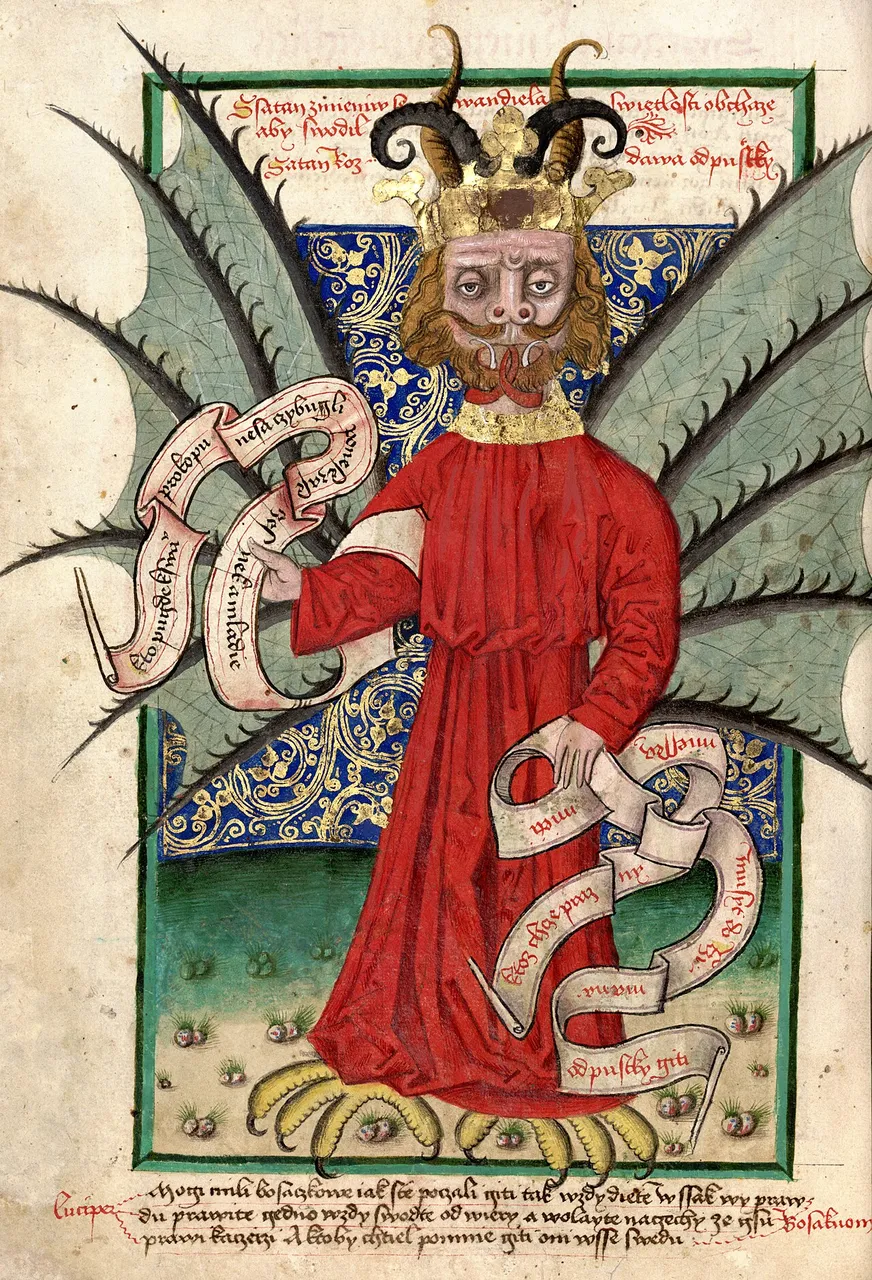 The devil sells indulgences, from the Jena Codex, about 1490–1510Wikimedia Commons, attributed to Janíček Zmilelý of Písek, Public domain (Jensky kodex satan prodava odpustky.jpg)
In October 1412 the pope lays an interdict on any place where Hus stays, and he leaves Prague for the countryside. From April 1413 he lives at Kozí Hrádek and then at Sezimovo Ústí in South Bohemia, preaches in the villages, fields and woods and writes his book On the Church. In July 1414 he moves to Krakovec castle west of Prague, the seat of Jindřich Lefl of Lažany.
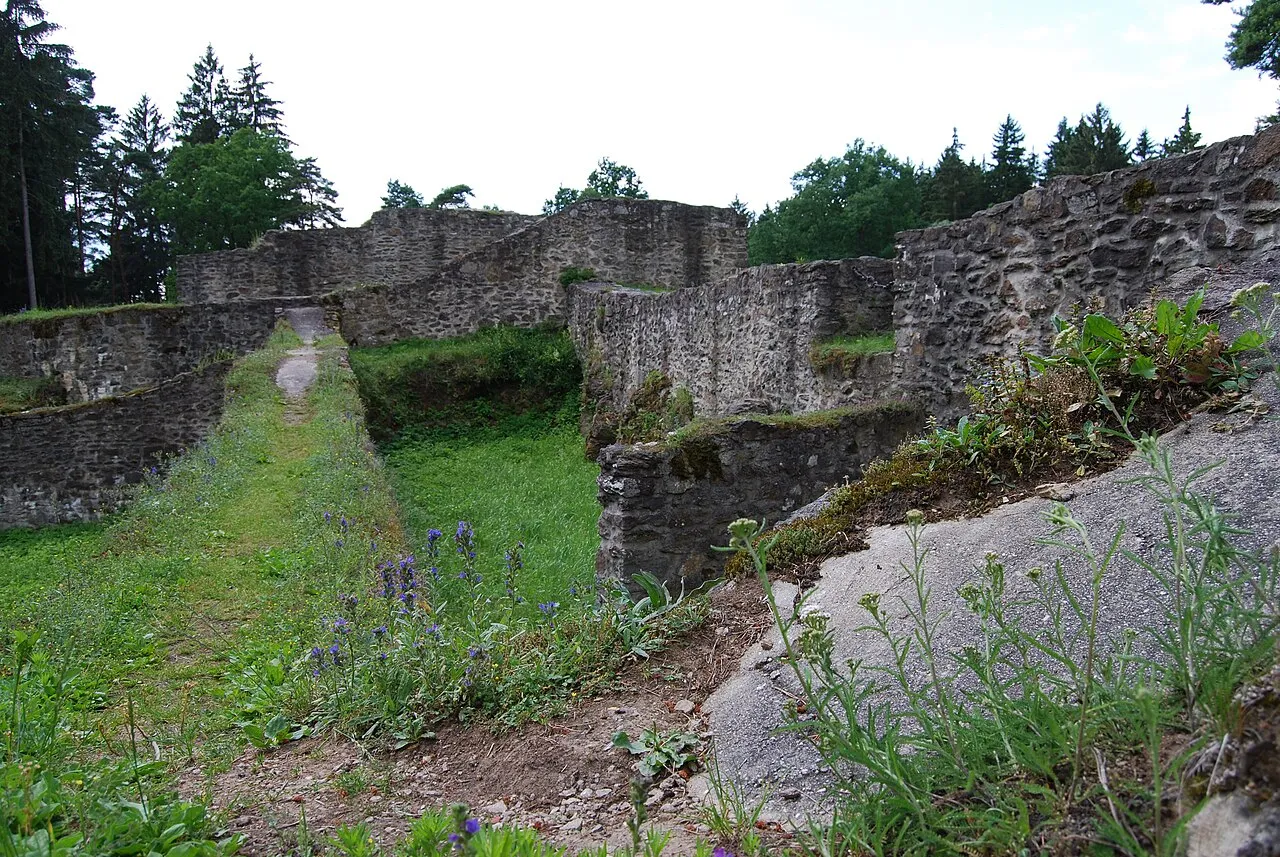 The ruins of Kozí Hrádek near Sezimovo Ústí, where Hus lives from 1412 to 1414Wikimedia Commons, Richenza, CC BY-SA 3.0 (Kozí Hrádek 163.jpg)
Sources
- Thomas A. Fudge, Jan Hus: Religious Reform and Social Revolution in Bohemia (2010).
- Matthew Spinka, John Hus: A Biography (1968).
- Howard Kaminsky, A History of the Hussite Revolution (1967).
Prev: Hus and the Bethlehem Chapel, 1402–1409Next: Constance, 1414–1416